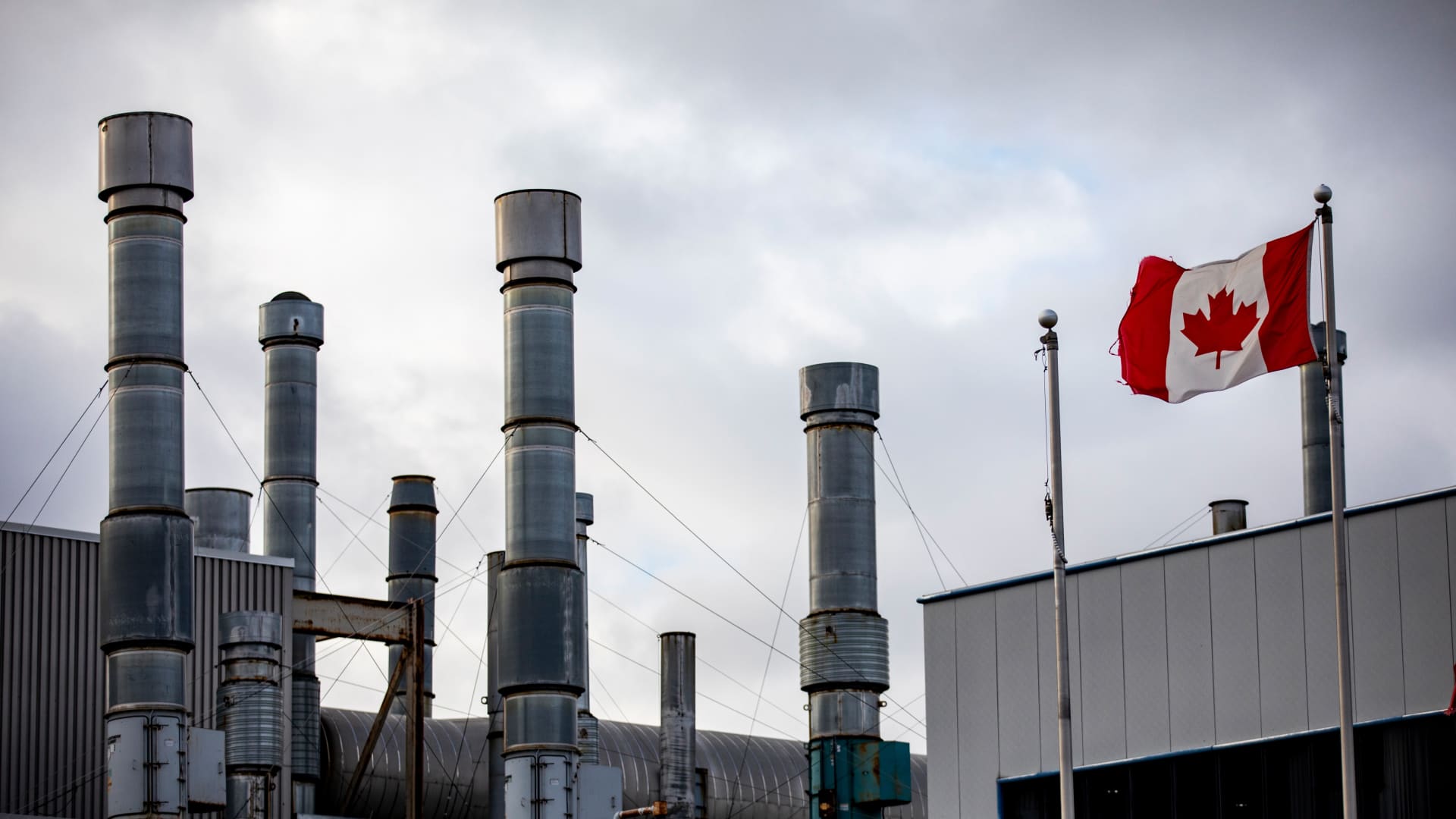
Auto Industry’s Unexpected Fortitude Amidst U.S. Tariff Turmoil
Despite sweeping new U.S. tariffs targeting Chinese electric vehicles and automotive components, North America’s auto industry has demonstrated surprising resilience. While the Biden administration’s 100% tariffs on Chinese EVs and 25% levies on batteries took effect in May 2024, Canada and Mexico’s exemption has provided crucial breathing room for manufacturers. This temporary reprieve has allowed automakers to recalibrate supply chains while sparking debates about long-term trade dynamics in the region.
Tariff Impact Falls Short of Predictions
Industry analysts had forecast immediate disruptions when the U.S. announced its toughest-ever tariffs on Chinese auto imports. However, recent data from the Automotive Policy Council reveals:
- North American vehicle production dipped only 2.3% in Q2 2024
- Automotive employment grew by 18,000 jobs in border states
- Mexico’s auto exports to the U.S. surged 11% month-over-month
“The exemptions created an unexpected safety valve,” explains Dr. Elena Marquez, trade policy fellow at the Center for Automotive Research. “Manufacturers quickly shifted sourcing to existing USMCA partners rather than absorbing the full brunt of Chinese supply chain disruptions.”
Supply Chain Realignment Accelerates
Automakers have leveraged the tariff exemptions to fast-track regional supply networks. Ford and GM report accelerating investments in Mexican battery plants, while Stellantis has expanded Canadian rare earth mineral processing facilities. This strategic pivot builds on existing trends:
“We’ve been diversifying away from China since the pandemic,” says James O’Connell, VP of Global Procurement at a major Detroit automaker. “These tariffs just put the pedal to the metal on changes already underway.”
The shift comes with challenges. Mexican industrial parks face capacity constraints, and Canadian labor costs remain higher than Asian alternatives. Still, the regional approach offers advantages:
- Average shipping times reduced from 45 to 8 days
- USMCA compliance ensures tariff-free access
- Smaller carbon footprint aligns with ESG goals
Political and Economic Ramifications
The tariff exemptions have ignited political debates on both sides of the border. While U.S. labor unions applaud restrictions on Chinese imports, some lawmakers question why domestic producers face competition from tariff-free Mexican factories.
Divergent Perspectives on Trade Policy
Labor advocates argue the exemptions undermine tariff objectives. “We’re just shifting dependence from Beijing to Mexico City,” contends United Auto Workers president Rebecca Chen. “Without strong wage protections, this becomes a backdoor for cheap labor.”
Conversely, free trade proponents highlight the economic benefits. A joint study by Mexican and Canadian trade associations projects:
- $7.2 billion in new North American automotive investment by 2026
- 35,000 indirect jobs created in supporting industries
- 15% reduction in consumer vehicle prices compared to EU tariffs
This complex landscape leaves automakers walking a tightrope. “We support fair trade but need predictable rules,” explains Toyota North America CEO Mark Foster. “The current patchwork creates uncertainty that ultimately hurts competitiveness.”
The Road Ahead for North American Auto Manufacturing
As the industry adapts, several key developments will shape its trajectory:
Technological Innovation as a Buffer
Automakers are investing heavily in automation to offset regional cost differences. BMW’s new San Luis Potosí plant operates with 60% robotics, while Tesla’s Austin factory has achieved 70% vertical integration for Model Y production.
USMCA Renegotiation Looms
With the trade agreement up for review in 2026, tariff exemptions may become bargaining chips. Early proposals suggest:
- Tighter regional content requirements (potentially 75% from current 62.5%)
- New labor value content rules for EV batteries
- Climate cooperation provisions
“This isn’t just about tariffs anymore,” notes Georgetown trade professor Alicia Dumont. “We’re seeing the emergence of a comprehensive North American industrial policy.”
Future Outlook and Strategic Considerations
The auto industry’s resilience demonstrates the complex interplay between trade policy and manufacturing realities. While tariffs achieved their immediate goal of restricting Chinese imports, the exemptions created unintended opportunities for regional integration.
Looking forward, three scenarios appear most likely:
- Status Quo Plus: Tariffs remain with permanent exemptions, fostering deeper North American supply chains
- Escalation: Expanded tariffs include Mexican/Korean components, triggering trade disputes
- Innovation Breakthrough: Domestic battery tech reduces reliance on all imports
For industry stakeholders, the path forward requires careful navigation. “Diversification remains key,” advises Boston Consulting Group’s auto practice lead. “The winners will balance regional security with global competitiveness.”
As the situation evolves, businesses should monitor USMCA negotiations and consider joining policy dialogues. The Automotive Trade Policy Council offers regular briefings for companies seeking to shape the debate. One thing remains clear: in an era of economic nationalism, flexibility proves as valuable as fortitude.
See more CCTV News Daily