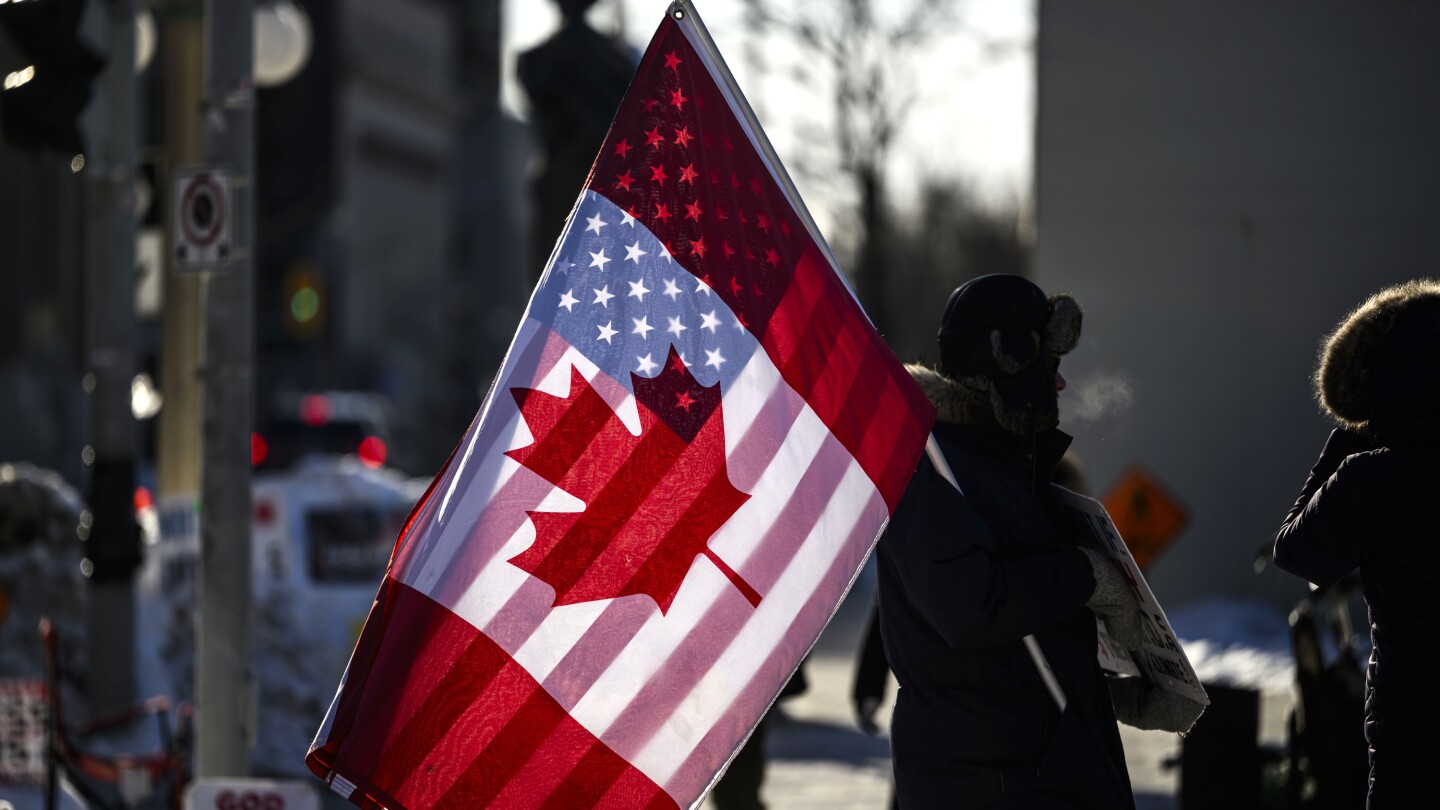
As President Trump’s tariff commitments take shape, the potential repercussions for the American economy and consumers are becoming clearer. Tariffs, taxes imposed on imported goods, are a critical tool in international trade policy, aiming to protect domestic industries from foreign competition. However, the implications of such policies can ripple through the economy, affecting everything from prices at the grocery store to job availability in various sectors. This article explores the implications of these policies and what they mean for everyday Americans.
The Rationale Behind Trump’s Tariff Commitments
Trump’s administration has long championed the idea that tariffs can help revitalize American manufacturing. By imposing tariffs on imports, especially from countries like China, the administration argues that American-made products become more competitive. The goal is to encourage consumers to buy domestically produced goods, thereby creating jobs and boosting the economy.
However, while the intention behind these tariffs may be to strengthen U.S. industries, the reality is more nuanced. The imposition of tariffs often leads to increased costs for consumers. When tariffs are applied, companies typically pass these costs on to customers, resulting in higher prices for everyday goods.
Immediate Effects on Prices and Consumer Behavior
One of the most immediate effects of the tariffs is the increase in prices for a wide range of products. For instance, the tariffs on steel and aluminum have affected numerous industries, including automotive and construction. Here’s what consumers can expect:
- Higher Prices: Products like cars, appliances, and construction materials are likely to see price hikes due to increased production costs.
- Changes in Buying Habits: Faced with higher prices, consumers may shift their purchasing decisions, opting for cheaper alternatives or delaying purchases altogether.
- Potential Shortages: If companies scale back production due to increased costs, this could lead to shortages of certain products.
These changes can create a ripple effect throughout the economy. For example, a rise in car prices might lead consumers to hold off on buying new vehicles, which can affect car manufacturers and their suppliers, ultimately impacting job stability in those sectors.
The Broader Economic Implications of Tariff Policies
Beyond immediate price increases, Trump’s tariff commitments pose broader economic implications that can affect overall economic growth. Here are some key considerations:
Impact on Trade Relationships
Tariffs can strain relationships with key trading partners. Countries affected by U.S. tariffs may retaliate with their own tariffs, leading to a trade war. This back-and-forth can disrupt international supply chains, create uncertainty for businesses, and negatively impact global trade.
Job Creation vs. Job Loss
While the intention behind tariffs is to protect American jobs, the reality is complex. Some sectors may benefit in the short term, but others could suffer significantly. For instance:
- Manufacturing Jobs: Tariffs may protect certain manufacturing jobs, particularly in steel and aluminum industries.
- Retail and Service Jobs: Higher consumer prices may reduce spending, affecting jobs in retail and services as businesses see lower sales.
- Export Challenges: American companies that rely on exports may face challenges if foreign countries impose retaliatory tariffs.
Long-Term Perspectives: Will Tariffs Achieve Their Goals?
The long-term success of Trump’s tariff commitments remains to be seen. Economic experts point out that while tariffs can provide temporary relief to some industries, they do not address underlying issues such as productivity, innovation, and overall economic competitiveness.
Innovation and Competitiveness
To truly revitalize the American economy, a focus on innovation and competitiveness is essential. Investing in technology, workforce development, and infrastructure can yield more significant long-term benefits than tariffs alone. Here are some strategies that could complement tariff policies:
- Research and Development: Encouraging innovation through R&D initiatives can lead to more competitive domestic industries.
- Education and Training: Investing in workforce education to equip Americans with the skills needed for the jobs of tomorrow can enhance economic resilience.
- Infrastructure Investments: Modernizing infrastructure can support businesses and streamline operations, making American products more competitive globally.
Conclusion: The Path Forward for Americans
Navigating the tariff tides presents both challenges and opportunities for Americans. While Trump’s promise of protective tariffs aims to bolster domestic industries, the potential repercussions on consumer prices and job markets cannot be ignored. Ultimately, for tariffs to be effective in fostering economic growth, they must be part of a broader strategy that includes innovation, education, and infrastructure investment.
As consumers, staying informed about how these policies affect everyday life is crucial. Whether it’s understanding the rising costs of goods or recognizing the potential benefits of increased domestic production, awareness can empower Americans to make informed choices. In the end, a balanced approach that considers the needs of consumers and businesses alike may hold the key to successfully navigating these turbulent tariff waters.
See more CCTV News Daily