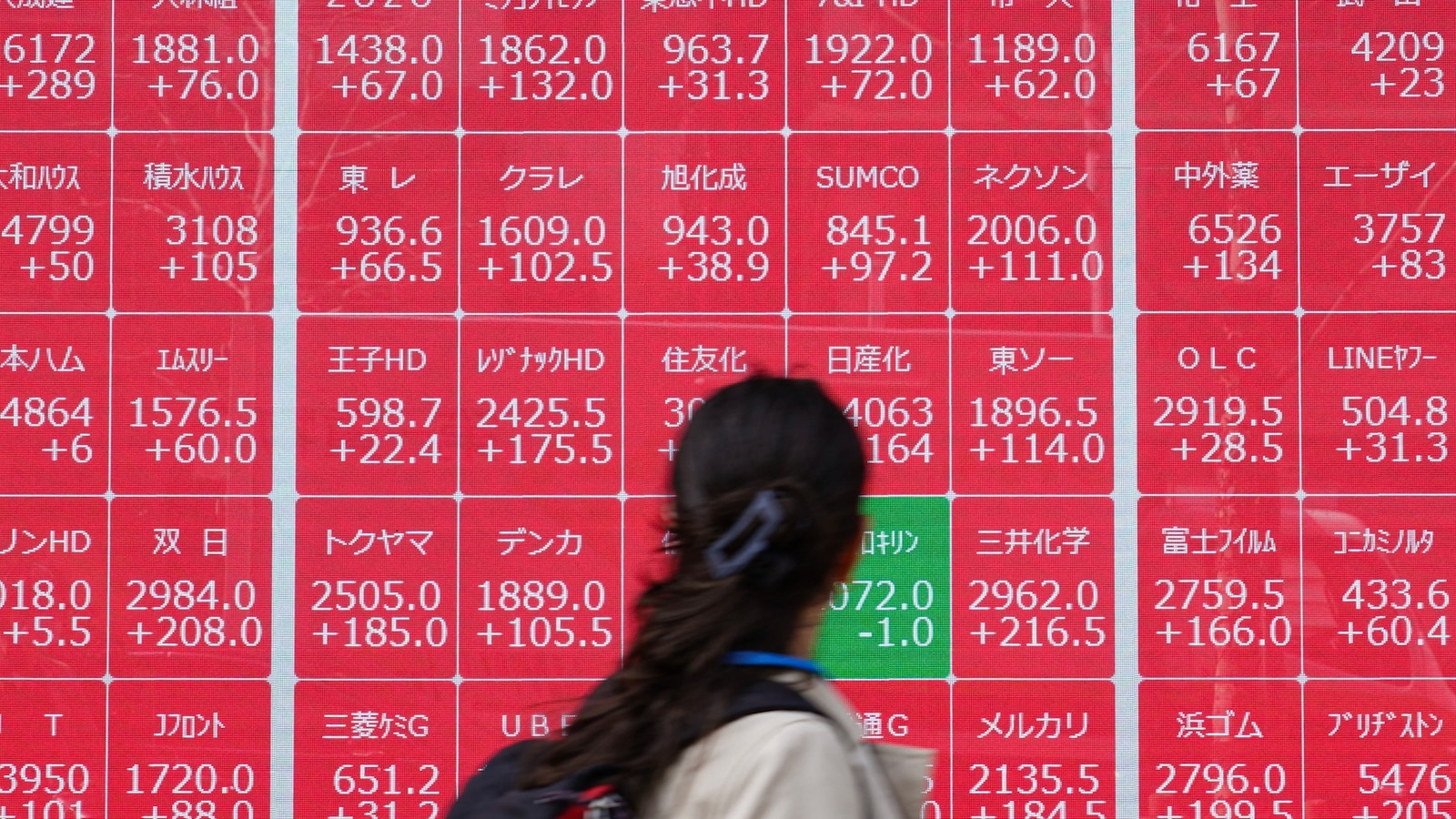
Resilience in the Markets: Asian Stocks Rebound Despite Tariff Uncertainty
Asian markets staged a robust recovery this week, shrugging off lingering concerns over U.S. tariffs imposed during the Trump administration. As of Wednesday, key indices in Japan, South Korea, and China climbed 1.5–2.3%, while U.S. futures also edged higher. Analysts attribute the rebound to strong corporate earnings, stabilizing commodity prices, and cautious optimism about global trade negotiations.
Market Recovery Defies Geopolitical Tensions
The resurgence in Asian equities comes despite unresolved trade disputes, including Section 301 tariffs on $370 billion worth of Chinese goods. Japan’s Nikkei 225 surged 2.1%, while Hong Kong’s Hang Seng Index gained 1.8%. South Korea’s KOSPI, sensitive to tech-sector volatility, rose 1.6% amid robust semiconductor demand.
“Markets are learning to price in geopolitical risks more efficiently,” said Dr. Mei Lin, chief economist at Singapore-based Horizon Advisory. “Investors recognize that tariffs may persist, but they’re also betting on regional supply chain adaptations and domestic consumption growth.”
Drivers Behind the Rally
Three key factors are fueling the uptick:
- Corporate Resilience: Q2 earnings exceeded expectations for 68% of Asia-Pacific firms, per Refinitiv data.
- Commodity Stability: Copper and iron ore prices rose 4% this month, easing inflation fears.
- Policy Support: China’s central bank injected $42 billion into markets to bolster liquidity.
However, not all analysts are convinced. “This rebound feels fragile,” warned Rajiv Bhatia, head of emerging markets at Macrolens Research. “If U.S.-China tensions escalate, we could see another sell-off—especially in tech-heavy markets like Taiwan.”
Historical Context: Tariffs and Market Reactions
Since 2018, Asian markets have weathered four major tariff-related dips, each followed by a median recovery of 11% within six months. The current bounce aligns with this pattern, though with tighter margins. For example:
- 2018: Markets dropped 14% post-tariffs but rebounded by 18%.
- 2020: Pandemic-driven lows saw a 22% recovery.
“History suggests resilience, but today’s higher interest rates add complexity,” noted Lin. “Investors are hedging bets with gold and cryptocurrencies.”
Sector-Specific Impacts and Opportunities
Technology and green energy stocks led gains, with Taiwan Semiconductor Manufacturing Co. (TSMC) rising 3.2%. Meanwhile, tariff-exposed sectors like automotive lagged, with Toyota dipping 0.4%.
Renewables emerged as a bright spot. “Asia’s push for energy independence is mitigating tariff risks,” said Bhatia. “Solar panel exports to Europe jumped 40% year-over-year, offsetting U.S. trade barriers.”
What’s Next for Investors?
Analysts advise monitoring:
- U.S. Treasury Secretary Janet Yellen’s upcoming talks with Chinese officials.
- Q3 earnings guidance, particularly for export-driven firms.
- Central bank policies, as the Fed’s rate decisions ripple across Asia.
While uncertainties loom, the market’s rebound underscores its adaptability. “The lesson here is diversification,” Lin emphasized. “Asia’s growth story isn’t monolithic—it’s a mosaic of local strengths.”
For real-time updates on market trends, subscribe to our daily financial briefings.
See more CCTV News Daily