US Beef Prices Soar Amid Historic Herd Shortages
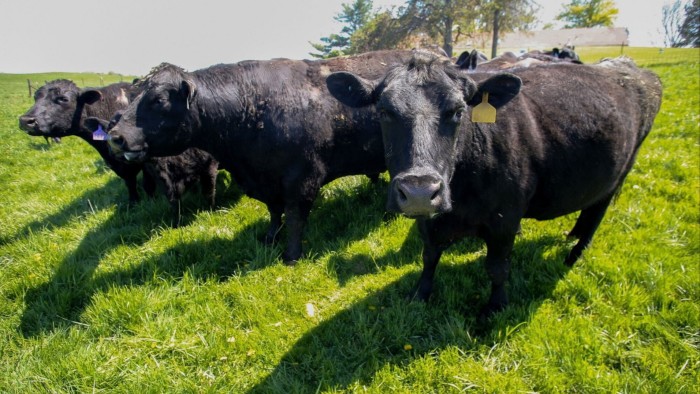
U.S. consumers face sticker shock at meat counters as beef prices hit record highs, driven by the smallest cattle herds since the 1950s. Drought, rising feed costs, and pandemic-era disruptions have shrunk inventories to 87.2 million head—down 2% from 2023 and 3% below the 10-year average. With grilling season underway, analysts warn the supply crunch may persist through 2025, forcing families and restaurants to rethink protein choices.
The Perfect Storm: Factors Driving the Cattle Shortage
Three converging crises have created what economists call “the tightest beef supply chain in living memory”:
- Drought devastation: 72% of Western cattle counties experienced drought in 2022-23, reducing grazing land by 38%
- Feed price spikes: Corn and soybean meal costs rose 45% since 2020, prompting early herd liquidations
- Breeding bottlenecks: The female cattle inventory dropped to 39 million, the lowest since 1962
“Ranchers are caught in a vicious cycle,” explains Dr. Sarah Williamson, agricultural economist at Texas A&M. “It takes 2-3 years to rebuild herds after drought conditions ease. Even if weather improves tomorrow, we’re looking at 2026 before supplies normalize.”
Price Impacts From Grocery Aisles to Drive-Thrus
Retail beef prices averaged $8.02/lb in May—a 12% year-over-year increase and 34% higher than pre-pandemic levels. The ripple effects extend beyond supermarkets:
- Fast food chains like Wendy’s report 15-20% higher beef costs
- Butchers see premium cuts like ribeye selling for $18-22/lb
- Ground beef, typically the budget option, now averages $5.17/lb
“We’ve had to adjust our menu mix and portion sizes,” admits Michael Chen, owner of Chicago steakhouse Prime Cut. “When your food costs jump 30% in 18 months, you either raise prices or get creative with alternatives.”
Consumer Adaptation Strategies Emerge
Shoppers are employing multiple tactics to stretch their protein budgets:
- 48% report buying smaller quantities of higher-quality beef (NielsenIQ survey)
- 37% are substituting with chicken or pork, driving up poultry prices 9%
- 22% now purchase directly from local ranchers through meat shares
“The silver lining is that this crisis is accelerating innovation,” notes food industry analyst Rebecca Torres. “We’re seeing explosive growth in hybrid products like beef-mushroom blends and plant-based alternatives that offer cost savings without sacrificing flavor.”
When Will Beef Prices Stabilize?
Market watchers identify three key indicators for recovery:
- Heifer retention rates: Current breeding stock levels suggest 2025-26 herd rebuilding
- Feed grain forecasts: USDA projects moderate corn price declines by late 2024
- Export demand: Strong Asian markets may keep pressure on domestic supplies
While prices may plateau in coming months, true relief appears distant. “Barring major economic downturn, beef will remain a premium protein through at least 2025,” predicts commodities expert Mark Richardson. “Consumers should view this as the new normal rather than a temporary spike.”
Broader Implications for the Food Industry
The beef shortage exposes vulnerabilities in U.S. food systems. Some ranchers are investing in drought-resistant forage crops, while others adopt precision feeding technologies to optimize herd health. Meanwhile, restaurants increasingly blend beef with extenders or highlight alternative proteins.
“This isn’t just about weather or economics—it’s a wake-up call for sustainable protein production,” argues environmental scientist Dr. Lisa Wong. “The solutions will require collaboration across ranchers, policymakers, and consumers.”
For families feeling the pinch, nutritionists suggest strategic approaches:
- Incorporate beans/lentils to extend meat portions
- Buy whole cuts and freeze portions for later use
- Explore underutilized cuts like chuck flap or Denver steak
As the situation evolves, one truth becomes clear: America’s relationship with beef is entering a new era of constrained supply and elevated prices. How consumers and industry adapt will shape dining habits for years to come.
Stay informed about market trends by subscribing to our agriculture and consumer economics newsletter for monthly updates.
See more CCTV News Daily