European Capital Exodus Surpasses $300 Billion: An Alarming Trend for the EU Economy
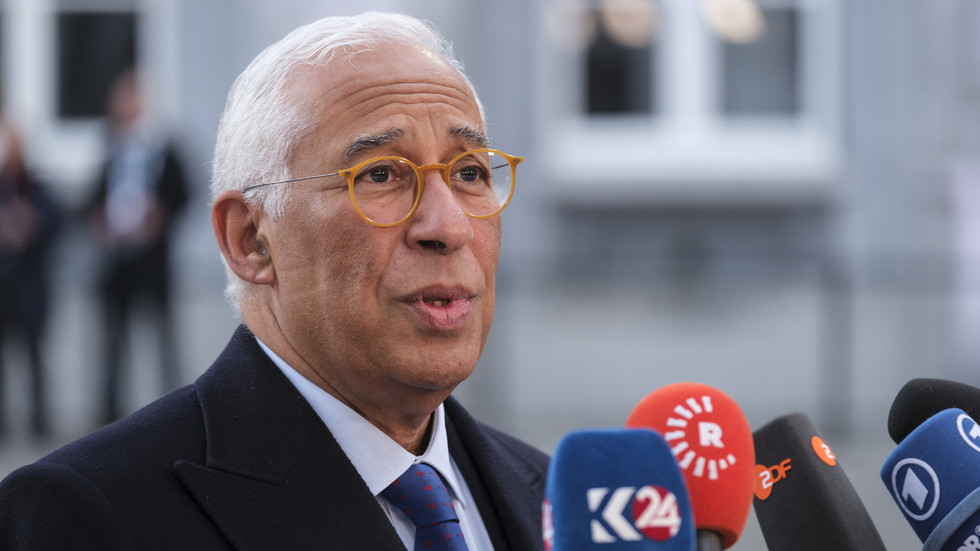
In a startling revelation, the president of the European Council has shed light on a troubling trend that has seen capital flight from the European Union exceed $300 billion. This significant outflow raises pressing questions about the stability of the European economy and its potential implications for future growth. As political, economic, and social factors converge, understanding the causes and consequences of this exodus becomes paramount for stakeholders across the continent.
Understanding the Capital Exodus
The term “capital exodus” refers to the large-scale withdrawal of financial assets from a particular region or country. In this case, the European Union (EU) is facing a massive outflow of capital, which has surpassed the $300 billion mark. Such a phenomenon can occur due to various factors, including economic instability, unfavorable regulatory environments, and political unrest. The current situation in Europe is multifaceted, involving a combination of these elements.
Several factors contribute to the ongoing capital flight:
- Economic Uncertainty: The fallout from the COVID-19 pandemic has left many European economies struggling. High inflation rates, coupled with rising energy prices, have created a climate of uncertainty that drives investors to seek more stable environments.
- Political Instability: The political landscape in several EU member states has become increasingly volatile. Issues such as Brexit, the rise of populism, and ongoing debates over EU governance have made some investors wary of the regulatory and political climate.
- Taxation Policies: High taxation in certain EU countries can deter investment, prompting companies and individuals to relocate their financial assets to jurisdictions with more favorable tax regimes.
- Global Competition: As emerging markets continue to develop and offer attractive opportunities, investors are increasingly diversifying their portfolios beyond Europe, seeking potential growth in other regions.
The Impact of Capital Flight
The ramifications of a capital exodus are profound and far-reaching. When significant financial resources leave an economy, it can lead to:
- Reduced Investment: A decline in capital can inhibit new investments in infrastructure, technology, and innovation, crucial drivers of economic growth.
- Currency Depreciation: A substantial outflow of capital can lead to a depreciation of the euro, impacting import costs and creating inflationary pressure.
- Job Losses: As businesses scale back operations or relocate, job losses may occur, further straining economies and exacerbating social issues.
- Increased Borrowing Costs: Governments may face higher borrowing costs as investors demand greater yields to compensate for perceived risks associated with their financial stability.
Responses from European Leaders
In light of the alarming capital flight, European leaders are beginning to take action. The President of the European Council has called for a comprehensive review of the EU’s economic policies and regulatory frameworks. Some proposed measures include:
- Enhancing Economic Stability: Implementing policies that bolster economic resilience, including targeted support for struggling sectors, could help restore investor confidence.
- Tax Reforms: Revisiting taxation policies to create a more favorable investment climate may encourage capital to remain within the EU.
- Strengthening Political Cohesion: Addressing the political divisions within the EU and fostering a more united front can reassure investors about the region’s stability.
Future Prospects: Can the EU Turn the Tide?
While the current capital exodus is undoubtedly concerning, there are steps that the EU can take to reverse this trend. By focusing on economic stability, fostering innovation, and creating a more favorable business environment, the EU can position itself as a competitive player in the global market. Some potential strategies include:
- Investment in Green Technologies: Emphasizing sustainability and green technologies can attract investment from corporations seeking to align with environmentally conscious practices.
- Digital Transformation Initiatives: Supporting digital innovation and infrastructure can help boost productivity and create new job opportunities, making the EU more appealing to investors.
- Strengthening Trade Relationships: Expanding trade agreements with non-EU countries can help diversify the economic base and attract foreign investment, counteracting some of the outflows.
Conclusion: A Call to Action
The European capital exodus, which has now surpassed $300 billion, serves as a wake-up call for policymakers, investors, and business leaders alike. As the EU faces unprecedented challenges, it is crucial to recognize the implications of this trend and take decisive action to mitigate its impact. By fostering a stable, innovative, and competitive environment, Europe can work towards reversing the tide of capital flight and ensuring a prosperous future for its economies.
In the months and years ahead, the decisions made by European leaders will be pivotal in shaping the continent’s economic landscape. By addressing the underlying issues driving capital outflows, the EU has the opportunity to rebuild investor confidence and set the stage for sustainable growth and development.
Ultimately, while the challenges are significant, the resilience and adaptability of the European Union can pave the way for a brighter economic future. The time for action is now, and with a concerted effort, the EU can navigate through these turbulent waters and emerge stronger than ever.
See more CCTV News Daily