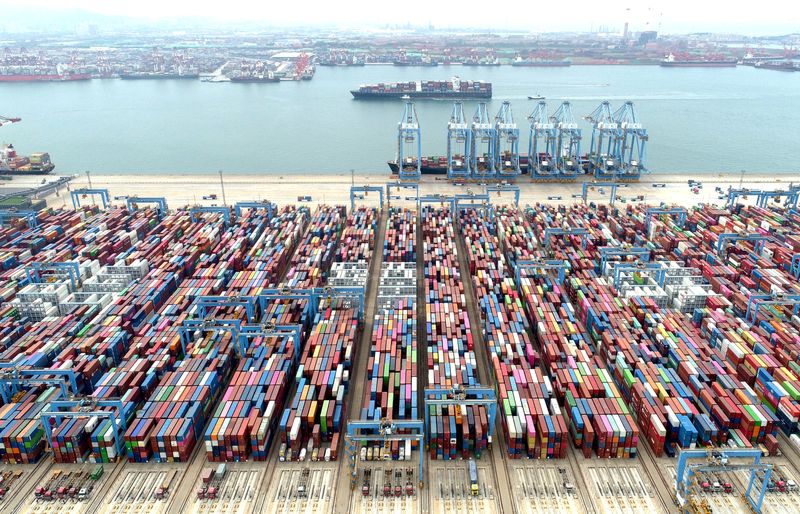
China’s Export Surge: Understanding the Dynamics Amid Trade Challenges
In recent months, China’s export growth has displayed remarkable resilience, defying the backdrop of global trade tensions and uncertainties. This surge in exports comes at a time when many economies are grappling with inflation, supply chain disruptions, and shifts in consumer behavior. The implications of this export surge are profound, not just for China but for the global economy at large. As we delve deeper into this phenomenon, we’ll explore the challenges that accompany this growth, alongside the unexpected trends emerging within China’s import landscape.
The Factors Behind China’s Export Surge
Several key factors have contributed to China’s recent export growth:
- Post-Pandemic Recovery: As countries around the world recover from the COVID-19 pandemic, there has been a surge in demand for a wide range of goods, especially electronics, textiles, and machinery. China’s manufacturing sector has ramped up production to meet this demand.
- Competitive Pricing: Chinese goods continue to be competitively priced, which appeals to international buyers looking for cost-effective options. This competitive edge has helped to maintain and even grow market share in various sectors.
- Government Support: The Chinese government has implemented several policies aimed at boosting exports, including tax incentives and subsidies for key industries. This support has been vital in navigating global trade challenges.
- Technological Advancements: Innovations in manufacturing processes and logistics have improved efficiency, enabling Chinese companies to produce and ship goods more quickly than ever before.
Despite the impressive growth figures, China’s export sector faces a myriad of challenges:
- Geopolitical Tensions: Ongoing tensions with the United States and other nations have led to tariffs and trade barriers, complicating the export landscape. These geopolitical issues can create volatility, making it difficult for exporters to plan for the future.
- Supply Chain Disruptions: The global supply chain is still recovering from the pandemic’s effects. Delays in shipping and increased costs for raw materials can affect the ability of Chinese exporters to meet demand.
- Environmental Regulations: Stricter environmental regulations are being implemented both domestically and internationally. Compliance with these regulations can lead to increased production costs and affect the competitiveness of Chinese exports.
Unexpected Import Trends
Alongside the export surge, there have been surprising shifts in China’s import patterns that warrant attention. These changes can be indicative of broader economic strategies and consumer preferences.
- Increased Agricultural Imports: China has ramped up imports of agricultural products, particularly soybeans and corn, to meet domestic demand for food security. This shift highlights the nation’s strategic approach to ensuring a stable food supply amid fluctuating global prices.
- High-Tech Goods: There has been a notable increase in imports of high-tech products, including semiconductors and advanced machinery. This trend suggests a focus on enhancing domestic technological capabilities and reducing reliance on foreign technologies.
- Luxury Goods: As the middle class in China continues to expand, there is a growing appetite for luxury and high-end products. This change is reshaping the import landscape, with foreign brands seeking to capitalize on this trend.
Implications for Global Trade
The dynamics of China’s export surge and its shifting import patterns present both opportunities and challenges for the global market:
- Increased Competition: As China continues to grow its export capabilities, other countries may find it challenging to compete, particularly in industries where China has established a dominant position.
- Supply Chain Diversification: Countries dependent on Chinese imports may begin to diversify their supply chains in response to geopolitical risks, potentially leading to a reconfiguration of global trade relationships.
- Investment Opportunities: With China’s focus on high-tech goods and sustainable practices, there may be new investment opportunities for businesses willing to engage with these emerging markets.
The Future Outlook
Looking ahead, the trajectory of China’s export growth and import trends is likely to evolve based on several factors:
- Global Economic Conditions: As the global economy continues to stabilize post-pandemic, the demand for exports may fluctuate, impacting China’s trade balance.
- Trade Agreements: The establishment of new trade agreements and partnerships could facilitate smoother trade flows, potentially benefiting both exports and imports.
- Technological Advancements: Continued innovation in manufacturing and logistics will play a crucial role in maintaining China’s competitive edge in the global market.
Conclusion
China’s export surge is a testament to the resilience of its economy in the face of significant trade challenges. While the country navigates complex geopolitical landscapes and evolving consumer demands, the unexpected trends in its import patterns reveal a strategic shift towards enhancing domestic capabilities and ensuring food security. As the global market adapts to these changes, it is essential for businesses and policymakers to remain agile, recognizing both the risks and opportunities that come with China’s evolving trade dynamics.
In summary, China’s recent export growth, coupled with its surprising import trends, reflects a nation that is not only responding to immediate challenges but also strategically positioning itself for future economic stability and growth. The implications of these trends will resonate throughout the global economy, inviting stakeholders to engage with China in new and innovative ways.
See more CCTV News Daily