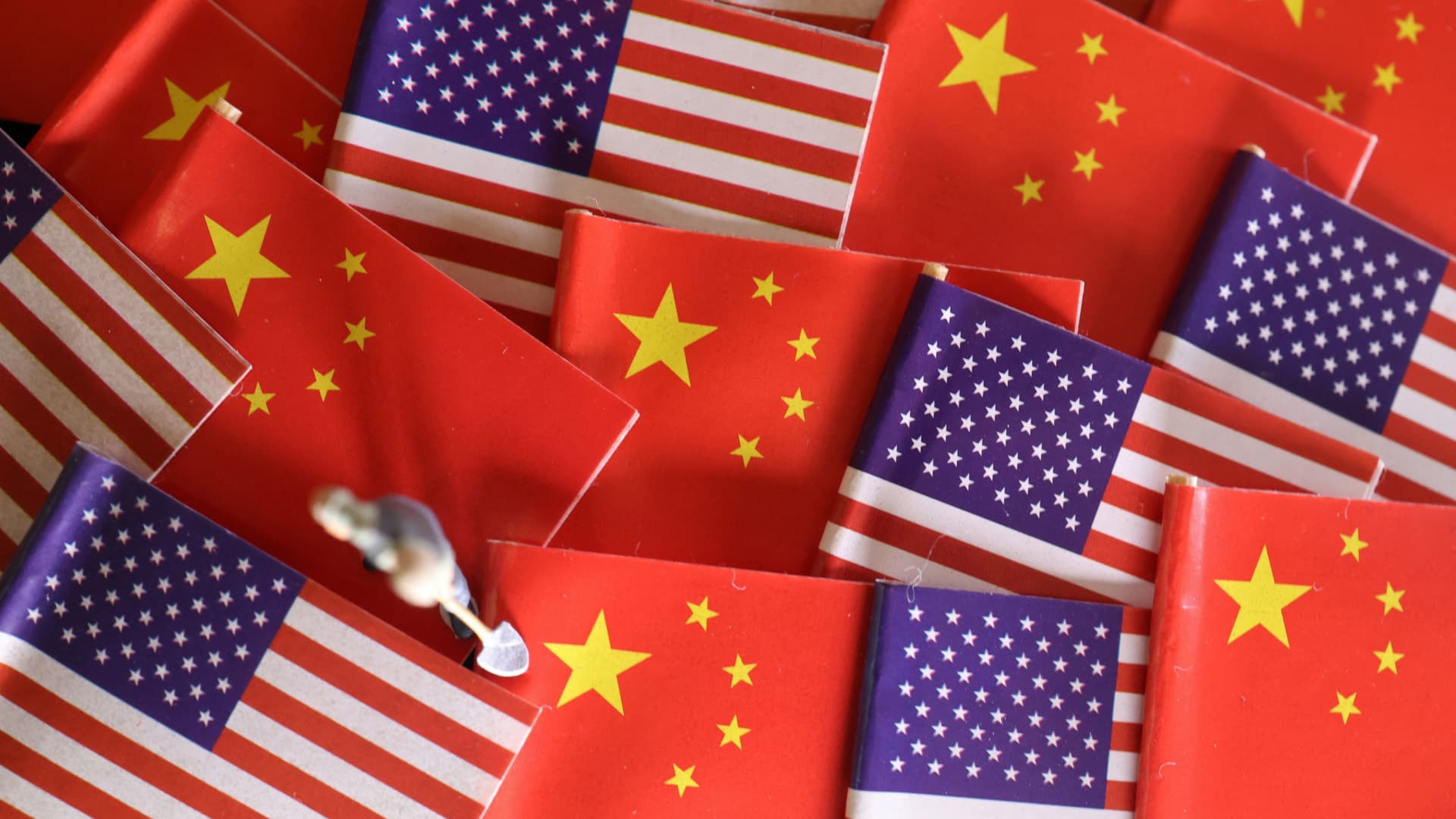
China’s Strategic Play: Revitalizing Foreign Investment Amid Global Tensions
As geopolitical tensions rise, China has unveiled a comprehensive action plan aimed at attracting foreign investment. This initiative marks a notable shift in the nation’s economic strategy, signifying its intent to enhance economic ties globally despite the increasing strain in international relations. This article delves into the implications of China’s new strategy, the mechanisms it employs, and the potential challenges it faces in revitalizing foreign investment.
The Context of China’s Economic Strategy
In recent years, China’s economy has encountered multiple challenges, from the impact of the COVID-19 pandemic to heightened tensions with major economies like the United States. The combination of trade disputes, tariffs, and political friction has led to a cautious approach from foreign investors. Recognizing this, the Chinese government has embarked on a strategic play to revitalize foreign investment, aiming not only to stabilize its economy but also to position itself as a resilient player in the global market.
Understanding the New Action Plan
The cornerstone of China’s action plan involves a multifaceted approach to attract foreign capital. Key elements include:
- Regulatory Reforms: China aims to streamline regulations that have previously deterred investors. This includes simplifying the process for foreign companies to establish operations in China and reducing bureaucratic red tape.
- Incentives for Investment: The government is enhancing fiscal incentives, such as tax breaks and subsidies for sectors deemed crucial for development, including technology, renewable energy, and pharmaceuticals.
- Investment Protection: To build confidence among foreign investors, China is reinforcing laws that protect intellectual property rights and ensuring fair competition within its markets.
- Infrastructure Development: Significant investments are being made in infrastructure to improve connectivity and logistics, making it easier for foreign businesses to operate effectively.
Fostering an Investor-Friendly Environment
China’s strategic play also emphasizes the importance of creating a welcoming atmosphere for foreign investment. This involves:
- Engagement with Global Investors: China is actively engaging with foreign investors through forums and trade exhibitions, showcasing opportunities and addressing concerns directly.
- Localized Support: By establishing regional investment promotion agencies, China is tailoring its approach to meet the specific needs of different regions and industries.
- Promoting Joint Ventures: Encouraging joint ventures with domestic firms can help ease foreign companies into the market, allowing them to navigate the local landscape more effectively.
The Implications of Revitalizing Foreign Investment
China’s renewed focus on attracting foreign investment has far-reaching implications:
Economic Growth and Stability
By fostering foreign investment, China aims to bolster its economic growth. Increased inflows of capital can lead to job creation, technological advancements, and enhanced productivity. This growth is crucial for maintaining stability in a rapidly changing global economy.
Global Supply Chain Resilience
China’s strategic play also seeks to position the country as a vital node in the global supply chain. By revitalizing foreign investment, it can enhance its manufacturing capabilities and reduce reliance on external sources. This self-sufficiency is particularly important in light of supply chain disruptions experienced during the pandemic.
Geopolitical Considerations
China’s approach to foreign investment also carries geopolitical implications. As it seeks to strengthen economic ties with various countries, it may counterbalance the influence of Western nations. This strategy not only enhances China’s economic stature but also seeks to build alliances that could be beneficial in times of political strife.
Challenges on the Horizon
While China’s action plan to revitalize foreign investment is ambitious, several challenges could hinder its success:
Geopolitical Tensions
The ongoing geopolitical tensions, particularly with the United States, pose a significant challenge. Foreign investors may remain wary of entering the Chinese market amid concerns about regulatory unpredictability and the potential for sanctions.
Domestic Economic Pressures
China faces its own set of economic pressures, including slowing growth rates and rising debt levels. These internal factors could impact the government’s ability to deliver on its promises of incentives and support for foreign investors.
Public Perception and Trust
Building trust among foreign investors is crucial. Past incidents of unfair treatment, lack of transparency, and intellectual property theft have left a stain on China’s reputation. The new action plan must effectively address these concerns to succeed.
Conclusion: A Balancing Act for the Future
China’s strategic play to revitalize foreign investment amid global tensions is a bold move that reflects its commitment to economic resilience and growth. By implementing regulatory reforms, offering incentives, and fostering a more welcoming environment for investors, China aims to position itself as an attractive destination for foreign capital.
However, the road ahead is fraught with challenges. The geopolitical landscape is ever-evolving, and China’s ability to navigate these complexities will determine the long-term success of its investment strategy. As the world watches closely, China’s approach will likely serve as a pivotal case study in how nations can adapt their economic strategies in response to global tensions.
Ultimately, China’s new action plan is not just about attracting foreign investment; it’s about redefining its role on the global stage, ensuring that it remains a competitive player in an increasingly interconnected world.
See more CCTV News Daily