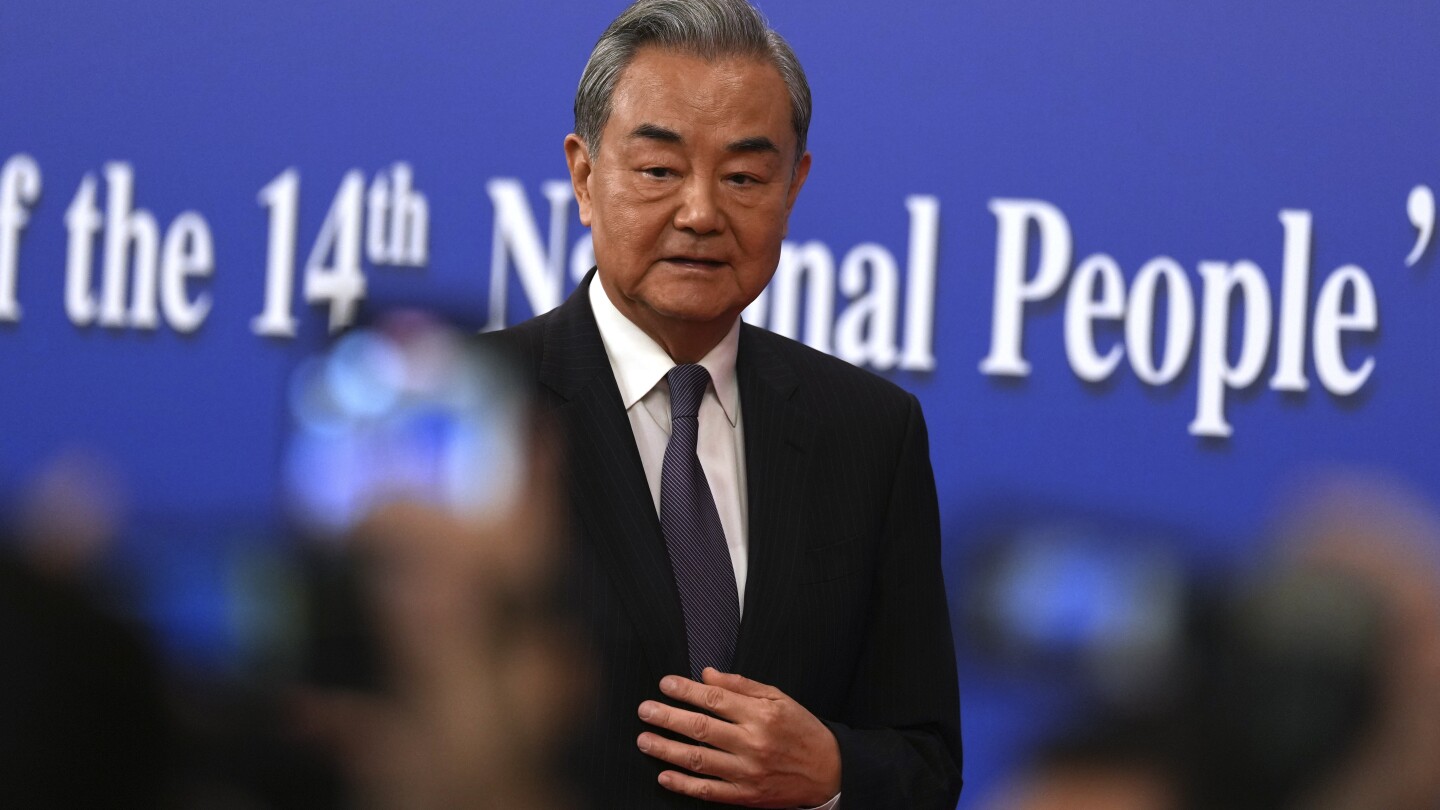
Tensions Erupt: China’s Foreign Minister Takes Aim at US Tariff Policies
In a striking and revealing annual press briefing, China’s Foreign Minister has openly criticized the United States’ tariff policies, marking a significant escalation in the ongoing economic tensions between these two global superpowers. The remarks made during the briefing not only reflect China’s discontent with U.S. trade strategies but also serve to illuminate the broader implications for international economic relations. This article delves into the intricacies of these tariffs, the historical context behind the trade dispute, and the potential ramifications on global markets.
The Context of the U.S.-China Trade Dispute
The trade relationship between the United States and China has been fraught with complexities, especially over the last few years. Initiated during the Trump administration, the trade war saw the U.S. imposing tariffs on hundreds of billions of dollars worth of Chinese goods, citing unfair trade practices and intellectual property theft as primary concerns. In response, China retaliated with its own tariffs, creating a tit-for-tat scenario that has left both nations—and indeed the global economy—on edge.
These tensions have persisted into the Biden administration, which has maintained many of the tariffs while seeking to address the trade imbalance through different means. The ongoing dispute highlights not only economic competition but also a broader struggle for geopolitical influence.
China’s Foreign Minister’s Strong Critique
During the recent press briefing, China’s Foreign Minister delivered a pointed critique of U.S. tariff policies, describing them as detrimental not only to China but to the global economy as a whole. He argued that the tariffs are a form of economic coercion that undermines free trade principles and disrupts the delicate balance of international commerce.
He emphasized that the U.S. tariff policies have led to increased costs for consumers and businesses alike, effectively stifling economic growth. According to him, the unilateral imposition of tariffs is not only unjust but also counterproductive, as it harms the very economic relationships that the U.S. claims to value.
The Economic Implications of Tariff Policies
Understanding the implications of these tariffs is crucial for analyzing the current global economic landscape. Tariffs, essentially taxes imposed on imported goods, are intended to protect domestic industries from foreign competition. However, the reality is often more complicated:
- Increased Costs: Tariffs lead to higher prices for consumers. As companies face higher import costs, they often pass these costs onto consumers, leading to inflation.
- Supply Chain Disruptions: The imposition of tariffs can disrupt established supply chains, causing delays and inefficiencies that affect production and delivery.
- Retaliation: Countries affected by tariffs may respond with their own tariffs, leading to a cycle of retaliation that can escalate tensions and disrupt global trade.
- Impact on Global Markets: The uncertainty surrounding tariffs can lead to volatility in global markets, affecting investments and economic growth worldwide.
As such, the remarks from China’s Foreign Minister come at a critical juncture. The ongoing tariffs are not just a bilateral issue; they influence global trade dynamics and the economic outlook for many countries that rely on both the U.S. and China as key trading partners.
Broader Economic Relations at Stake
The U.S.-China trade relationship is a cornerstone of the global economy. Any shift in trade policy between these two nations can have far-reaching effects. For instance, countries in Southeast Asia and other regions often find themselves caught in the crossfire, as they may rely on both nations for trade and investment.
Furthermore, the technological race between the U.S. and China adds another layer of complexity. As both nations vie for dominance in sectors like artificial intelligence, telecommunications, and renewable energy, tariffs can hinder cooperation in these critical areas.
Possible Pathways Forward
Despite the escalating tensions, there are potential pathways forward that could alleviate some of the economic pressures stemming from the tariff policies. Some avenues worth exploring include:
- Negotiation and Dialogue: Engaging in constructive dialogue could lead to agreements that address key concerns on both sides, potentially resulting in a reduction or elimination of tariffs.
- Multilateral Trade Agreements: Strengthening multilateral frameworks could help restore balance and fairness in trade practices, providing a platform for addressing grievances.
- Innovation and Collaboration: Fostering innovation through collaboration rather than competition could benefit both nations. Areas such as climate change and public health are ripe for cooperative efforts.
In essence, while the criticisms from China’s Foreign Minister highlight the growing tensions fueled by U.S. tariff policies, they also underscore the importance of finding common ground. The global economy thrives on interconnectedness, and breaking down barriers rather than erecting them should be the goal of both nations.
Conclusion: A Call for Rationality
As the economic landscape continues to evolve, the call for rationality and cooperation becomes more pressing. China’s Foreign Minister’s sharp critique of U.S. tariff policies serves as a reminder of the delicate balance required in international trade relations. By prioritizing dialogue over confrontation, both the U.S. and China can work towards a more stable economic future that benefits not only their citizens but the world at large.
In conclusion, the ongoing trade dispute, characterized by escalating tensions and strong rhetoric, presents both challenges and opportunities. The path forward will require courage, negotiation, and a commitment to mutual respect. As these two superpowers navigate their complex relationship, the stakes are high, and the eyes of the world are watching.
See more CCTV News Daily