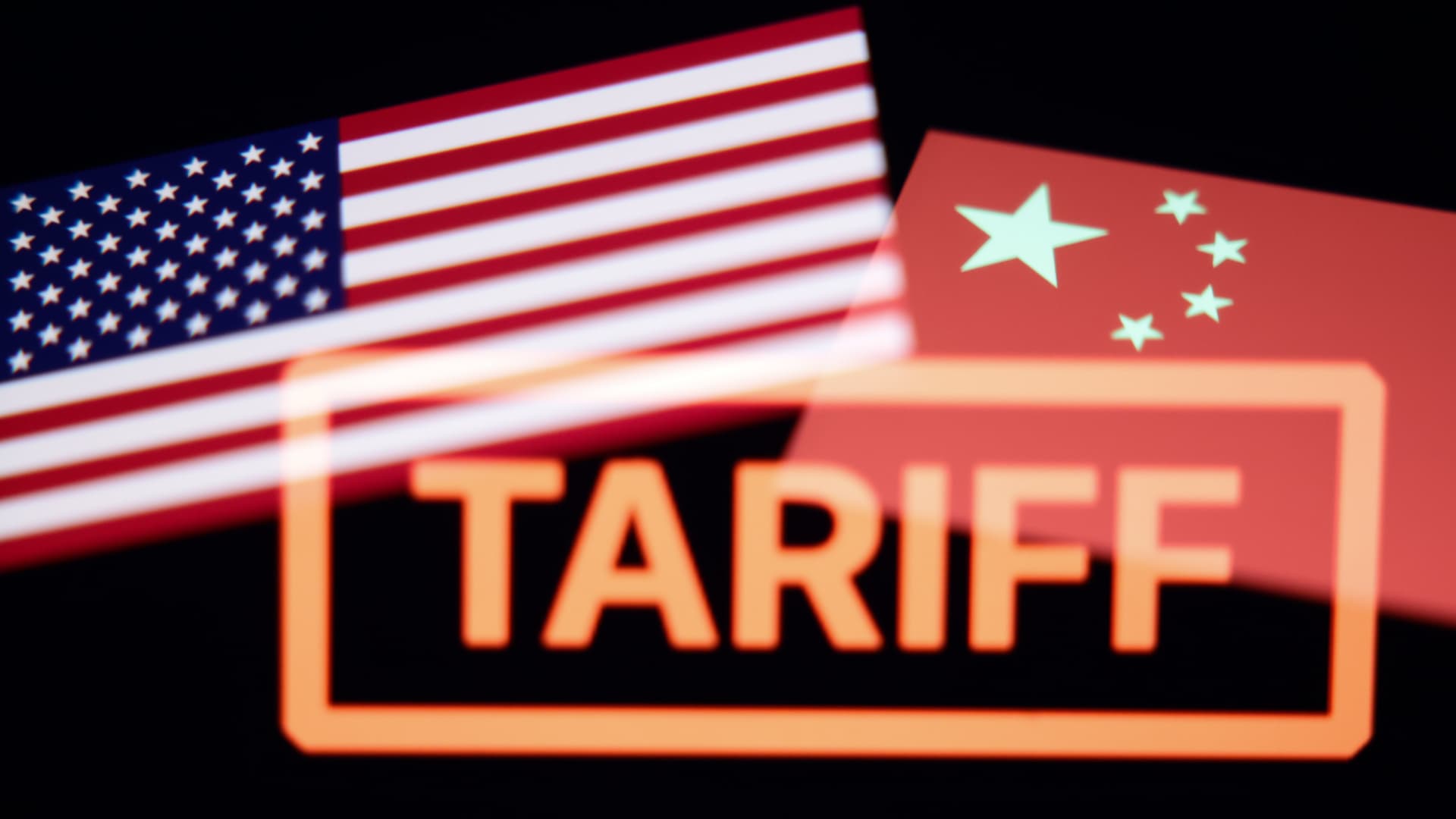
China Unveils New Tariffs on U.S. Imports: Understanding the Implications for Trade Relations
Beginning February 10, China will implement tariffs of up to 15% on various U.S. imports, a significant move that raises questions about the future of trade relations between the two nations. This decision, rooted in ongoing tensions and strategic economic considerations, could have profound implications for businesses, consumers, and the global economy as a whole.
The Context of China’s Tariff Decision
In recent years, U.S.-China relations have been marked by a series of trade disputes and negotiations. The introduction of tariffs can be seen as a response to various factors, including trade imbalances, intellectual property concerns, and geopolitical dynamics. China’s latest tariffs may serve multiple purposes:
- Economic Retaliation: These tariffs can be viewed as a countermeasure to previous U.S. tariffs imposed on Chinese goods, which have impacted a wide range of industries.
- Domestic Economic Strategy: By imposing these tariffs, China may aim to protect its domestic industries and encourage local consumption, thus boosting its economy amidst global uncertainties.
- Political Messaging: The tariffs also send a signal to the U.S. regarding China’s willingness to defend its economic interests vigorously.
What Products Are Affected by the New Tariffs?
The new tariffs will target a variety of U.S. imports, including but not limited to:
- Automobiles and automotive parts
- Agricultural products such as soybeans and corn
- Machinery and equipment
- Chemicals and plastics
These sectors represent significant portions of U.S. exports to China, and tariffs on these items could lead to increased costs for Chinese importers, potentially trickling down to consumers.
The Potential Impact on U.S. Businesses
For U.S. businesses, the introduction of these tariffs presents both challenges and opportunities:
- Increased Costs: Companies that rely on exporting goods to China may face higher tariffs, which can erode profit margins. This might lead to a reevaluation of pricing strategies or even a shift in supply chains.
- Market Access: Difficulties in accessing the Chinese market could force U.S. companies to seek alternative markets, potentially diversifying their export portfolios.
- Innovation Opportunities: In response to these challenges, some businesses may invest in innovation and efficiency improvements to remain competitive in a changing landscape.
Consumer Consequences: What to Expect
The impact of these tariffs will not be limited to businesses; consumers may also feel the effects:
- Higher Prices: As import costs rise, consumers could see increases in prices for affected goods. This is particularly concerning for sectors like automotive and agriculture, where price sensitivity is high.
- Limited Choices: Retailers may reduce their inventory of U.S. products, leading to fewer options available for consumers.
- Quality Variations: In some cases, businesses might substitute U.S. imports with lower-quality alternatives from other countries to mitigate costs, impacting overall consumer satisfaction.
Global Trade Dynamics and Future Relations
The introduction of these tariffs is not occurring in a vacuum. It reflects broader global trade dynamics and the increasingly complex relationship between China and the United States. As both nations navigate this terrain, several outcomes are possible:
- Continued Tensions: If both countries continue to retaliate with additional tariffs, it could lead to a protracted trade war, further destabilizing international markets.
- Negotiation Opportunities: Conversely, this could spur renewed negotiations aimed at reaching a comprehensive trade agreement, fostering a more stable economic environment.
- Shifts in Global Supply Chains: Companies around the world may reassess their supply chains, potentially leading to new trade partnerships and economic alliances beyond just the U.S.-China dynamic.
Looking Ahead: What Businesses Can Do
In light of the new tariffs, businesses should consider several strategies to navigate the evolving landscape:
- Conduct Risk Assessments: Companies should analyze their exposure to tariffs and identify the potential impact on their operations and profitability.
- Diversify Supply Chains: Exploring new suppliers and markets can help mitigate risks associated with tariffs on U.S. imports.
- Engage with Trade Experts: Consulting with trade experts or legal advisors can provide valuable insights into compliance and strategic adjustments.
Conclusion: A New Chapter in U.S.-China Trade Relations
As China unveils new tariffs on U.S. imports, the implications for trade relations are significant and multifaceted. While the immediate effects may include increased costs for businesses and consumers, the longer-term consequences could reshape the global trade landscape. Companies must remain vigilant and adaptable, leveraging opportunities while navigating the challenges that arise from this evolving situation. Ultimately, the future of U.S.-China trade relations hinges on the ability of both nations to engage in constructive dialogue and find common ground amidst their differences.
See more CCTV News Daily