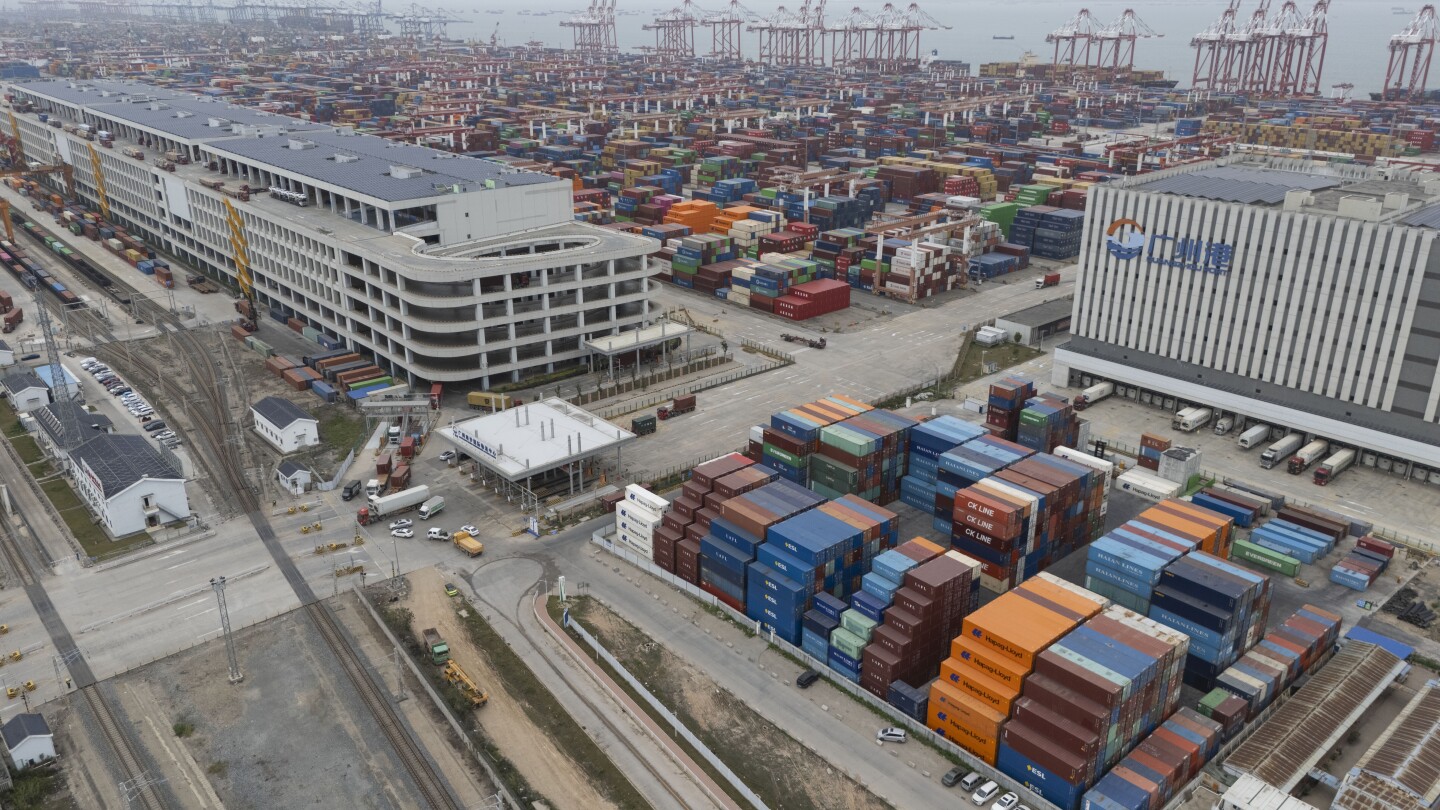
China Weighs US Trade Overtures Amid Persistent Tariff Disputes
China is cautiously evaluating renewed trade discussions with the United States as Washington seeks to ease economic tensions, according to government officials and trade analysts. The dialogue comes despite lingering tariffs on over $300 billion of Chinese goods imposed during the Trump administration, creating both opportunities and obstacles for bilateral relations. With both nations facing economic headwinds, the outcome could reshape global supply chains and inflation trends.
Historical Context of the Trade War
The current standoff traces back to 2018 when the US slapped tariffs on Chinese imports ranging from steel to electronics, citing unfair trade practices and intellectual property theft. China retaliated with duties on American agricultural products and manufactured goods. Although the Phase One trade deal in 2020 provided temporary relief, key issues remain unresolved:
- Approximately $370 billion in US tariffs still affect Chinese exports
- China’s retaliatory tariffs cover $110 billion of US goods
- Bilateral trade reached $690 billion in 2022 despite tensions
“The tariffs became political symbols as much as economic tools,” explains Dr. Lin Wei, a trade policy specialist at Peking University. “Removing them now requires face-saving solutions for both sides, especially with US elections approaching.”
Economic Pressures Driving Dialogue
Recent economic indicators suggest both nations have compelling reasons to compromise. China’s export growth slowed to 0.5% year-on-year in June 2023, while the US faces persistent inflation with consumer prices rising 3% annually. The International Monetary Fund estimates that removing the tariffs could boost global GDP by nearly 1%.
Key pressure points include:
- American businesses paid over $150 billion in tariffs since 2018
- Chinese manufacturers lost 15% market share in some US sectors
- 40% of US companies report supply chain disruptions due to trade policies
James Carter, a former US trade negotiator, notes: “Corporate America is pushing hard for tariff relief. The question is whether political considerations will override economic pragmatism in Washington.”
Political Landmines in the Negotiations
The talks face significant political hurdles, particularly regarding technology transfers and national security concerns. The Biden administration recently expanded semiconductor export controls, while China continues subsidizing strategic industries. These actions complicate efforts to rebuild trust.
Notable flashpoints include:
- Ongoing disputes over China’s state-owned enterprises
- US restrictions on advanced technology exports
- Differing interpretations of the Phase One agreement’s fulfillment
Meanwhile, Beijing remains wary of appearing weak before domestic audiences. “Chinese leaders must balance economic needs with nationalist sentiment,” says Singapore-based analyst Priya Singh. “They can’t be seen capitulating to American demands.”
Sector-Specific Impacts and Opportunities
Certain industries stand to gain disproportionately from tariff reductions. Agricultural exports, particularly American soybeans and pork, could rebound quickly. The technology sector presents more complex challenges given security concerns.
Projected impacts by sector:
- Agriculture: Potential 25% increase in US exports to China
- Automotive: $11 billion in tariffs currently affect vehicle parts
- Consumer Electronics: Possible 8-12% price reductions without tariffs
However, as tech analyst Mark Williams cautions, “Semiconductors and AI will remain battlegrounds regardless of trade talks. Neither side can afford to compromise on technological supremacy.”
Potential Pathways Forward
Observers suggest several compromise scenarios could emerge:
- Phased tariff reductions tied to specific benchmarks
- Limited agreements excluding sensitive technology sectors
- New dialogue frameworks to address long-term disputes
The most likely outcome, according to European trade envoy Matthias Bauer, would be “a modest agreement that lowers some tariffs while creating working groups for tougher issues. Neither side wants escalation, but substantive breakthroughs appear unlikely before 2024.”
Global Implications of US-China Trade Relations
The negotiations carry consequences far beyond bilateral trade. Southeast Asian nations that benefited from supply chain shifts now face potential reversals. European exporters worry about being squeezed in the Chinese market if US goods regain preferential access.
Broader ramifications include:
- Potential realignment of global inflation trends
- Shifts in foreign direct investment patterns
- Impact on WTO reform efforts
As the world watches these developments, businesses should prepare for multiple scenarios. “Companies need contingency plans whether relations improve or deteriorate further,” advises supply chain expert Rachel Guo. “The only certainty is ongoing volatility in US-China trade dynamics.”
Looking Ahead: What Comes Next?
With working-level talks expected in coming weeks, analysts identify three critical markers for progress:
- Concrete tariff reduction commitments before November’s APEC summit
- Resumption of regular ministerial-level dialogues
- Joint statements addressing overcapacity and market access
While the path forward remains uncertain, the renewed engagement signals both nations recognize the costs of prolonged confrontation. As global economic growth slows, the incentive for compromise grows stronger—even if fundamental disagreements persist.
For businesses navigating these uncertain waters, staying informed about regulatory changes will be crucial. Subscribe to our trade policy updates for the latest developments in US-China relations and their commercial impacts.
See more CCTV News Daily