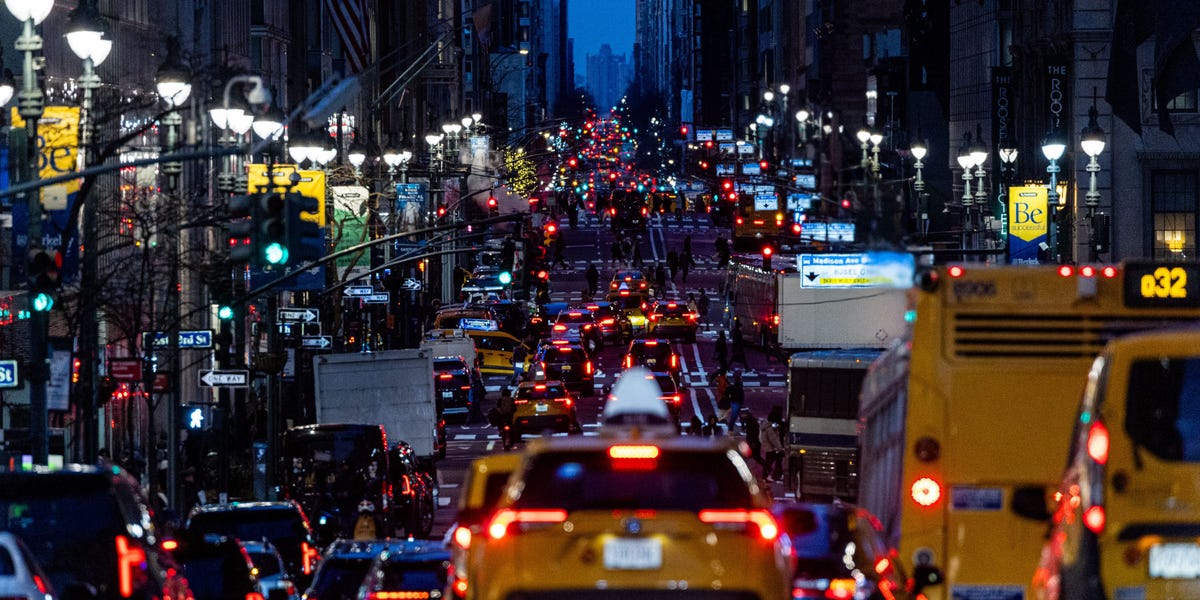
The Hidden Costs of Commuting: Ranking America’s Priciest Cities for Drivers
American drivers are hemorrhaging money on their daily commutes, with some cities costing workers thousands more annually than others. A new analysis reveals the shocking financial toll of urban commuting, ranking U.S. metros where gas prices, tolls, parking fees, and time lost in traffic create the heaviest burdens. The findings expose how transportation costs—often overlooked in household budgets—are quietly eroding disposable income nationwide.
The Steep Price of Getting to Work
Commuting expenses now represent the second-largest household cost after housing in many urban areas, according to the Bureau of Labor Statistics. The average American spends $2,600 annually just getting to work—but in top-ranked cities, that figure balloons to nearly $7,000 when accounting for all hidden expenses.
“Most workers dramatically underestimate their true commuting costs,” says transportation economist Dr. Lisa Chen of the Urban Mobility Institute. “They track gas receipts but forget about vehicle depreciation, maintenance spikes from stop-and-go traffic, and the opportunity cost of hours wasted behind the wheel.”
Top 5 Most Expensive Cities for Commuters
Researchers analyzed 50 major metros using 12 cost factors, including:
- Average daily round-trip distance
- Local gas prices
- Toll road prevalence
- Downtown parking rates
- Traffic congestion delays
The worst offenders for drivers’ wallets:
- New York, NY – $6,760 annual cost: Highest parking rates ($600/month downtown) and tolls ($15+ per bridge crossing)
- San Francisco, CA – $6,210: Steep gas prices plus 82 hours yearly lost in traffic
- Boston, MA – $5,890: Ancient road infrastructure increases wear-and-tear repairs
- Chicago, IL – $5,450: Winter weather compounds maintenance costs
- Los Angeles, CA – $5,380: Longest average commute times (72 minutes round-trip)
The Silent Budget Killer: Vehicle Depreciation
While drivers notice pain at the pump, the most insidious cost comes from accelerated vehicle depreciation. Urban commuters in high-congestion cities lose 25-40% more in resale value annually compared to rural drivers, per AAA data.
“Every mile in stop-and-go traffic is like three highway miles on your transmission,” warns auto analyst Mark Reynolds. “Boston commuters essentially total their cars’ value in seven years through pure congestion wear.”
Alternative Transportation: Savings or Added Burden?
While public transit theoretically offers relief, the reality proves complicated. In cities like Houston and Atlanta, poor connectivity forces many to combine transit with ride-hailing—creating hybrid costs that often exceed driving alone.
However, some metros show promise. Portland’s integrated transit system saves commuters an average of $4,200 yearly versus driving, while Philadelphia’s robust rail network cuts costs by 32% for center-city workers.
Future Outlook: Remote Work and Rising Costs
The pandemic’s remote work revolution has slightly eased congestion but created new inequities. Office workers saving on commute costs now outspend service employees who must drive daily. Meanwhile, electric vehicle adoption—while environmentally beneficial—hasn’t solved cost issues due to high urban charging rates.
Transportation planners warn that without infrastructure overhauls, these costs will keep climbing. “Cities must choose between investing in transit or accepting that economic mobility will suffer,” says Dr. Chen. “The status quo is bankrupting middle-class workers.”
For commuters feeling the pinch, experts recommend auditing true driving costs using DOT calculators, exploring employer transit benefits, and advocating for local transportation policy reforms. The road ahead demands action—both individually and collectively—to steer toward more affordable mobility solutions.
See more CCTV News Daily