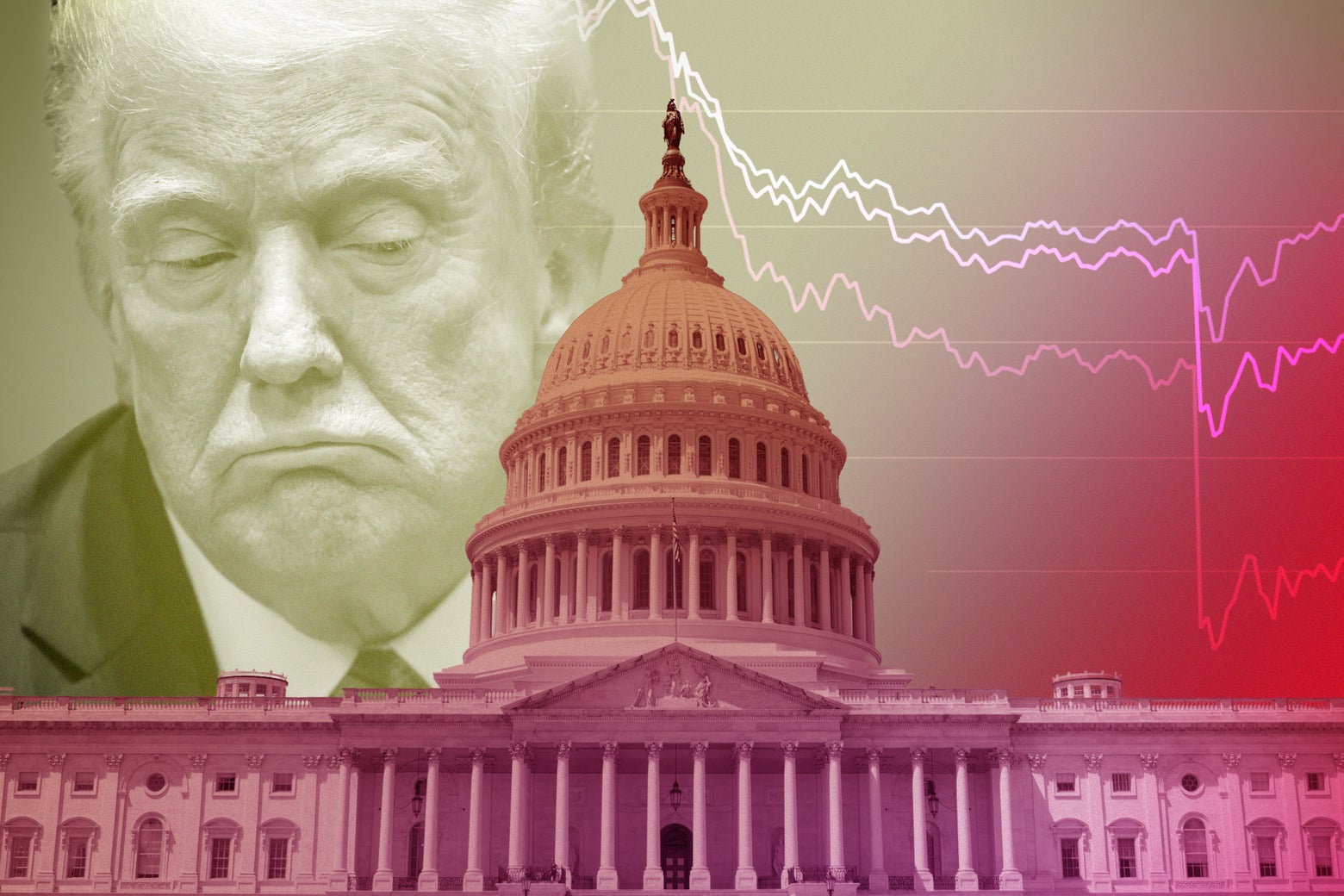
The Unseen Power: How Congress Could Challenge Trump’s Tariffs
The ongoing debate over tariffs has become a defining issue in American economic policy, particularly under the Trump administration. While President Trump has implemented a series of tariffs aimed at protecting American industries, Congress possesses significant authority that could challenge these tariffs. This article explores the dynamics of legislative influence and the implications for the economy as Congress navigates its role in trade policy.
Understanding Tariffs and Their Implications
Tariffs are taxes imposed on imported goods, designed to make foreign products more expensive in order to promote domestic production. While they can protect certain industries, tariffs can also lead to increased prices for consumers and retaliation from trading partners, sparking trade wars. Trump’s tariffs, particularly on steel and aluminum, have sparked both support and criticism, reflecting the complex nature of trade policy.
One of the key issues surrounding Trump’s tariffs is their impact on the overall economy. While some sectors, such as steel and manufacturing, may benefit, others, including agriculture and technology, have faced challenges due to retaliatory tariffs. This creates a mixed bag for lawmakers who must consider the broader economic implications of trade policies.
The Role of Congress in Trade Policy
Congress holds significant power regarding trade policy through its constitutional authority to regulate commerce with foreign nations. The Trade Act of 1974, for example, grants Congress the ability to review and disapprove presidential trade actions, including tariffs. This legislative oversight provides a critical check on executive power, ensuring that trade policies align with broader national interests.
- Legislative Authority: Congress can introduce bills to revoke or modify tariffs.
- Oversight Committees: Congressional committees can hold hearings to investigate the impacts of tariffs.
- Appropriations Power: Congress controls funding for trade-related agencies, influencing their operations.
This power becomes especially relevant when considering the economic landscape. As trade tensions escalate, Congress has the opportunity to step in and advocate for policies that better serve American consumers and workers.
Potential Legislative Actions Against Trump’s Tariffs
There are several avenues Congress could take to challenge Trump’s tariffs effectively. These include legislative bills, resolutions, and hearings aimed at reevaluating the current trade strategy.
- Legislative Bills: Members of Congress can introduce bills to repeal or amend specific tariffs. For instance, a bill could propose a rollback of tariffs on products that are heavily used in manufacturing, thereby reducing costs for producers.
- Joint Resolutions: Congress could pass a joint resolution to formally disapprove of specific tariffs. This would signal a strong bipartisan stance against particular trade policies.
- Investigations and Hearings: Congressional committees can conduct hearings to gather data and testimonies from affected industries and consumers. This process can build a case for legislative action.
These actions not only provide a mechanism for Congress to exert its influence but also ensure that trade policies are subject to scrutiny and debate, a hallmark of democratic governance.
The Economic Impact of Congressional Intervention
Challenging Trump’s tariffs has far-reaching economic implications. A shift in tariff policy could lead to:
- Reduced Consumer Prices: Lower tariffs generally lead to decreased prices for imported goods, benefiting consumers directly.
- Stabilized Markets: By reducing uncertainty in trade policies, Congress can help stabilize markets, encouraging investment and economic growth.
- Improved International Relations: Reevaluating tariffs can ease tensions with trading partners, potentially leading to more favorable trade agreements.
However, it is essential to consider the potential backlash from domestic industries that rely on tariff protections. Striking a balance between consumer interests and industry protection is crucial for any legislative action to be effective and sustainable.
Challenges Congress Faces in Overturning Tariffs
Despite the apparent authority Congress wields, challenges abound. Some of the key hurdles include:
- Partisan Divisions: The current political climate is highly polarized, making it challenging for Congress to unite on trade issues.
- Lobbying Efforts: Industries impacted by tariffs often have powerful lobbying groups advocating for their interests, complicating legislative action.
- Presidential Veto Power: Any bill passed by Congress can be vetoed by the President, requiring a two-thirds majority to override.
These challenges underscore the complexity of trade policy and the necessity for informed, bipartisan dialogue to navigate the landscape effectively.
Future Outlook: A Path Forward for Congress
As Congress contemplates its role in challenging Trump’s tariffs, the future of U.S. trade policy hangs in the balance. Several factors will influence the path forward:
- Shifts in Public Opinion: If consumers feel the pinch of higher prices due to tariffs, there may be increased pressure on Congress to act.
- Economic Indicators: Economic performance, including job growth and inflation rates, will guide Congressional decision-making.
- Global Trade Dynamics: Changes in international trade relations could prompt Congress to reevaluate existing tariff structures.
In conclusion, while Trump’s tariffs have stirred significant debate, Congress possesses the unseen power to challenge these policies. Through legislative action, oversight, and public engagement, Congress can influence trade policy in a manner that promotes economic stability and growth. The ongoing dialogue between the executive and legislative branches will ultimately shape the future of American trade policy, reflecting the principles of democracy and accountability.
As the landscape continues to evolve, it is crucial for lawmakers to remain engaged, informed, and responsive to the needs of their constituents, ensuring that trade policy serves the best interests of the American people.
See more CCTV News Daily