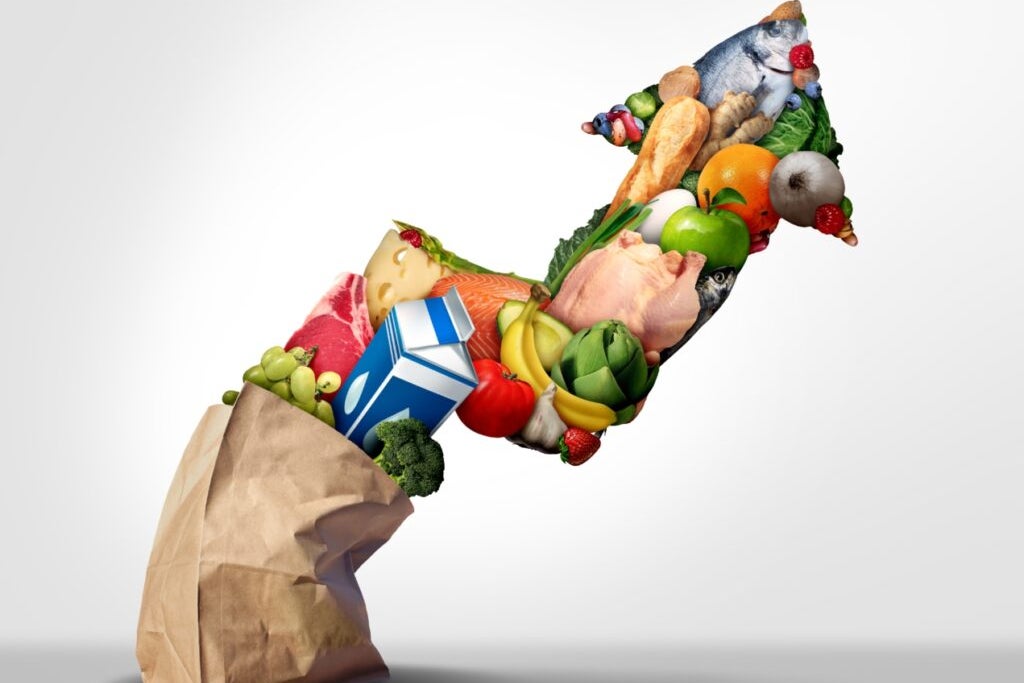
Rising Inflation Perception: A Wake-Up Call for Consumer Confidence
February has ushered in concerning shifts in consumer sentiment, particularly regarding the perception of inflation. Economists have reported an ‘unusually large’ increase in how consumers view inflation, which raises critical questions about future spending patterns and overall economic stability. This article delves into the implications of rising inflation perception and its potential impact on consumer confidence, spending behavior, and the broader economy.
Understanding Inflation Perception
Inflation perception refers to the way consumers perceive changes in the prices of goods and services over time. It’s important to note that this perception can differ significantly from actual inflation rates reported by government agencies. For instance, while the Consumer Price Index (CPI) might indicate a certain rate of inflation, consumers may feel that prices are rising faster based on their personal experiences with everyday purchases.
In recent months, consumers have been vocal about their feelings regarding inflation. Factors such as rising gas prices, increased grocery bills, and the overall cost of living have contributed to a heightened sense of inflation among the public. This perception can heavily influence consumer behavior, leading to changes in spending habits that can ripple through the economy.
The Recent Shift in Consumer Sentiment
The uptick in inflation perception observed in February is not merely a statistical anomaly; it’s a reflection of broader economic realities. As prices for essential goods continue to climb, consumers are becoming increasingly concerned about their purchasing power. A recent survey indicated that nearly 70% of respondents believe that inflation will continue to rise in the coming months, marking a significant increase from previous surveys.
This shift in sentiment is particularly noteworthy because consumer confidence is a crucial driver of economic health. When consumers feel uncertain about their financial futures, they are less likely to spend money, which can lead to a slowdown in economic growth. In essence, rising inflation perception serves as a wake-up call for both consumers and policymakers alike.
Impact on Consumer Spending
The connection between inflation perception and consumer spending is well-documented. When consumers believe that prices will rise, they may rush to make purchases now rather than delaying them. This behavior can lead to short-term spikes in spending, but it often results in a pullback once the initial surge subsides. Here are some key ways that rising inflation perception can affect consumer spending:
- Increased Immediate Purchases: Anticipating higher costs, consumers may choose to buy large-ticket items sooner, leading to temporary boosts in sales for certain sectors.
- Shift to Budgeting: As inflation perception rises, consumers may start to budget more strictly, cutting back on non-essential items.
- Focus on Value: Consumers may become more discerning, seeking discounts, promotions, or cheaper alternatives as they prioritize value over brand loyalty.
Additionally, sectors such as retail, hospitality, and travel may see varied impacts. For example, while discount retailers might benefit from increased traffic, luxury brands may struggle as consumers tighten their belts. This shift in spending can create a complex landscape for businesses trying to navigate changing consumer priorities.
The Broader Economic Implications
Rising inflation perception isn’t just a concern for consumers; it also has broader implications for the economy. Here are a few key aspects to consider:
- Monetary Policy Adjustments: Central banks, like the Federal Reserve, closely monitor inflation perception since it can influence interest rate decisions. If perception shifts too dramatically, it may prompt quicker responses to stabilize the economy.
- Business Investment Decisions: Companies may become cautious in their investment strategies if they sense a downturn in consumer confidence. This can lead to slower growth and reduced job creation.
- Long-term Inflation Expectations: If consumers begin to expect persistent inflation, it can create a self-fulfilling prophecy, leading to wage demands and price-setting behavior that perpetuates inflationary pressures.
Managing Consumer Confidence
So, how can consumers and policymakers respond to the rise in inflation perception? Here are some strategies and insights:
- Educating Consumers: Providing clear, accurate information about inflation trends can help mitigate fears and build confidence. Understanding what drives inflation and how it affects purchasing power can empower consumers.
- Encouraging Savings: Financial literacy programs can assist consumers in budgeting and saving effectively, allowing them to navigate periods of inflation with greater ease.
- Policymaker Transparency: Governments and central banks should maintain open channels of communication to reassure the public about their commitment to managing inflation responsibly.
Conclusion: A Call to Action
As February’s data highlights rising inflation perception as a significant concern, it serves as a wake-up call for both consumers and policymakers. Understanding the interplay between consumer sentiment and economic stability is crucial for navigating this delicate landscape. While rising prices can create anxiety, proactive measures can help bolster consumer confidence and ensure a more resilient economy moving forward.
Ultimately, addressing inflation perception requires a concerted effort from all stakeholders. Consumers must remain informed and adaptable, while businesses and governments must prioritize transparency and responsiveness to changing economic conditions. By working together, we can foster a more stable economic environment that promotes confidence and sustainable growth.
See more CCTV News Daily