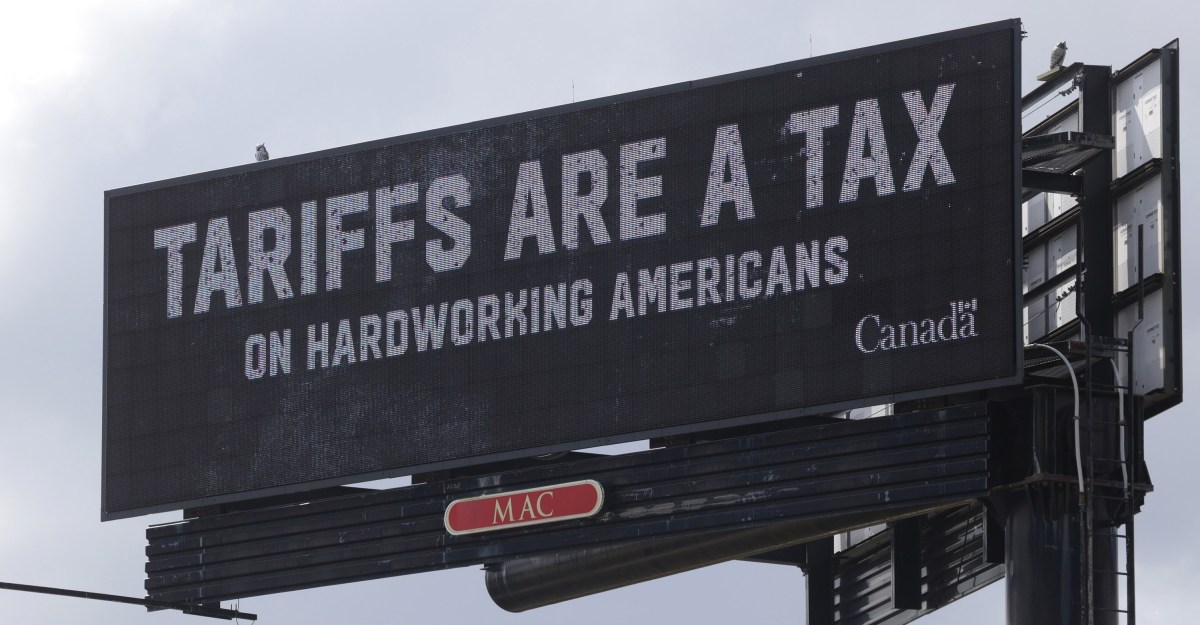
Decoding Trump’s Tariffs: Economic Strategy or Trade War?
Former President Donald Trump’s aggressive tariff policies reshaped U.S. trade relations between 2016-2020, imposing $380 billion in taxes on Chinese imports and sparking global economic tensions. These protectionist measures aimed to revive domestic manufacturing but triggered retaliatory actions, supply chain disruptions, and heated debates among economists. As political discussions about renewed tariffs emerge, businesses and consumers face renewed uncertainty about costs, trade flows, and market stability.
The Anatomy of Trump’s Trade Policy
Trump’s tariff strategy primarily targeted China through Section 301 of the Trade Act of 1974, alleging intellectual property theft and unfair trade practices. The U.S. Trade Representative imposed four waves of tariffs between 2018-2019, affecting:
- Over 12,000 imported products from China
- Key industrial materials like steel (25%) and aluminum (10%)
- Consumer goods ranging from electronics to furniture
“The tariffs were a blunt instrument designed to force trading partners to the negotiating table,” explains Dr. Linda Chen, trade economist at the Peterson Institute. “While they achieved some policy wins like the USMCA agreement, the collateral damage to U.S. businesses was substantial.”
Economic Impacts: Winners and Losers
U.S. government data reveals mixed results from the tariff policies. The Congressional Budget Office estimates tariffs reduced real GDP by 0.3% annually while the U.S. International Trade Commission found they:
- Boosted domestic steel production by 4.3%
- Increased costs for manufacturers by $16 billion yearly
- Generated $79 billion in tariff revenue (2018-2021)
Midwestern farmers became unintended casualties when China retaliated with 25% tariffs on soybeans, causing a 75% drop in exports to what was previously their largest market. “We supported the president’s goals but became pawns in this trade war,” says Iowa soybean farmer Mark Johnson. “It took years and billions in subsidies to recover.”
Global Trade Ramifications
The tariffs disrupted established supply chains, prompting companies to:
- Shift production to Vietnam, Mexico, and other Southeast Asian nations
- Absorb costs through reduced profit margins (averaging 1.5-3%)
- Pass price increases to consumers (estimated 0.5% annual inflation)
European Union Trade Commissioner Valdis Dombrovskis noted, “The unilateral approach created unnecessary friction among allies. Modern trade challenges require coordinated solutions, not zero-sum tactics.”
Political Calculus Behind the Tariffs
Analysts identify three key motivations for Trump’s trade policy:
- Fulfilling campaign promises to protect blue-collar workers
- Addressing China’s alleged unfair trade practices
- Leveraging economic pressure for geopolitical negotiations
The strategy yielded the Phase One trade deal in 2020, where China pledged to purchase $200 billion in additional U.S. goods. However, the Peterson Institute found China only met 58% of these targets by the agreement’s expiration.
Future Outlook: Potential Policy Resurgence
With Trump proposing across-the-board 10% tariffs if reelected, businesses are preparing for possible scenarios:
- Renewed inflation pressures on consumer goods
- Further supply chain diversification away from China
- Increased focus on domestic manufacturing incentives
“The next wave of tariffs would likely be more surgical,” predicts Georgetown University trade professor Marcus Reynolds. “Policymakers now have years of data showing which measures actually protect jobs versus those that simply raise costs.”
As global trade dynamics continue evolving, stakeholders must stay informed about potential policy shifts. Subscribe to our trade policy newsletter for ongoing analysis of how tariffs may affect your industry and investments.
See more CCTV News Daily