Trump Takes Bold Step to Challenge China’s Grip on Critical Minerals
In a strategic maneuver to counter China’s dominance in the global critical minerals market, former President Donald Trump signed an executive order on Tuesday to accelerate deep-sea mining initiatives in U.S. waters. The directive aims to bolster domestic supply chains for rare earth elements essential for defense, technology, and green energy, potentially reshaping geopolitical resource competition.
The Global Race for Critical Minerals Intensifies
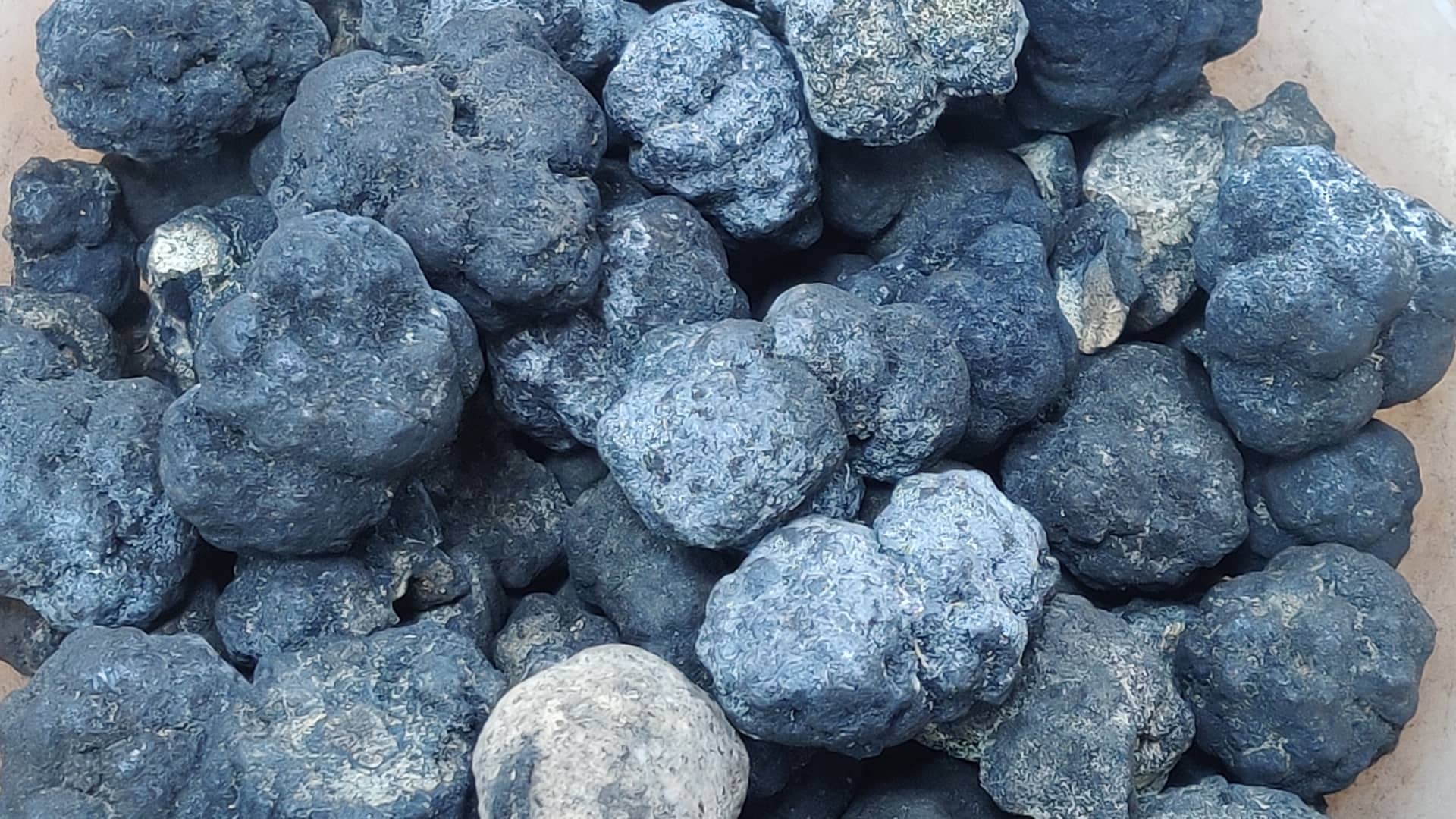
The U.S. Geological Survey estimates China currently controls 60% of global rare earth production and 85% of processing capacity. These minerals—including cobalt, lithium, and manganese—are vital for manufacturing electric vehicle batteries, wind turbines, and advanced weaponry. Trump’s order specifically targets polymetallic nodules on the ocean floor, which contain high concentrations of these materials.
“This is about economic security as much as national defense,” said Dr. Sarah Chen, a geopolitical analyst at the Atlantic Council. “Whoever controls these supply chains controls the 21st-century economy. The U.S. has been asleep at the wheel while China built strategic stockpiles over decades.”
How Deep-Sea Mining Could Reshape Supply Chains
The executive order outlines three key actions:
- Fast-tracking permits for exploration in the Clarion-Clipperton Zone (Pacific Ocean)
- Allocating $2.1 billion from the Defense Production Act for extraction technology
- Establishing partnerships with Canada, Australia, and Japan for joint research
According to MIT research, a single square kilometer of ocean floor may contain more cobalt than all terrestrial reserves combined. However, the International Seabed Authority reports only 17% of ocean mineral resources have been mapped in detail.
Environmental Concerns Clash With Economic Imperatives
Marine biologists warn that deep-sea mining could devastate fragile ecosystems. A 2022 study in Nature found that sediment plumes from extraction operations can travel up to 100 kilometers, smothering coral and plankton populations.
“We’re trading one crisis for another,” remarked Dr. Ellen Park of the Ocean Conservancy. “The mining technology is still primitive—it’s like using dynamite for fishing. We need proper environmental impact assessments before rushing into this.”
Proponents counter that land-based mining often creates worse ecological damage. The World Bank estimates terrestrial mining accounts for 10% of global energy-related emissions, compared to projected 2-4% for deep-sea operations.
Geopolitical Implications of the Resource Power Play
China currently holds 80% of the world’s processing capacity for rare earth minerals, giving it substantial leverage in trade negotiations. During the 2019 trade war, Beijing threatened to restrict exports to U.S. defense contractors—a move that would have grounded F-35 production within months.
“This isn’t just about economics—it’s about preventing coercion,” said former Pentagon official Mark Tolbert. “When you control the minerals, you control the manufacturing base for everything from smartphones to hypersonic missiles.”
The U.S. initiative coincides with the European Union’s Critical Raw Materials Act and Japan’s $500 million investment in alternative supply chains, signaling a coordinated Western response to China’s resource dominance.
What Comes Next in the Underwater Gold Rush?
Industry analysts predict several developments:
- Legal battles over international waters jurisdiction
- Increased M&A activity among mining startups
- Pressure on automakers to secure “conflict-free” mineral supplies
While the first commercial operations could begin by 2026, experts caution that building complete supply chains will take a decade. “Mining is just step one,” noted commodities analyst Raj Patel. “Without refining facilities and manufacturing partnerships, we’ll just be shipping nodules to China for processing—defeating the whole purpose.”
As the world transitions to renewable energy, demand for critical minerals is projected to increase 500% by 2050. Whether Trump’s gamble pays off may determine whether the U.S. maintains technological leadership or cedes control to geopolitical rivals. For policymakers and investors alike, the stakes have never been higher.
Call to Action: Stay informed about shifting resource geopolitics by subscribing to our energy and policy newsletter for weekly expert analysis.
See more CCTV News Daily