Rising Costs: How Dollar General’s Customers Are Struggling to Afford Essentials
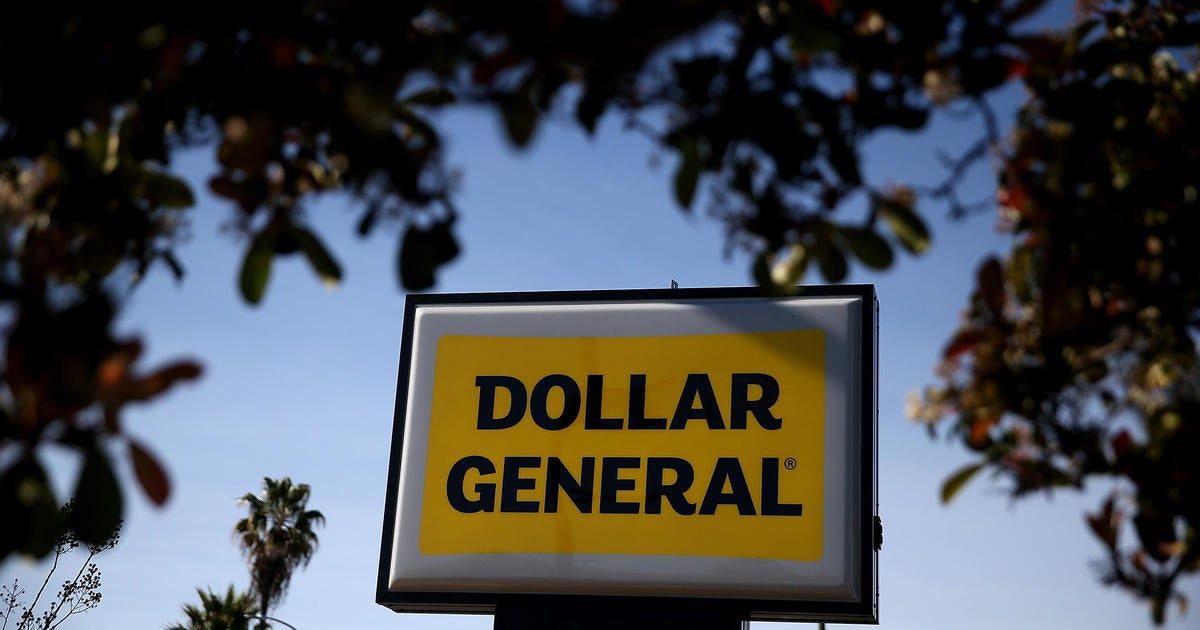
As inflation continues to surge, many households across the United States are feeling the pinch in their budgets. This financial strain is particularly evident among customers of discount retailers like Dollar General. With prices climbing steadily, individuals and families are facing significant challenges in affording basic necessities. This article dives into the implications of rising costs for Dollar General shoppers, the broader impact on low-income families, and the retail sector as a whole.
The Impact of Inflation on Household Budgets
Inflation, a sustained increase in prices, erodes purchasing power. For many Americans, this means that their income stretches less far than it used to. Basic essentials such as food, toiletries, and household supplies have seen notable price hikes. According to the Bureau of Labor Statistics, the Consumer Price Index (CPI) has recorded significant increases in various categories, with essential goods often being at the forefront.
For Dollar General’s customers, who often rely on the store for affordable options, these rising costs create a painful dilemma. Many of these shoppers are low-income individuals or families who have limited financial flexibility. When prices increase, they often must make tough choices regarding their purchases, which can lead to food insecurity and other hardships.
How Dollar General Is Affected
Dollar General has positioned itself as a go-to retailer for budget-conscious shoppers. The company prides itself on providing a broad range of products at low prices, making it a lifeline for many struggling families. However, the rising costs of goods have begun to affect even discount retailers. Here are a few areas where Dollar General is feeling the pressure:
- Increased Supplier Costs: As manufacturers face rising costs for raw materials and production, these expenses are often passed down to retailers. Dollar General has had to adjust its pricing strategies to keep up.
- Inventory Challenges: With supply chain disruptions continuing, maintaining inventory has become a struggle. This situation can lead to empty shelves and limited product availability, further frustrating customers.
- Consumer Behavior Shifts: As customers feel the financial strain, they may change their shopping habits, opting for fewer items or switching to even lower-cost alternatives.
Challenges Faced by Customers
For many Dollar General customers, the rising costs translate to a multitude of struggles:
- Food Insecurity: With grocery prices climbing, many customers find it increasingly difficult to afford enough food for their families. This situation is exacerbated for those who rely solely on low-wage jobs or government assistance.
- Cutting Back on Essentials: Some shoppers are forced to forego basic necessities like cleaning supplies or personal hygiene products to prioritize food and housing expenses. This can have adverse effects on health and well-being.
- Increased Debt Levels: To cope with rising prices, some customers may resort to credit cards or loans, leading to increased debt that can spiral out of control.
Broader Implications for Low-Income Families
The struggles of Dollar General’s customers reflect a larger trend affecting low-income families across the nation. The challenge of affording essentials is not isolated to those shopping at discount retailers; it is a widespread issue that has far-reaching implications.
As inflation persists, many families may find themselves trapped in a cycle of poverty, where rising costs hinder their ability to save or invest in their futures. This can lead to:
- Health Disparities: When families cannot afford nutritious food, their health can suffer, leading to a range of chronic diseases that require medical attention.
- Educational Challenges: Children from low-income families may struggle to concentrate in school when they are hungry or lack necessary supplies, affecting their educational outcomes.
- Increased Reliance on Assistance Programs: More families may turn to food banks, government assistance, and community programs, putting additional strain on these resources.
The Retail Sector’s Response
The retail sector is also feeling the effects of these economic pressures. Retailers are adjusting their strategies to meet the changing needs of consumers. Here are some ways in which the sector is responding:
- Price Adjustments: Retailers, including Dollar General, are reevaluating their pricing structures to remain competitive while still covering increased costs.
- Product Diversification: Many retailers are expanding their product lines to include more affordable options to cater to budget-conscious shoppers.
- Community Support Initiatives: Some retailers are partnering with local organizations to provide food and resources to struggling families, fostering goodwill and community support.
Looking Ahead: Potential Solutions
While the situation may seem bleak, there are potential avenues for alleviating the burden on Dollar General’s customers and low-income families. Here are some solutions that could help:
- Policy Changes: Advocating for minimum wage increases and improved labor rights can help ensure that workers can afford basic necessities.
- Food Assistance Programs: Expanding access to programs like SNAP can help families afford nutritious food, thereby improving overall health and well-being.
- Community Engagement: Encouraging local businesses and organizations to collaborate on initiatives that support low-income families can strengthen community ties and provide necessary resources.
Conclusion
The rising costs of essentials have created significant challenges for Dollar General’s customers, many of whom are already navigating tight budgets. As inflation continues to shape the economic landscape, it is crucial to recognize the broader implications for low-income families and the retail sector. By understanding these challenges and working towards effective solutions, we can help ensure that all individuals and families have access to the necessities they need to thrive.
Through community support, policy advocacy, and strategic adjustments from retailers, there is hope for better days ahead. Together, we can build a more equitable future where everyone can afford the essentials.
See more CCTV News Daily