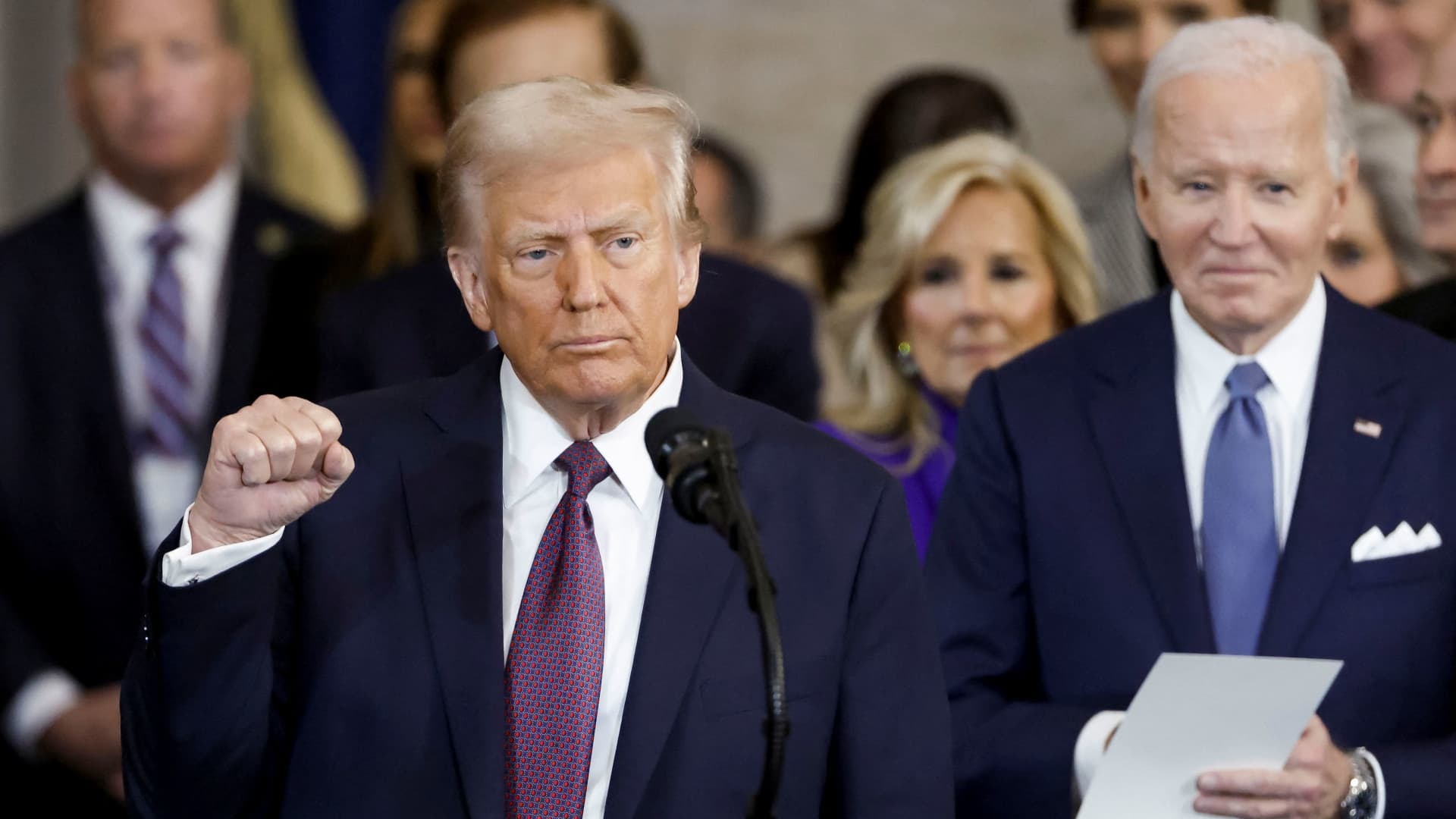
Economic Turmoil: Can Trump’s Vision Revive the Biden Era’s Challenges?
As the United States grapples with a troubling economic landscape marked by rising inflation, supply chain disruptions, and lagging employment rates, the debate around viable solutions is heating up. Commerce Secretary Lutnick has recently suggested that the answer may lie in the policies of former President Donald Trump. This assertion invites a critical examination: can Trump’s vision effectively address the challenges that have emerged during the Biden era?
The Current Economic Landscape
To understand the potential effectiveness of Trump’s policies, it’s essential to gauge the current economic indicators. As of late 2023, the U.S. economy is facing:
- High Inflation Rates: Despite efforts to stabilize prices, inflation remains stubbornly high, affecting consumer purchasing power.
- Supply Chain Issues: Global supply chain disruptions continue to impact various sectors, leading to shortages and delays.
- Unemployment Challenges: While job creation has seen some recovery, many sectors still struggle with labor shortages and skill mismatches.
These factors contribute to a complex economic scenario that demands innovative solutions. The question arises: can Trump’s approach to economic policy provide a remedy for these ongoing issues?
Trump’s Economic Policies: A Quick Overview
During his presidency, Donald Trump implemented several key economic policies that garnered both praise and criticism. Key elements of his economic strategy included:
- Tax Cuts: The Tax Cuts and Jobs Act of 2017 was designed to stimulate growth by reducing corporate tax rates and providing tax relief to individuals.
- Deregulation: Trump focused on rolling back regulations across various industries, arguing that this would foster business growth and innovation.
- Trade Policies: His administration’s approach to trade included renegotiating NAFTA (now USMCA) and imposing tariffs on various goods, particularly from China, in an effort to protect American jobs.
Supporters argue that these policies led to economic growth prior to the pandemic, while critics contend that they disproportionately favored the wealthy and contributed to increased national debt.
Can Trump’s Vision Address Current Economic Challenges?
As we consider whether Trump’s vision can revive the Biden era’s challenges, it’s vital to analyze specific areas where his policies might have an impact.
Inflation Control
One of the primary concerns today is inflation. Trump’s approach to economic growth emphasized supply-side economics, which some believe could help mitigate inflation through enhanced productivity. By cutting taxes and reducing regulations, he aimed to stimulate business investment, which in theory could lead to increased supply and ultimately lower prices.
However, inflation is also influenced by external factors such as global energy prices and supply chain dynamics. Critics argue that simply replicating Trump’s past policies may not be sufficient to tackle these complex issues.
Job Creation and Labor Market Dynamics
Regarding employment, Trump’s policies focused on stimulating job growth through tax incentives and deregulation. If reinstated, these measures could potentially encourage businesses to hire more workers. However, the labor market has evolved significantly since Trump’s presidency. Current challenges include:
- Worker Shortages: Many industries are struggling to find qualified workers, necessitating a focus on education and training.
- Remote Work Trends: The rise of remote work has changed employer-employee dynamics, requiring new policies to address flexibility and work-life balance.
For Trump’s vision to be effective, it may need to adapt to the realities of today’s labor market, emphasizing not just job creation but also workforce development.
Supply Chain Resilience
Trump’s trade policies aimed to bolster American manufacturing by prioritizing domestic production. In light of recent supply chain challenges, a return to such policies could help strengthen American industry. However, it’s essential to balance these measures with the need for global cooperation and trade partnerships to ensure that supply chains remain robust.
Potential Challenges and Critiques
While there is a compelling case for revisiting some of Trump’s economic policies, there are challenges and critiques that must be acknowledged:
- Increased National Debt: Critics argue that Trump’s tax cuts significantly contributed to the national debt. Any revival of these policies must consider fiscal responsibility.
- Social Equity: Ensuring that economic growth benefits all segments of society is vital. Past policies have been critiqued for favoring the wealthy, and any new approach must prioritize inclusivity.
- Global Economic Factors: The interconnectedness of the global economy means that domestic policies alone may not suffice in addressing challenges like inflation and supply chain disruptions.
A Balanced Approach: Integrating Policies
To effectively tackle the economic turmoil, a hybrid approach that incorporates elements from both Trump’s and Biden’s policies may be necessary. For example:
- Tax Relief with Social Responsibility: A balanced tax approach that provides relief while ensuring funding for essential services could create a fairer economic landscape.
- Deregulation with Accountability: Streamlining regulations to promote business growth while maintaining oversight to protect consumers and the environment could foster sustainable development.
- Investment in Workforce Development: Focusing on education and training programs can help bridge the gap in labor shortages, ensuring that workers are equipped for the jobs of the future.
Conclusion: The Path Forward
The current economic turmoil presents a complex set of challenges that are deeply intertwined with past policies and future possibilities. While Trump’s vision offers some intriguing solutions, it must be adapted to today’s economic realities and the unique challenges that have emerged during the Biden era.
Ultimately, a collaborative approach that draws from various economic philosophies and recognizes the multifaceted nature of today’s economy may hold the key to revival. As policymakers navigate this landscape, the focus should remain on fostering sustainable growth that benefits all Americans, ensuring that the lessons of the past inform a brighter economic future.
See more CCTV News Daily