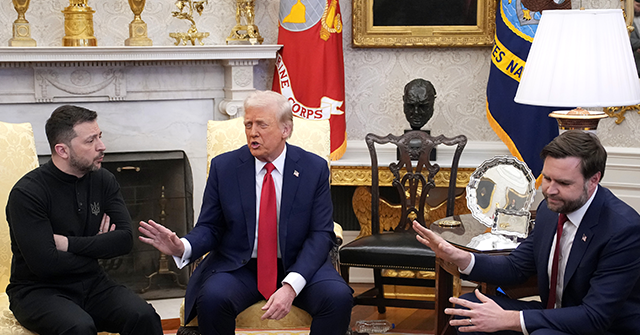
Unpacking the Economic Landscape: Trump’s Resolve, Zelensky’s Challenges, and the Rise of ‘Fortress North America’
In today’s rapidly evolving global economy, marked by geopolitical tensions and shifting alliances, the economic landscape presents a complex tapestry of challenges and opportunities. At the forefront of this analysis are three pivotal figures: Donald Trump, whose political resolve continues to shape economic discourse; Volodymyr Zelensky, the Ukrainian president navigating dire circumstances; and the concept of ‘Fortress North America’, a burgeoning idea that emphasizes economic self-sufficiency and regional solidarity.
Trump’s Economic Resolve: A Steadfast Approach
Donald Trump’s influence on the U.S. economy remains profound, even years after his presidency. His policies and rhetoric continue to resonate with a significant segment of the American populace, especially regarding trade and industrial policy. Trump’s advocacy for American manufacturing and a skeptical view of globalization has led to a reconsideration of how America engages with international markets.
Despite the challenges posed by the COVID-19 pandemic and subsequent economic disruptions, the resilience of U.S. markets has been notable. Factors contributing to this resilience include:
- Strong Consumer Spending: American consumers have shown an unwavering willingness to spend, which has been a key driver of economic recovery.
- Technological Innovation: The tech sector continues to thrive, with advancements in AI, renewable energy, and biotech fueling growth.
- Labor Market Recovery: A recovering job market, despite setbacks, has led to increased confidence among consumers and businesses alike.
Trump’s unwavering focus on ‘America First’ policies underscores a belief that prioritizing domestic interests can foster a more robust economy. This perspective is gaining traction as uncertainties in global supply chains and international relations prompt discussions about economic nationalism. As we unpack these dynamics, it’s essential to consider how Trump’s resolve influences both domestic and international economic strategies.
Zelensky’s Challenges: The Ukrainian Struggle
On the other side of the globe, Volodymyr Zelensky faces unprecedented challenges as Ukraine grapples with the repercussions of ongoing conflict and economic instability. The war has not only devastated the nation’s infrastructure but has also strained its economy, compelling Zelensky to navigate a treacherous political landscape both at home and abroad.
The challenges Zelensky faces can be categorized into several key areas:
- International Support: While Ukraine has garnered substantial international backing, sustaining this support amidst changing global priorities and political climates is crucial.
- Internal Political Stability: Maintaining unity within a war-torn nation is essential. Zelensky must balance various political factions while addressing the needs of citizens affected by the conflict.
- Economic Recovery: Post-war recovery will necessitate significant investment and reform. Zelensky’s government must work diligently to rebuild the economy, focusing on sectors such as agriculture and technology.
Zelensky’s leadership is symbolic of resilience, but it also raises questions about the future of international alliances and the extent to which countries are willing to commit resources to support Ukraine. As the global political landscape shifts, the ability of Ukraine to secure economic aid and military support will prove critical in the years to come.
The Rise of ‘Fortress North America’
As the world grapples with geopolitical instability, the notion of ‘Fortress North America’ is emerging as a response to the economic vulnerabilities laid bare by recent global events. This concept envisions a strengthened North American economic bloc—comprising the United States, Canada, and Mexico—focused on self-reliance and mutual support.
Key elements of the ‘Fortress North America’ strategy include:
- Trade Agreements: Strengthening trade agreements like the USMCA (United States-Mexico-Canada Agreement) to bolster regional trade and reduce reliance on distant supply chains.
- Investment in Infrastructure: Prioritizing infrastructure development can enhance transportation, logistics, and digital connectivity across North America.
- Energy Independence: Emphasizing energy cooperation among the three nations can lead to increased energy security and reduced dependence on foreign resources.
The idea of ‘Fortress North America’ resonates in a time when economic interdependence is being re-evaluated. By focusing on regional cooperation and resilience, North America could emerge as a formidable economic entity capable of weathering global uncertainties.
Implications for Global Markets
The interplay between Trump’s economic policies, Zelensky’s struggles, and the rise of ‘Fortress North America’ has significant implications for global markets. As nations recalibrate their economic strategies in response to geopolitical changes, several trends are likely to shape the future:
- Increased Protectionism: Countries may adopt more protectionist measures to safeguard domestic industries, potentially leading to trade tensions.
- Reshoring of Manufacturing: As supply chains are reassessed, more companies might consider moving production closer to home, enhancing local job markets but also raising costs.
- Investment in Tech and Green Energy: The push for innovation in technology and sustainable energy solutions will likely accelerate, with governments and private sectors investing heavily in these areas.
The resilience of global markets amid these challenges is commendable, but it requires a delicate balance of cooperation and competition. As nations navigate the complexities of their economic landscapes, the lessons learned from Trump’s resolve and Zelensky’s challenges will undoubtedly shape policies and alliances for years to come.
As we unpack the economic landscape shaped by Trump’s steadfast resolve, Zelensky’s formidable challenges, and the emergence of ‘Fortress North America’, it’s clear that the future holds both uncertainties and opportunities. The resilience of markets amidst these geopolitical shifts is a testament to human ingenuity and the enduring spirit of cooperation.
In a world increasingly defined by interdependence, the ability to adapt and innovate will be paramount. As nations strive for economic self-sufficiency while fostering international alliances, the path ahead will require thoughtful leadership and a commitment to shared prosperity. Indeed, the future of the global economy will hinge on how effectively we can navigate these complexities, ensuring that resilience and growth go hand in hand.
See more CCTV News Daily