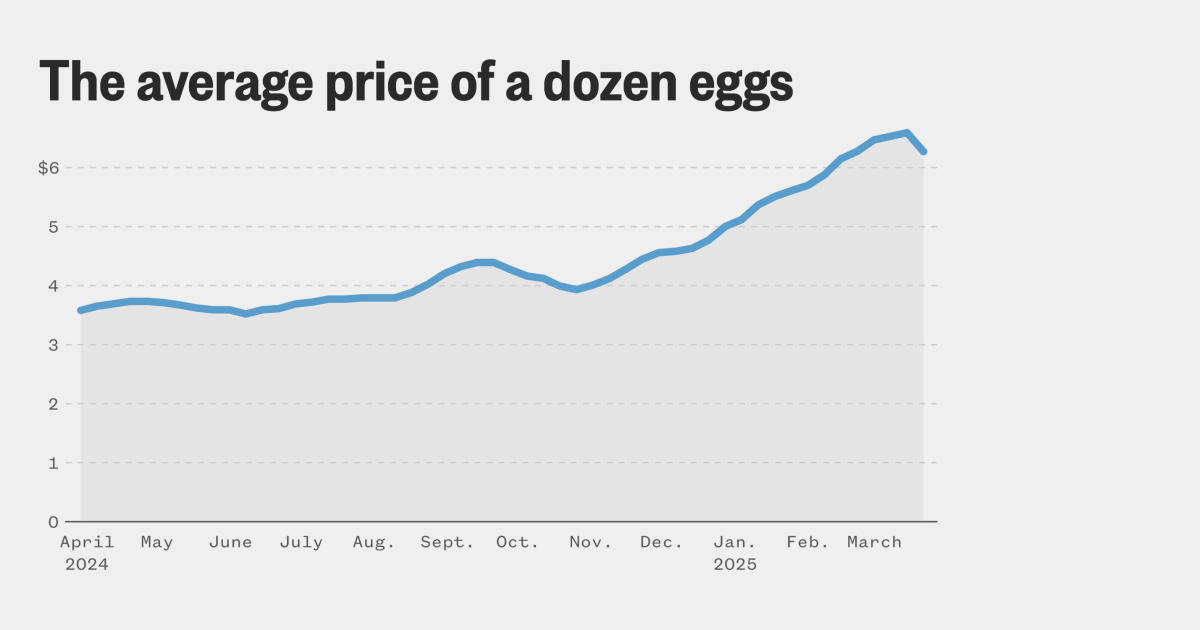
March Price Plunge: Unpacking the Egg Market’s Unexpected Trends
Egg prices have taken a surprising nosedive in March 2024, offering relief to consumers after years of volatility. The average price for a dozen large eggs dropped to $2.50—a 28% decrease from last year’s peak—according to USDA data. This dramatic shift stems from rebounding supply chains, stabilized avian flu outbreaks, and shifting consumer demand. Three revealing charts illustrate how these converging factors reshaped the market.
From Crisis to Correction: The Supply Chain Rebound
The egg market’s recovery traces back to the devastating 2022-2023 avian influenza outbreaks that wiped out 43 million laying hens—nearly 15% of U.S. flocks. However, recent USDA reports show:
- Layer hen populations rebounded to 385 million in Q1 2024
- New biosecurity measures reduced flu transmission by 62%
- Feed costs dropped 18% year-over-year
“We’re seeing a textbook supply correction,” explains Dr. Evelyn Carter, agricultural economist at Cornell University. “Producers overcompensated after the flu crisis, leading to temporary oversupply. The market should stabilize by summer as adjustments occur.”
Consumer Behavior Shifts Crack Demand Patterns
While supply factors dominate headlines, demand-side changes contributed equally to the price drop. NielsenIQ data reveals:
- Plant-based egg alternative sales grew 27% in 2023
- 15% of households reduced egg consumption due to cholesterol concerns
- Restaurant egg orders remain 11% below pre-pandemic levels
“Health trends and inflation fatigue created a perfect storm,” notes food industry analyst Mark Richardson. “Consumers diversified protein sources when prices peaked, and many haven’t returned to previous consumption levels.”
Regional Variations in the Egg Price Drop
The price decline hasn’t been uniform nationwide. USDA regional data shows:
| Region | Price Drop (YoY) | Current Avg. Price/Dozen |
|---|---|---|
| Northeast | 32% | $2.65 |
| Midwest | 25% | $2.30 |
| South | 29% | $2.40 |
| West | 34% | $2.85 |
Transportation costs and local production capacity explain these disparities. The West’s sharper decline reflects improved shipping logistics, while the Midwest’s smaller drop stems from sustained demand in poultry-producing states.
What’s Next for Egg Prices and Production?
Industry experts predict moderate price fluctuations through 2024:
- Short-term (3-6 months): Prices may dip another 5-8% before stabilizing
- Long-term: New vaccination protocols could prevent future supply shocks
- Wildcard: Potential feed cost increases from drought conditions
“Don’t expect pre-2020 prices to return permanently,” warns Carter. “Structural changes in production costs and consumer expectations have reset the baseline.”
Smart Shopping in the Current Egg Market
With prices in flux, consumers can maximize value by:
- Comparing unit prices (cost per ounce) across egg sizes
- Buying from local producers when possible
- Considering frozen or dried eggs for long-term storage
As the market continues evolving, one thing remains certain: the humble egg still cracks open fascinating insights into our complex food economy. For ongoing updates on food price trends, subscribe to our weekly agricultural market newsletter.
See more CCTV News Daily