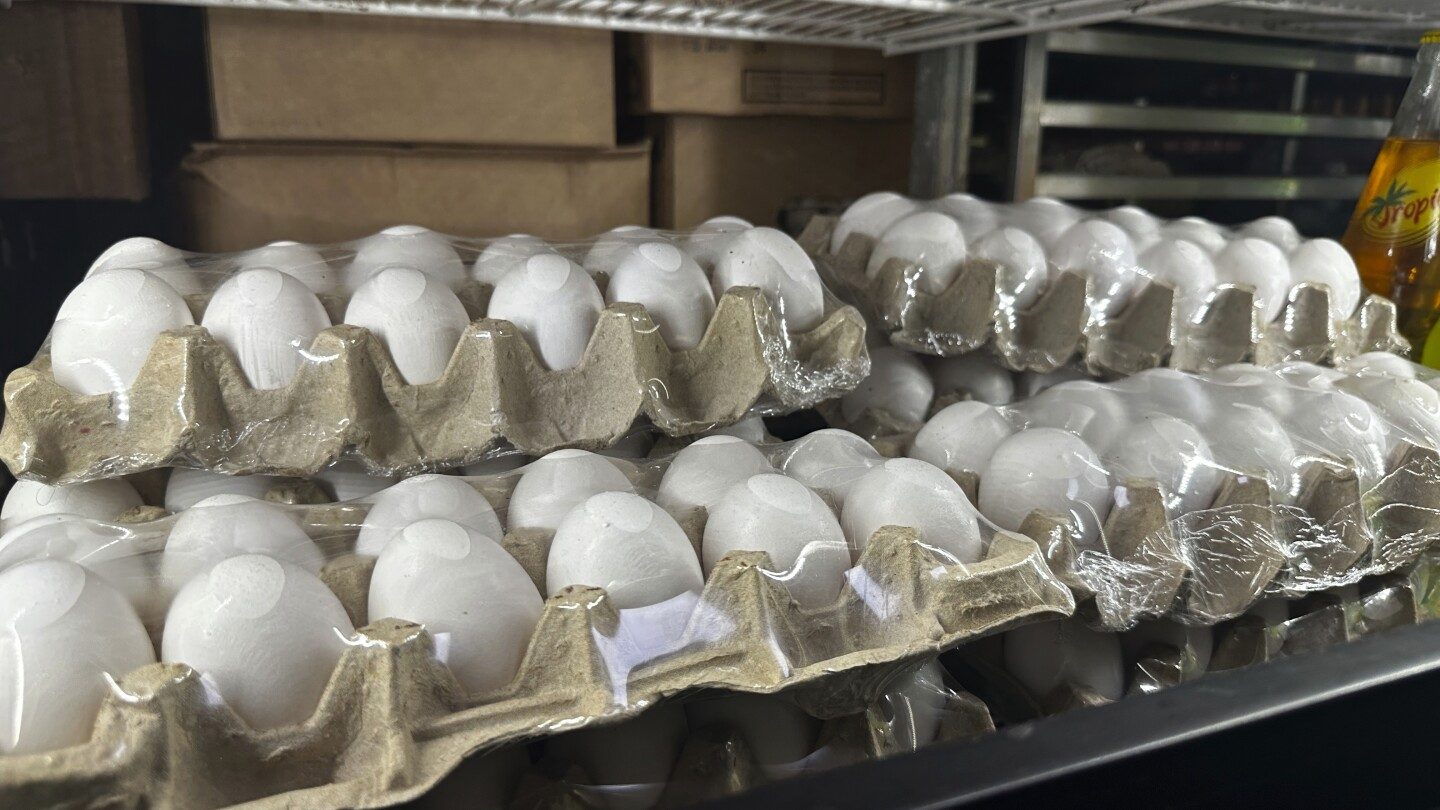
Soaring Egg Prices: The Factors Driving Costs to New Heights
In recent months, consumers across the United States have been shocked to discover that egg prices have skyrocketed to an astonishing average of $4.95 per dozen. This unprecedented price surge has raised eyebrows among households and businesses alike, prompting questions about the underlying causes and potential ramifications. As we delve into the complexities of this trend, it becomes essential to unpack the various factors driving these soaring egg prices and consider the implications for consumers and the broader market.
Understanding the Surge in Egg Prices
The current spike in egg prices can be attributed to a confluence of factors that have disrupted the supply chain, altered consumer behavior, and impacted production costs. To grasp the full picture, let’s explore these factors in detail.
1. Avian Influenza Outbreaks
One of the most significant contributors to the rising costs of eggs has been the resurgence of avian influenza (AI), commonly known as bird flu). This infectious disease has plagued poultry farms across the nation, resulting in the culling of millions of birds to contain outbreaks. According to the U.S. Department of Agriculture (USDA), the outbreaks have led to a dramatic reduction in the national flock size, directly impacting egg availability.
- Production Decrease: The loss of hens due to AI has created a supply shortage, which, coupled with consistent demand, naturally drives prices higher.
- Increased Biosecurity Measures: Poultry farmers have had to invest in enhanced biosecurity protocols to prevent further outbreaks, adding to their operational costs.
2. Feed Costs and Inflation
The price of feed has also risen significantly, driven by global inflation and supply chain disruptions. Corn and soybean meal, primary ingredients in poultry feed, have seen price hikes due to various factors, including:
- Climate Change: Extreme weather conditions, such as droughts and floods, have impacted crop yields and increased feed prices.
- Global Supply Chains: The ongoing repercussions of the COVID-19 pandemic have created challenges in logistics and transportation, further inflating costs.
As feed costs rise, producers often pass these expenses onto consumers, contributing to soaring egg prices.
3. Consumer Demand and Behavioral Shifts
In recent years, consumer preferences have also shifted, leading to increased demand for eggs. The pandemic sparked a surge in home cooking and baking, leading to greater egg consumption. Furthermore, as people became more health-conscious, eggs were recognized for their nutritional value, further amplifying demand.
- Increased Home Cooking: With more people preparing meals at home, the demand for versatile ingredients like eggs has surged.
- Health Trends: Eggs are often touted as a source of protein and essential nutrients, appealing to health-minded consumers.
4. Market Dynamics and Speculation
The egg market is also susceptible to speculation and market dynamics. When prices begin to rise, producers may hold back supply in anticipation of higher future prices. This behavior can exacerbate shortages and drive prices even higher, creating a vicious cycle.
Moreover, the interplay of local and national markets can create discrepancies in egg prices, as regional shortages or surpluses affect overall availability.
The Impact on Consumers
The implications of soaring egg prices are multifaceted, affecting not only consumers but also retailers and restaurants. Here’s how:
- Budget Strain: Families are feeling the pinch as they adjust their grocery budgets to accommodate rising prices, potentially leading to changes in dietary habits.
- Restaurant Costs: Restaurants that rely heavily on eggs for menu items face increased costs, which may lead to higher menu prices or the removal of certain items.
However, it’s worth noting that many consumers are finding ways to adapt. Some are seeking out alternative protein sources, while others are buying in bulk when prices drop, hoping to offset costs.
Looking Ahead: What’s Next for Egg Prices?
As we move forward, several factors will determine the trajectory of egg prices. Experts suggest that the situation may stabilize if:
- Biosecurity Measures Prove Effective: If poultry farmers can successfully manage and prevent further outbreaks of avian influenza, the supply of eggs may gradually improve.
- Feed Costs Stabilize: A reduction in feed prices due to improved crop yields could alleviate some pressure on producers.
- Consumer Demand Normalizes: If the heightened demand for eggs returns to pre-pandemic levels, it may help balance the market.
Nonetheless, the volatility of global markets suggests that fluctuations may continue, making it crucial for consumers to stay informed about market trends and adjust their purchasing strategies accordingly.
Soaring egg prices have undoubtedly posed challenges for consumers, but understanding the underlying factors can help us navigate this uncertain landscape. As everyone from farmers to consumers adapts to these shifting dynamics, it’s essential to approach the situation with resilience and flexibility. While the current prices might be daunting, history shows us that markets can stabilize, and with time, we may witness a return to more reasonable costs.
In the meantime, being mindful of personal budgets, exploring alternative food options, and staying informed about market conditions can empower consumers to weather this storm. Together, we can navigate the complexities of soaring egg prices, keeping our tables filled with this nutritious staple.
See more CCTV News Daily