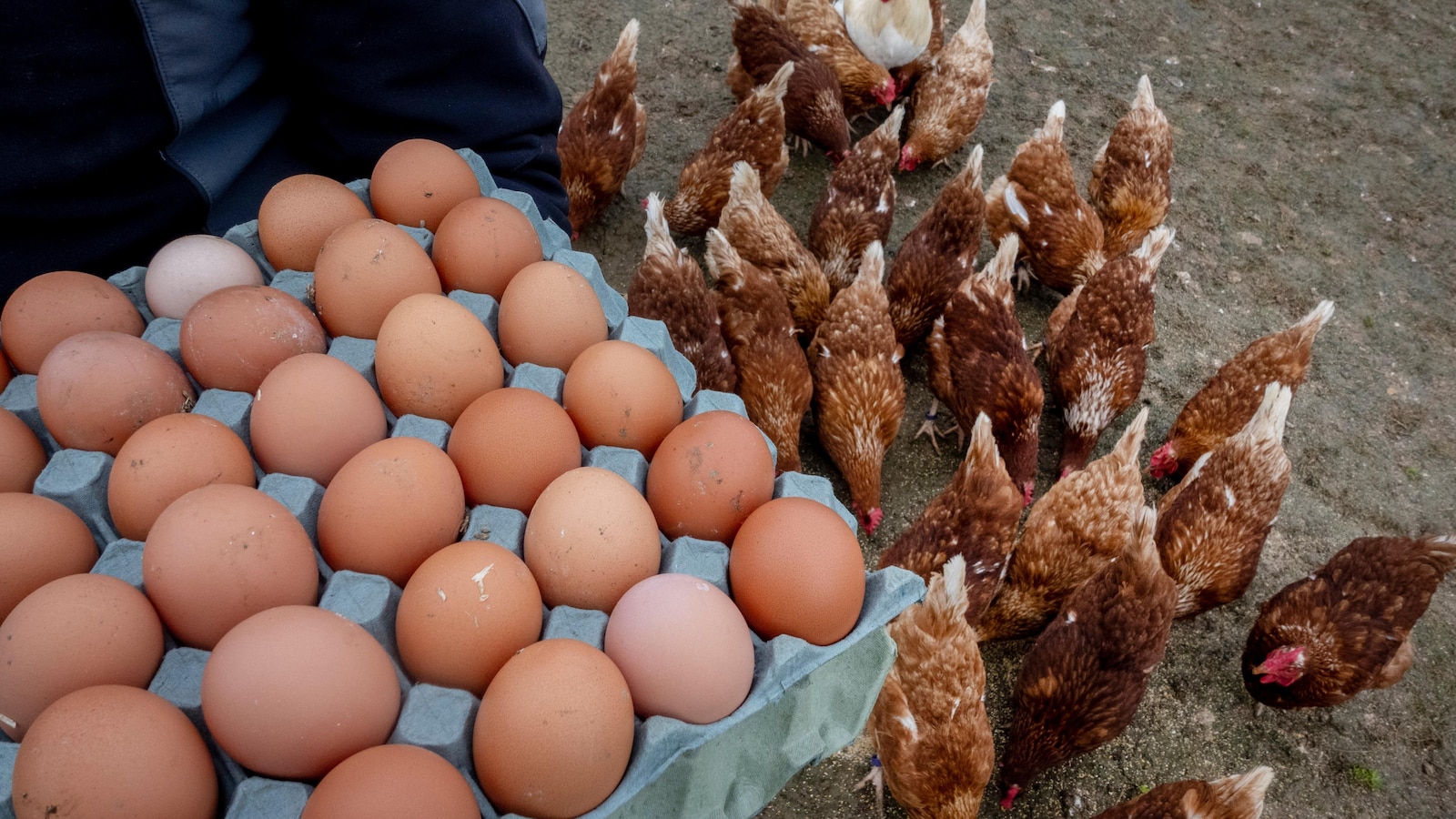
America’s Quest for Affordable Eggs: A European Solution?
As egg prices soar in the U.S., American buyers are turning their eyes across the Atlantic for potential relief. This exploration into Europe’s egg market reveals the complexities and challenges of sourcing affordable options. The recent surge in egg prices has left many consumers scrambling for alternatives, and with Europe’s reputation for diverse agricultural practices, it’s only natural that Americans wonder if European methods could provide a solution to their woes.
The Current State of Egg Prices in the U.S.
In recent years, the American egg market has faced unprecedented challenges. Factors such as inflation, supply chain disruptions, and avian influenza outbreaks have led to staggering increases in prices. For instance, in early 2023, the average price of a dozen eggs reached over $4.00, a dramatic rise from previous years. This surge has not only impacted consumer budgets but has also raised concerns about food security and the sustainability of domestic egg production.
Understanding the European Egg Market
While American consumers are grappling with high prices, Europe presents a different picture. The European Union (EU) has established regulations that prioritize animal welfare, environmental sustainability, and food safety. One notable aspect of the European egg market is the widespread adoption of cage-free farming practices. By 2023, the EU mandated that all eggs sold must come from cage-free systems, a move that has influenced egg production methods across the continent.
This focus on humane and sustainable practices could provide valuable insights for American producers struggling to meet demand while maintaining ethical standards. Moreover, Europe’s diverse agricultural landscape means that different countries have developed unique approaches to egg production, which could offer alternative models for the U.S.
Potential for Sourcing Affordable Eggs from Europe
As Americans look for affordable options, the potential to source eggs from Europe raises several questions. Would importing eggs from countries like the Netherlands, Germany, or France alleviate the price pressures faced by U.S. consumers? Here are some key considerations:
- Import Regulations: The U.S. has strict import regulations to ensure food safety. Eggs imported from Europe would need to comply with USDA standards, which could complicate sourcing efforts.
- Transportation Costs: The logistical challenges of transporting perishable goods across the Atlantic could offset any potential savings from lower European prices.
- Market Demand: The demand for eggs in Europe is also high, and increased competition for resources could limit the availability of surplus eggs for export.
Comparative Pricing and Quality
When considering a European solution to America’s egg crisis, it’s essential to analyze the pricing and quality of European eggs. Typically, European eggs might be priced lower than their U.S. counterparts due to different farming practices and subsidies. For example, countries like Spain and Poland have lower production costs, making their eggs more affordable.
However, consumers often rate the quality and freshness of European eggs highly, partly due to shorter supply chains and stricter regulations on farming practices. This could be a significant selling point for American consumers who are increasingly concerned about the source and quality of their food.
Lessons from Europe: Sustainable Practices and Innovation
Perhaps the most significant takeaway from Europe’s egg industry is its commitment to sustainability. European producers have embraced innovative farming technologies, such as:
- Smart Farming: The integration of technology in farming practices allows for better monitoring of hen welfare and egg production, enhancing efficiency.
- Organic and Free-Range Options: Many European consumers are willing to pay a premium for organic and free-range eggs, pushing producers to adapt and innovate.
- Waste Reduction Strategies: European farms often implement strategies to reduce waste, such as converting egg by-products into animal feed or bioenergy.
These practices could serve as a model for American producers looking to improve their operations and potentially lower costs in the long run. By investing in sustainable practices, American egg producers could not only address current price issues but also appeal to the growing consumer base that prioritizes ethically sourced food.
Consumer Preferences and Ethical Considerations
American consumers are increasingly vocal about their preferences for humane and environmentally friendly products. This shift in consumer behavior has prompted many producers to reassess their practices. The European emphasis on animal welfare and sustainability can, therefore, be an influential factor in shaping the future of the U.S. egg market.
As the demand for cage-free and organic eggs rises, American producers might benefit from following Europe’s lead. The transition toward more humane farming practices could not only help stabilize prices but also enhance consumer trust and brand loyalty.
Conclusion: A Collaborative Future?
America’s quest for affordable eggs may well benefit from looking toward Europe for inspiration. While the complexities of international trade and regulatory requirements present challenges, the lessons gleaned from European practices in sustainability and quality could pave the way for a more resilient egg market in the U.S.
Ultimately, the focus should not solely be on finding cheaper eggs but on fostering a sustainable and ethical egg production system that meets consumer demands while ensuring fair treatment of animals and the environment. As both American consumers and producers navigate these turbulent times, a collaborative approach that values quality and sustainability may indeed be the key to unlocking a brighter future for the egg industry.
See more CCTV News Daily