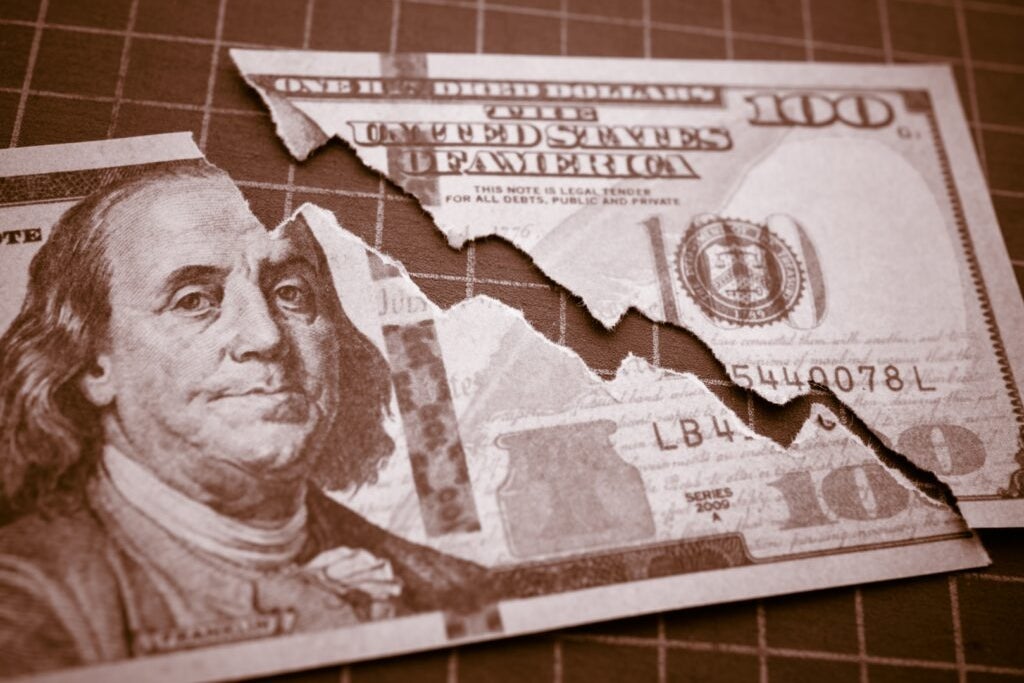
Economic Crossroads: Musk and Dalio Clash Over U.S. Financial Future
Elon Musk has publicly countered billionaire investor Ray Dalio’s grim economic forecasts this week, sparking debate about America’s financial trajectory. As these titans clash, major U.S. retailers are scrambling to revive supply chains by pressuring Chinese manufacturers to accelerate shipments. These parallel developments reveal deepening fractures in global economic stability as businesses and investors brace for potential turbulence.
Dalio’s Dire Warning Meets Musk’s Optimism
Bridgewater Associates founder Ray Dalio set off alarm bells Monday with his prediction of “a perfect storm” facing the U.S. economy. The hedge fund manager pointed to:
- Mounting debt levels exceeding $34 trillion
- Escalating geopolitical tensions
- Declining productivity growth (1.4% in Q1 2024)
- Potential dollar weakening
Elon Musk responded bluntly on X (formerly Twitter): “Ray’s track record is impressive, but America’s capacity for innovation remains unmatched. Betting against the U.S. has historically been a losing move.” The Tesla CEO pointed to emerging technologies like AI and renewable energy as economic catalysts.
Meanwhile, National Retail Federation data shows 78% of major U.S. retailers have activated contingency plans with Chinese suppliers following pandemic-era disruptions. Walmart, Target, and Home Depot are reportedly offering financial incentives for expedited shipments ahead of the holiday season.
“We’re seeing a fundamental shift in retailer-supplier dynamics,” explained MIT supply chain expert Dr. Lisa Chen. “After years of just-in-time inventory models, companies are stockpiling while simultaneously demanding more flexible terms from manufacturers.”
The China Factor in Global Trade Equations
The push to revive Chinese shipments comes despite:
- Ongoing trade tensions (U.S.-China goods trade fell 14% in 2023)
- Rising labor costs in coastal Chinese provinces (up 18% since 2020)
- Increasing diversification to Vietnam, India, and Mexico
“China remains the 800-pound gorilla in manufacturing,” noted trade analyst Mark Richardson. “But the current negotiations reveal how retailers are walking a tightrope between cost efficiency and supply chain resilience.”
Divergent Economic Philosophies Collide
The Musk-Dalio exchange highlights competing visions for economic stability. Dalio emphasizes cyclical patterns and debt burdens, while Musk champions technological disruption as an economic game-changer.
Federal Reserve data supports aspects of both arguments:
| Metric | Current Status | 5-Year Trend |
|---|---|---|
| Corporate Debt/GDP | 48.1% | +6.2% |
| Tech Sector Growth | 7.3% annualized | +22% since 2019 |
| Manufacturing PMI | 49.7 | Volatile (45-55 range) |
Retail Sector’s Calculated Gambles
Major retailers appear to be hedging their bets. While renewing Chinese partnerships, many are simultaneously:
- Investing in automation (17% increase in 2024 budgets)
- Developing near-shoring alternatives
- Building 30-60 day inventory buffers (up from 7-14 days pre-pandemic)
“This isn’t about abandoning China,” explained Target COO John Mulligan in a recent earnings call. “It’s about creating optionality in an uncertain environment while meeting customer expectations for availability.”
What Comes Next at This Economic Crossroads?
The coming months may prove decisive for both macroeconomic policy and trade strategies. Key indicators to watch include:
- Q3 productivity data (due November 2)
- Holiday season sales figures
- Federal Reserve interest rate decisions
- China’s response to U.S. trade pressures
As Harvard economist Dr. Rebecca Torres observes: “We’re seeing the collision of long-term structural concerns with short-term operational realities. How businesses and policymakers navigate this tension will shape the next economic chapter.”
For investors and business leaders, the current climate demands both vigilance and adaptability. Follow our continuing coverage for analysis of upcoming economic reports and their implications across sectors.
See more CCTV News Daily