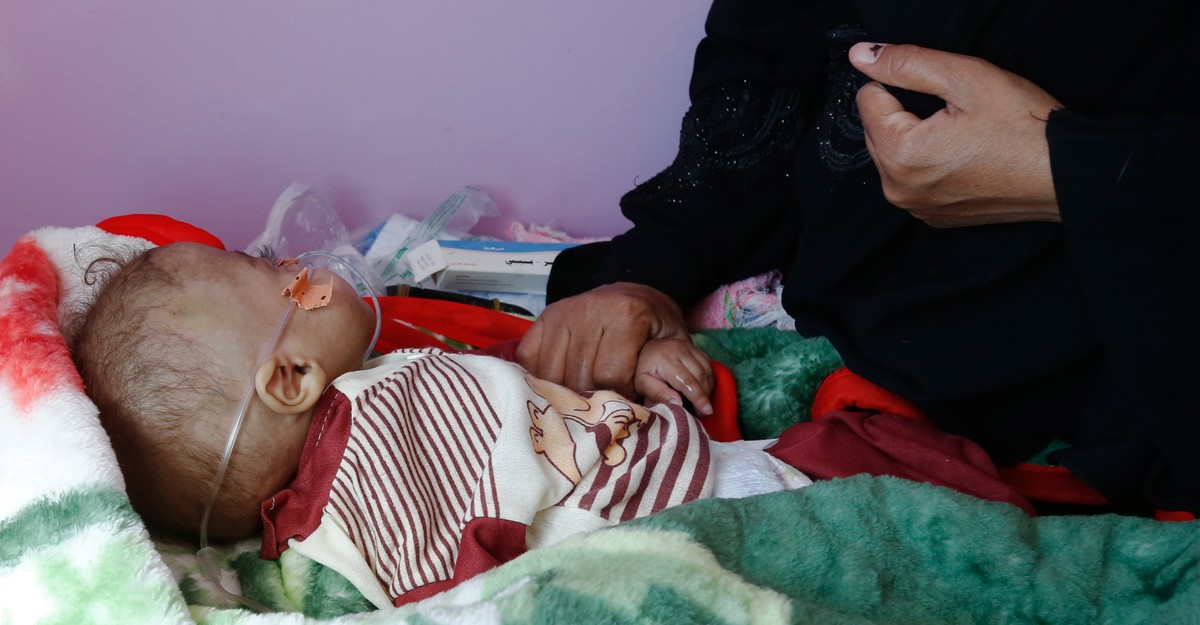
Stuck in the Crypto Abyss: Emergency Food for 3 Million Children Delayed
A life-saving shipment of emergency nutrition for three million malnourished children across sub-Saharan Africa remains frozen in bureaucratic limbo after a cryptocurrency payment failure disrupted the $50 million humanitarian transaction. The United Nations Children’s Fund (UNICEF) reported this week that 12,000 metric tons of ready-to-use therapeutic food (RUTF) are stranded at ports while donors and blockchain experts scramble to resolve the digital currency crisis.
How Cryptocurrency Complications Paralyzed Vital Aid
The breakdown occurred when an anonymous crypto-philanthropist attempted to donate Ethereum equivalent to $50 million through a blockchain-based giving platform. While the transaction appeared successful on the digital ledger, regulatory hurdles and exchange verification processes created a 17-day (and counting) delay in converting the funds to fiat currency needed to release the shipments.
“This isn’t just about technology failing—it’s about systems failing children,” said Dr. Amina Jallow, UNICEF’s Senior Nutrition Advisor for West Africa. “Each day of delay puts 8,000 severely malnourished children at immediate risk of starvation. The therapeutic food packets sitting in warehouses could reverse their condition within weeks if we could just get them delivered.”
The crisis highlights growing tensions between:
- Humanitarian organizations adopting innovative funding methods
- Traditional banking systems struggling to accommodate crypto transactions
- Government regulations designed to prevent money laundering
The Human Cost of Digital Bureaucracy
In Niger’s Maradi region—one of the intended destinations—clinics report doubling admissions for severe acute malnutrition (SAM) since the expected shipment failed to arrive. SAM affects 16.7 million children globally annually, with a mortality rate of 11.6% without proper treatment, according to World Health Organization data.
“We’ve emptied our last RUTF stocks two weeks ago,” said nurse Oumar Diallo via satellite phone from a Médecins Sans Frontières outpost. “Now we’re improvising with sugar-salt solutions that barely stabilize the children. Five have died waiting for what should have been here by now.”
The stranded shipment contains:
- 3.2 million packets of peanut-based therapeutic paste
- Essential vitamins and minerals for cognitive development
- Antibiotics for concurrent infections common in malnourished children
Blockchain for Good: Promise vs. Reality in Humanitarian Work
Cryptocurrency donations to humanitarian causes surged 1,558% between 2018-2022, per Blockchain Charity Foundation reports. Proponents argue digital currencies enable:
- Transparent tracking of funds
- Reduced banking fees (saving an estimated $3.7 million annually in transaction costs)
- Access to tech-savvy younger donors
However, this incident exposes critical vulnerabilities. “The immutable nature of blockchain becomes a liability when speed matters,” explained fintech researcher Dr. Elijah Mbeki. “Traditional wire transfers have failsafes—crypto transactions don’t. Once initiated, they either complete or get stuck with few recovery options.”
Stakeholders Race Against Biological Clocks
UNICEF has activated emergency protocols while pursuing three parallel solutions:
- Negotiating with cryptocurrency exchanges for priority conversion
- Seeking bridge financing from traditional donors
- Exploring legal pathways to use the crypto directly for logistics payments
Meanwhile, nutrition experts warn that the first 1,000 days of life represent an irreversible window for physical and cognitive development. “Every week without proper nutrition steals a child’s future potential,” said Professor Maria Chen of the Global Nutrition Institute. “The damage compounds exponentially—we’re not just losing lives, we’re losing generations.”
Regulatory Crossroads: Balancing Innovation and Reliability
The incident has reignited debates about cryptocurrency’s role in crisis response. Humanitarian organizations now face pressure to:
- Establish crypto emergency protocols
- Train staff in digital asset management
- Develop partnerships with compliant exchanges
“We can’t abandon innovation that could help more children, but we must build better guardrails,” said UNICEF Executive Director Catherine Russell in a press briefing. “This painful lesson will inform how the entire sector approaches digital currencies moving forward.”
What Comes Next for Crypto in Aid Work?
As technicians work to unlock the frozen funds, the humanitarian community watches closely. The World Food Programme—which successfully piloted blockchain payments in 2021—has offered technical assistance while cautioning that “hybrid systems” blending traditional and digital finance may be necessary during transition periods.
For frontline workers, solutions can’t come soon enough. “Tell the tech experts our babies don’t care about blockchain,” urged Nurse Diallo. “They only care that the food arrives before it’s too late.”
Readers moved to help can contribute to established emergency nutrition funds through UNICEF’s verified donation portals while the cryptocurrency situation resolves.
See more CCTV News Daily