E.U. Prepares Strategic Countermeasures as U.S. Tariff Tensions Escalate
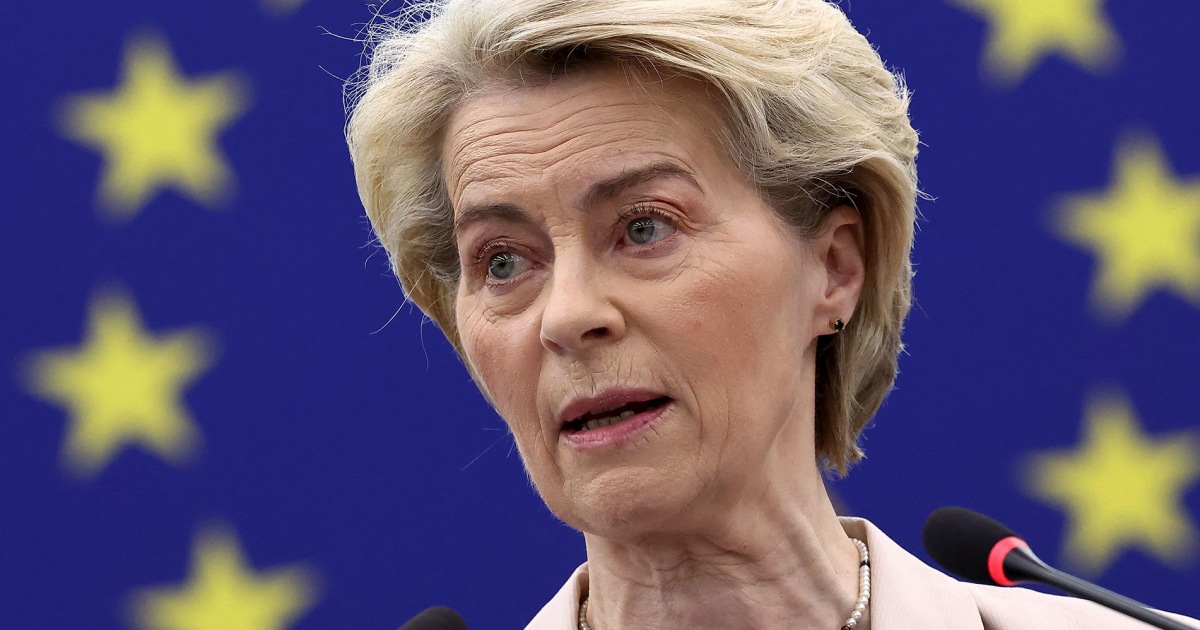
The European Union is finalizing a robust response to potential U.S. tariffs as trade negotiations between the two economic powerhouses reach a boiling point. European Commission President Ursula von der Leyen announced contingency plans this week, signaling readiness to impose countermeasures if Washington enforces restrictive trade policies. The escalating standoff threatens to disrupt $1.3 trillion in annual transatlantic commerce, with both sides racing to protect domestic industries while avoiding a full-blown trade war.
Behind the E.U.’s Defensive Strategy
Von der Leyen’s declaration follows months of strained talks over U.S. tariffs on European steel, aluminum, and green technology exports. The E.U. has drafted a three-pronged approach:
- Targeted tariffs on $4 billion worth of U.S. goods, including agricultural products and machinery
- WTO litigation to challenge what Brussels calls “discriminatory” U.S. trade practices
- Accelerated trade diversification through partnerships with Asia and Latin America
“We cannot remain passive when our industries face unfair barriers,” von der Leyen stated during a press briefing in Brussels. “Our response will be measured but firm.”
Economic Stakes and Sector-Specific Impacts
The auto and aerospace sectors are particularly vulnerable. U.S. tariffs on European vehicles could spike from 2.5% to 25%, jeopardizing 14 million jobs linked to transatlantic supply chains. Meanwhile, Airbus and Boeing subsidies remain a flashpoint, with the WTO authorizing $7.5 billion in retaliatory tariffs in 2019—a dispute that never fully resolved.
Dr. Lena Müller, a trade policy analyst at the Berlin-based Global Economics Institute, warns: “This isn’t just about tariffs—it’s a clash of industrial visions. The U.S. prioritizes reshoring, while the E.U. bets on open strategic autonomy. Both models collide in sectors like clean energy and chips.”
Negotiation Deadlocks and Political Pressures
Despite six rounds of talks since 2023, disagreements persist over:
- The U.S. Inflation Reduction Act’s (IRA) $369 billion in green subsidies, which the E.U. argues disadvantages European firms
- Diverging approaches to China’s trade practices
- Data privacy rules affecting tech giants like Meta and Google
U.S. Trade Representative Katherine Tai has defended her stance, asserting that “leveling the playing field requires tough choices.” However, European farmers and manufacturers argue the IRA’s local-content rules violate WTO principles.
Historical Context: From Allies to Adversaries?
Transatlantic trade tensions aren’t new. The Trump-era steel tariffs (2018–2021) cost European exporters $3.2 billion annually before a temporary truce was reached. But current disputes cut deeper, intertwining with geopolitical rivalries and climate policy.
“The risk isn’t just economic—it’s diplomatic,” notes former E.U. trade negotiator Pierre Vimont. “A protracted conflict could weaken the Western bloc’s unity against Russia and China.”
What’s Next for E.U.-U.S. Trade Relations?
With the E.U.’s countermeasures poised for activation by Q3 2024, observers see three potential outcomes:
- A limited deal focusing on critical minerals and pharmaceuticals
- Escalatory tit-for-tat tariffs mirroring the 2018–2021 trade war
- A sweeping new trade framework replacing the defunct TTIP negotiations
Business leaders urge compromise. “Trade wars have no winners,” said Markus Jerger of the European SME Alliance. “A 10% tariff hike could raise consumer prices by €60 billion annually in Europe alone.”
Call to Action: Stay Informed
As negotiations unfold, stakeholders are advised to monitor updates from the European Commission’s Directorate-General for Trade and USTR announcements. The next round of talks is scheduled for June 15 in Geneva.
The coming months will test whether the world’s largest trading partnership can adapt—or fracture under the weight of competing national priorities.
See more CCTV News Daily