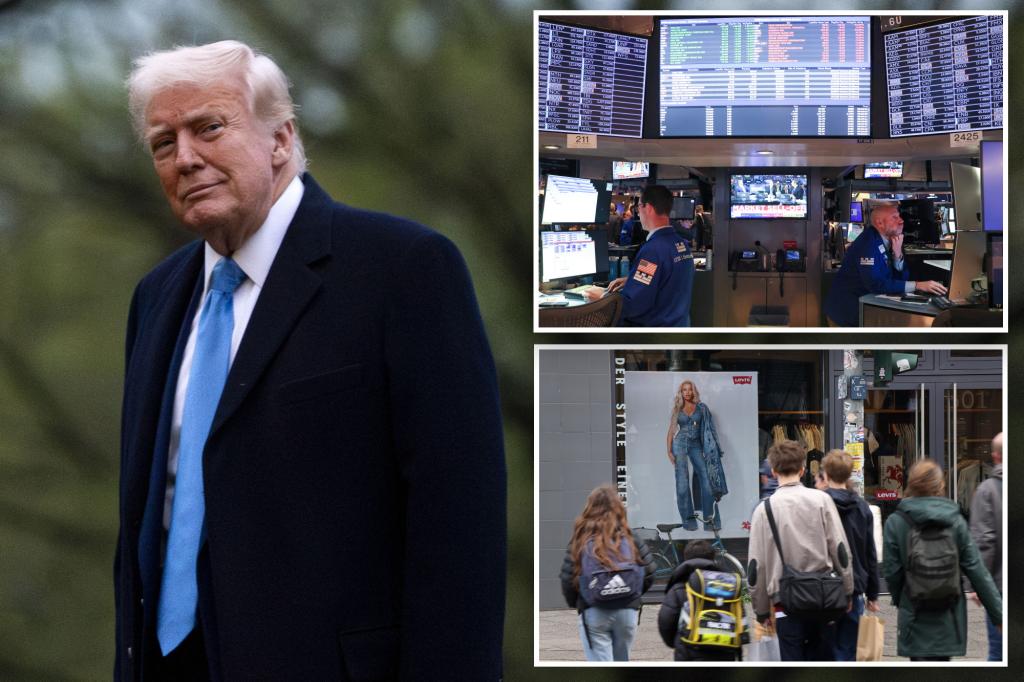
EU Proposes Elimination of Industrial Tariffs on US Goods: A New Era of Trade Relations?
In a landmark move to strengthen transatlantic trade, the European Union has proposed eliminating industrial tariffs on American goods. The unexpected offer, announced on June 15, 2024, aims to de-escalate longstanding trade tensions and foster deeper economic cooperation. If implemented, this policy could reshape $1.1 trillion in annual bilateral trade, though critics warn of potential disruptions to EU manufacturers and global supply chains.
A Strategic Bid to Reset Trade Dynamics
The EU’s proposal targets approximately €50 billion ($54 billion) in annual tariffs covering machinery, chemicals, and manufactured goods. European Commission President Ursula von der Leyen framed the move as “a strategic investment in our shared economic future” during a Brussels press conference. The offer comes as both economies face mounting pressure from Chinese industrial competition and seek to reduce reliance on authoritarian regimes for critical materials.
Key aspects of the proposal include:
- Phased elimination over 3-5 years for sensitive sectors like automotive and aerospace
- Immediate 50% reduction for 85% of industrial goods
- Maintained agricultural protections for EU farmers
- Reciprocal US tariff concessions on European pharmaceuticals and luxury goods
Economic Impacts and Industry Reactions
According to a Peterson Institute study, full tariff elimination could boost EU-US trade flows by 17% within a decade. German automakers have welcomed the proposal, with Volkswagen Group CEO Oliver Blume stating, “This levels the playing field against Asian competitors while creating jobs on both continents.” However, French steel producers have voiced strong opposition, citing concerns about cheaper US imports undercutting their market share.
The economic calculus reveals complex trade-offs:
- Consumer Benefits: EU households could save €6 billion annually on US-made products
- Manufacturer Risks: 12% of EU industrial firms may face profitability pressures
- Supply Chain Shifts: 23% of companies surveyed plan to reconfigure sourcing strategies
Geopolitical Context and US Response
The proposal arrives as Washington considers extending Section 232 steel tariffs set to expire in 2025. US Trade Representative Katherine Tai called the EU move “a constructive step,” though American farm groups continue pushing for agricultural concessions. Analysts note the timing aligns with NATO’s 75th anniversary, suggesting coordinated economic and security strategies against shared geopolitical rivals.
“This isn’t just about tariffs—it’s about writing the 21st century’s trade rules before China does,” explains Dr. Helena Schmidt, trade policy fellow at the Atlantic Council. Her research shows the EU and US combined represent 42% of global manufacturing value, compared to China’s 28%.
Potential Roadblocks and Implementation Challenges
The proposal must clear several hurdles before becoming reality:
- Approval from all 27 EU member states, including protectionist-leaning nations
- US Congressional authorization for reciprocal measures
- WTO compliance reviews to avoid disputes with third countries
French Trade Minister Jean-Baptiste Lemoyne has already demanded “ironclad safeguards” for strategic industries, while Italian officials seek longer transition periods for textile producers. Meanwhile, US Senate Finance Chair Ron Wyden (D-OR) emphasized any deal must “protect American workers first.”
The Future of Transatlantic Commerce
If successful, this tariff elimination could become the cornerstone of a revitalized EU-US Trade and Technology Council. Next-generation issues like AI governance, green tech subsidies, and data flows now dominate the agenda, requiring unprecedented policy coordination.
As negotiations progress in coming months, stakeholders should monitor:
- July 2024 EU-US summit outcomes
- Q3 2024 impact assessments from both trade commissions
- Potential side agreements on critical minerals and semiconductors
This bold proposal marks a potential turning point in post-pandemic economic strategy. Whether it becomes a transformative deal or another stalled initiative may determine the West’s competitive edge in an increasingly fractured global economy. For businesses navigating these changes, consulting trade experts and scenario planning will prove essential in the evolving landscape.
See more CCTV News Daily