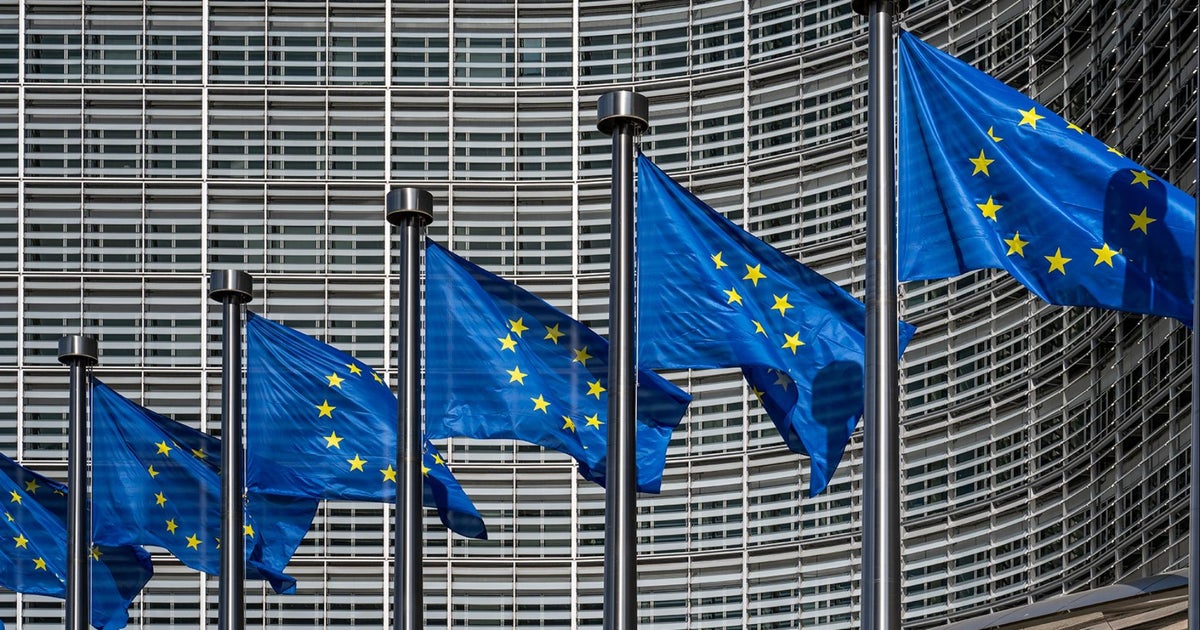
Europe Signals Firm Response Ahead of Trump’s Tariff Rollout
As the countdown begins to the implementation of new tariffs by the Trump administration, European leaders are stepping up their game. The looming trade showdown not only stirs the pot of economic tensions but also brings into focus the intricate dynamics of global markets and the future of diplomatic relations. This article delves into the reactions from Europe, the implications of the tariffs, and the broader effects on international trade.
The Context of Tariffs and Trade Wars
Tariffs have long been a tool for nations to protect their industries and manage trade imbalances. However, the recent moves by the Trump administration signal a more aggressive approach to trade policy, particularly against European nations. The new tariffs, set to affect a wide range of goods, are seen as an attempt to bolster American manufacturing at the expense of foreign competition.
Historically, such tariffs have sparked retaliatory measures from affected nations, leading to trade wars that can destabilize markets. As the United States prepares to roll out these tariffs, European countries are not sitting idly by. Instead, they are signaling a firm response, indicating a readiness to counteract any adverse effects on their economies.
Europe’s Strategic Counter-Response
In light of the impending tariffs, European leaders are crafting a comprehensive strategy to mitigate the impact on their economies. Here are some key elements of Europe’s response:
- Retaliatory Tariffs: European Union officials have hinted at imposing their own tariffs on American goods. This could include products such as agricultural goods, automobiles, and machinery – sectors that are vital to the American economy.
- Diplomatic Engagement: Europe is also engaging in diplomatic discussions to resolve the issue before it escalates further. Leaders are reaching out to American counterparts to advocate for a dialogue aimed at finding common ground.
- Support for Affected Industries: To protect their own economies, European governments are considering financial support for industries that may suffer from the tariffs. This could involve subsidies or other forms of economic assistance to help businesses adapt.
The Implications for Global Markets
The ripple effects of this trade showdown will likely extend far beyond the borders of Europe and the United States. The global economy is intricately interconnected, and disruptions in trade between these two economic powerhouses can lead to significant market volatility. Some potential implications include:
- Increased Prices: Tariffs typically lead to higher costs for consumers. If European countries retaliate, American consumers might find themselves paying more for imported goods, leading to inflationary pressures.
- Supply Chain Disruptions: Many companies rely on global supply chains that cross international borders. Tariffs could disrupt these chains, causing delays and increasing costs for businesses worldwide.
- Investor Uncertainty: The uncertainty surrounding trade policies can lead to volatile stock markets. Investors typically respond to such uncertainty by pulling back, which can exacerbate economic downturns.
Long-Term Diplomatic Relations
This trade confrontation could reshape diplomatic relations between Europe and the United States. Historically, both regions have enjoyed a strong partnership, but the introduction of tariffs could strain this relationship. Potential long-term effects include:
- Shifts in Alliances: As countries react to the tariffs, we could see a realignment of alliances. Nations may seek closer ties with other partners, potentially altering the geopolitical landscape.
- Increased Nationalism: Economic tensions often foster nationalist sentiments. This could lead to a rise in protectionist policies not just in the United States, but across Europe and beyond.
- Focus on Domestic Production: Nations may prioritize self-sufficiency in key industries, which could lead to a decrease in international cooperation in trade.
Looking Ahead: The Path Forward
As Europe signals a firm response ahead of Trump’s tariff rollout, the focus now shifts to how both sides navigate this complex situation. Here are a few potential pathways:
- Negotiation and Compromise: The most favorable outcome would be for both parties to enter negotiations, seeking a compromise that could alleviate the need for tariffs altogether.
- Multilateral Approaches: Europe could seek to strengthen its ties with other trading partners, establishing a united front against U.S. tariffs. This could involve collaborations with countries in Asia and Latin America.
- Adapting to New Norms: Regardless of the outcome, businesses will need to adapt to a new trade environment. This could involve diversifying supply chains or exploring new markets.
Conclusion
The impending implementation of tariffs by the Trump administration is more than just a domestic policy issue; it poses significant challenges and opportunities for global trade and diplomacy. As Europe signals a firm response, the world watches closely. The stakes are high, not just for the economies directly involved but for the integrity of international trade as a whole.
In this intricate dance of tariffs and counter-tariffs, the hope remains that dialogue and cooperation will prevail over confrontation. The path forward may be fraught with challenges, but it is also ripe with opportunities for innovation, resilience, and renewed partnerships.
See more CCTV News Daily