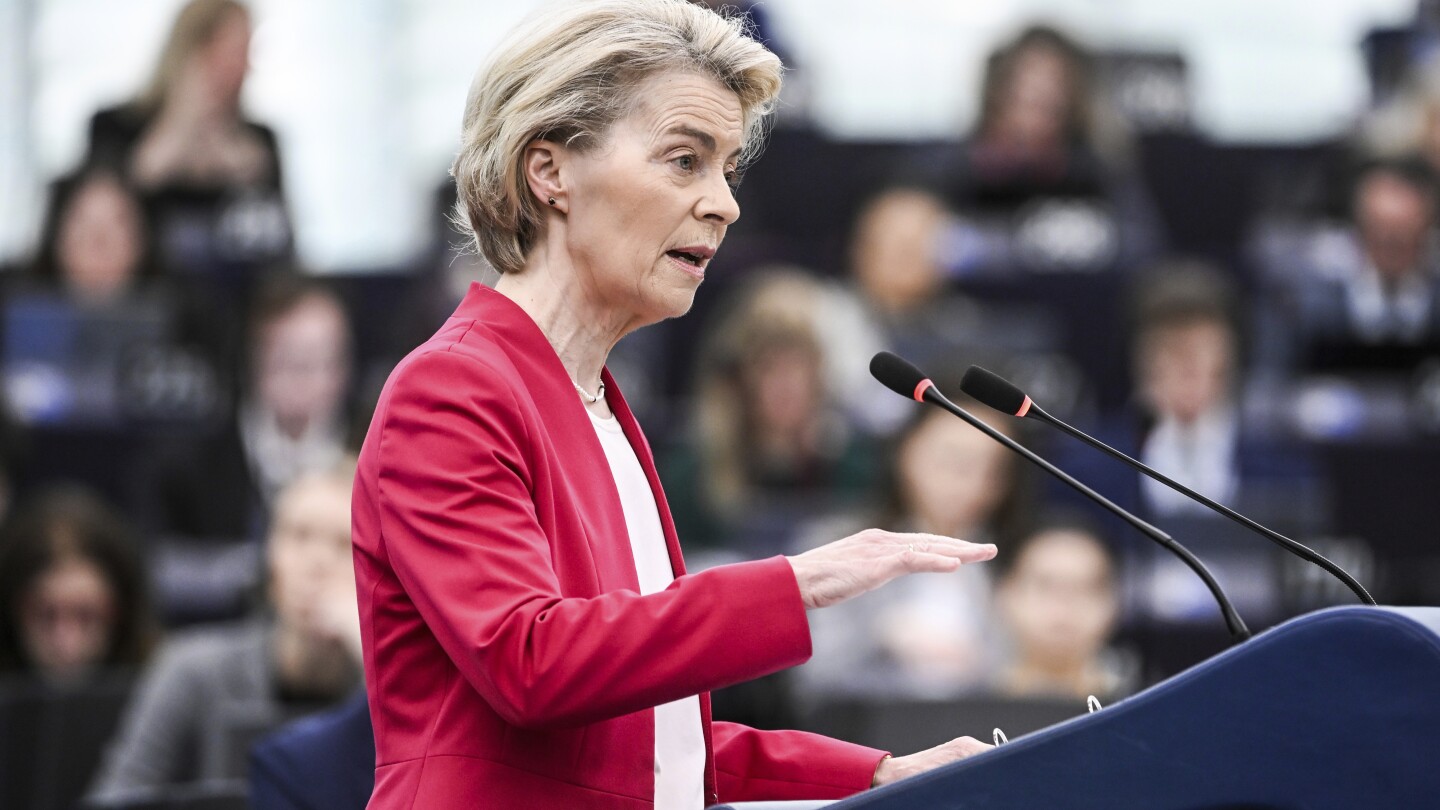
Europe Prepares for Trade Showdown as Trump’s Tariff ‘Liberation Day’ Approaches
As the clock ticks down to Trump’s anticipated tariff ‘Liberation Day,’ Europe is bracing itself for a significant trade showdown. This impending moment could shake the very foundations of global trade dynamics and put international alliances to the test. With tensions simmering, it’s crucial to understand the implications of this pivotal event and how Europe is strategizing its response.
The Context of Tariffs and Trade
The concept of tariffs has long been a contentious issue in international trade. Tariffs are taxes imposed on imported goods, and they can significantly affect the flow of goods between countries. In recent years, the United States, under President Donald Trump, has adopted an aggressive stance on trade, introducing a series of tariffs aimed at protecting American industries. This policy has been dubbed by some as a form of economic nationalism, sparking both domestic and international debates.
Trump’s ‘Liberation Day’ refers to the date when these tariffs are expected to be lifted or altered, potentially leading to significant changes in trade relationships. For Europe, this day represents both a challenge and an opportunity. The European Union (EU) must navigate a complex landscape as it prepares for the fallout of potential tariff changes.
Europe’s Strategic Advantages
As the EU anticipates this trade showdown, it is keenly aware of its strategic advantages. Europe is not just a collection of individual countries; it is a powerful economic bloc with a combined GDP that rivals that of the United States. Here are some key advantages Europe holds:
- Diverse Economy: The EU’s economy is diverse, encompassing a wide range of industries from technology to agriculture. This diversity allows for greater resilience in the face of external economic pressures.
- Established Trade Agreements: Europe has established numerous trade agreements with countries around the world, providing it with access to various markets and mitigating the impact of tariffs.
- Innovation and Research: The EU is a leader in innovation and research, particularly in sectors like pharmaceuticals and renewable energy. This focus on R&D positions Europe as a key player in the global economy.
- Strong Regulatory Framework: The EU’s regulatory framework can offer businesses stability and predictability, which is often appealing in uncertain trade environments.
Potential Impacts of Trump’s Tariff ‘Liberation Day’
The implications of Trump’s tariff ‘Liberation Day’ are multifaceted. Here are some potential impacts that Europe must navigate:
- Market Volatility: As tariffs are lifted or modified, market volatility is likely to increase. Businesses on both sides of the Atlantic will need to adapt quickly to changing circumstances.
- Trade Balances: Changes in tariff policy could alter trade balances, potentially leading to trade deficits or surpluses that can affect economic stability.
- Supply Chains: Many European companies rely on global supply chains. Tariff changes could disrupt these networks, forcing companies to rethink their sourcing strategies.
- Diplomatic Relations: The nature of trade relations between the U.S. and the EU could shift, impacting diplomatic ties and collaborative efforts on global issues such as climate change and security.
Europe’s Response Strategy
In anticipation of the impending trade showdown, Europe is developing a multifaceted strategy. This approach includes:
- Strengthening Internal Markets: The EU is working to reinforce its internal market by enhancing the free movement of goods, services, capital, and labor across member states. This strategy aims to bolster economic resilience against external shocks.
- Engaging in Diplomatic Dialogue: Europe is prioritizing diplomatic efforts to engage with the U.S. in constructive dialogue. Leaders are advocating for a fair trade system that benefits both parties while addressing concerns about tariffs.
- Diversifying Trade Partners: To reduce dependency on U.S. markets, Europe is looking to strengthen trade ties with emerging markets in Asia, Africa, and Latin America. This diversification can mitigate risks associated with potential trade disruptions.
- Investing in Innovation: Continued investment in innovation and technology will position Europe as a leader in key industries, making it less vulnerable to external pressures.
The Role of International Alliances
As Europe prepares for the potential fallout from Trump’s tariff changes, the role of international alliances cannot be understated. The EU has traditionally relied on partnerships with other nations, leveraging collective bargaining power to negotiate trade terms that are favorable to its member states.
In this context, here are some critical alliances that could play a pivotal role:
- Transatlantic Relations: The EU and the U.S. share a deep-rooted economic relationship. Strengthening this partnership could lead to collaborative solutions that benefit both economies.
- World Trade Organization (WTO): The EU is an active participant in the WTO, advocating for a rules-based international trading system. Through this platform, Europe can address grievances regarding U.S. tariff policies.
- Regional Trade Agreements: Engaging in regional trade agreements with countries in Asia and Africa will enhance Europe’s global standing and reduce reliance on any single market.
Conclusion: A Time for Strategic Action
As Trump’s tariff ‘Liberation Day’ approaches, Europe stands at a crossroads. The decisions made in the coming weeks will not only affect trade relations with the U.S. but also define the EU’s approach to global trade in the years to come. By leveraging its strategic advantages, engaging in diplomatic dialogue, and strengthening international alliances, Europe can navigate this challenging landscape. The focus must be on fostering a resilient economy that can withstand external pressures while promoting a fair and equitable trading system.
In the face of uncertainty, Europe’s preparedness and proactive strategies will be critical in shaping the future of global trade dynamics. The world watches closely as Europe gears up for this significant trade showdown, ready to assert its position on the global stage.
See more CCTV News Daily