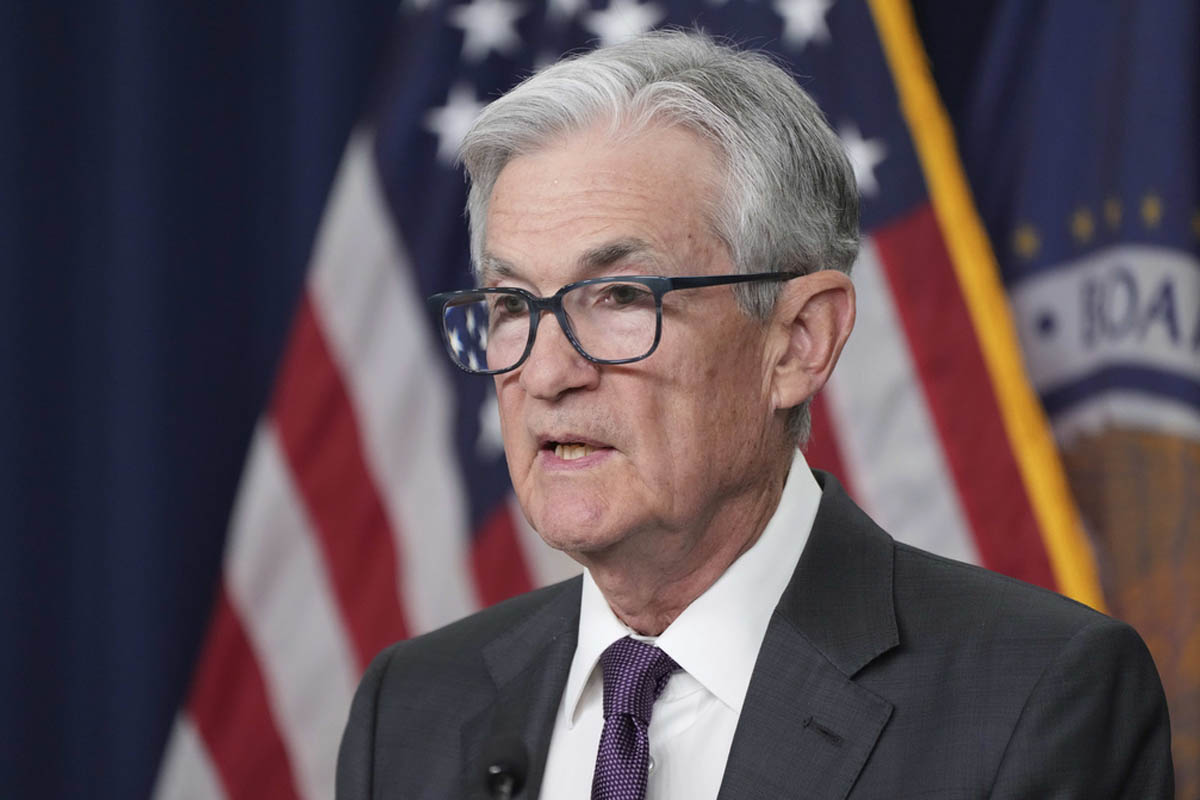
Federal Reserve Chair Warns Tariffs Could Hinder Inflation Battle
In a recent statement that has stirred significant discussion among economists and policymakers, the Chair of the Federal Reserve expressed concerns that increasing tariffs might complicate the ongoing efforts to combat rising inflation rates. This warning has raised critical questions about the intersection of trade policies and the broader economic landscape, highlighting the delicate balance that must be maintained in the pursuit of economic stability.
The Context of Inflation in the Current Economy
Inflation has been a pressing issue for many economies worldwide, particularly in the United States. Over the past few years, the U.S. has experienced significant price increases across various sectors, driven largely by supply chain disruptions, increased consumer demand, and various external shocks, including geopolitical tensions and the aftermath of the COVID-19 pandemic. The Federal Reserve, tasked with maintaining price stability and maximum employment, has been actively implementing monetary policy measures to address these inflationary pressures.
However, the Chair’s recent comments suggest that the introduction or increase of tariffs could further exacerbate these inflationary trends. Tariffs, essentially taxes imposed on imported goods, are intended to protect domestic industries but can lead to higher prices for consumers. This potential price increase can counteract the Federal Reserve’s efforts to stabilize inflation, making the situation more complex.
Understanding Tariffs and Their Economic Implications
To grasp the Chair’s warning, it’s essential to understand how tariffs function. When the government imposes tariffs on imports, it typically leads to the following outcomes:
- Increased Costs for Consumers: Tariffs raise the price of imported goods, which can lead to higher prices for consumers. If companies face increased costs, they may pass these costs onto consumers, leading to inflationary pressures.
- Retaliatory Measures: Other countries might respond to tariffs with their own tariffs, leading to a trade war that can stifle economic growth and further complicate the inflation landscape.
- Supply Chain Disruptions: Tariffs can disrupt established supply chains, leading to shortages of goods and, ultimately, higher prices.
These factors illustrate why the Federal Reserve Chair is concerned that increasing tariffs could hinder the inflation battle. While the intention behind tariffs may be to protect domestic industries, the unintended consequences can be detrimental to the broader economy.
The Balancing Act of Trade Policies
Trade policies are a double-edged sword. While they can shield domestic industries from foreign competition, they can also lead to adverse effects that ripple through the economy. Policymakers must consider the long-term implications of their decisions on trade. Here are some alternative perspectives:
- Protectionism vs. Free Trade: The debate between protectionist measures and free trade is ongoing. While protectionism aims to secure local jobs and industries, it may also lead to inefficiencies and higher prices, impacting consumers adversely.
- Focus on Innovation: Rather than relying solely on tariffs, fostering innovation and competitiveness within domestic industries could prove a more sustainable strategy for economic growth and inflation control.
- Global Cooperation: Building strong international trade relationships can help mitigate the need for tariffs. Collaborative approaches may lead to mutually beneficial outcomes that stabilize prices without resorting to punitive measures.
The Role of the Federal Reserve
The Federal Reserve’s role in managing inflation is critical. As the central bank, it has various tools at its disposal, including adjusting interest rates and engaging in open market operations. By managing the money supply and influencing interest rates, the Federal Reserve aims to control inflation and ensure economic stability. However, external factors—such as tariffs—can undermine these efforts.
The Chair’s warning serves as a reminder that the Federal Reserve must navigate a complex landscape where fiscal policies (like tariffs) intersect with monetary policies. It emphasizes the need for coordinated efforts between trade and monetary policy to achieve the desired economic outcomes.
Potential Outcomes of Increased Tariffs
As policymakers consider the implications of increasing tariffs, several potential outcomes merit attention:
- Short-term Inflation Spikes: Increased tariffs could lead to immediate price hikes in affected goods, resulting in short-term inflation spikes that complicate the Federal Reserve’s efforts.
- Long-term Economic Growth Impact: Persistent tariffs may deter investment and innovation, leading to slower economic growth in the long run.
- Consumer Behavior Changes: As prices rise, consumer spending patterns may shift, which could further influence inflation trends.
Alternative Strategies for Addressing Inflation
Given the potential pitfalls of increasing tariffs, exploring alternative strategies for managing inflation becomes crucial. Here are some approaches that could be considered:
- Supply Chain Resilience: Investing in supply chain resilience can help mitigate the effects of global shocks and reduce reliance on tariffs to protect domestic industries.
- Market-Based Solutions: Encouraging competition within domestic markets can help keep prices in check without the need for tariffs.
- Fiscal Policies: Coordinated fiscal policies that support economic growth can complement the Federal Reserve’s monetary policies in controlling inflation.
In conclusion, the recent warning from the Federal Reserve Chair underscores the complexities of managing inflation in an interconnected global economy. As policymakers contemplate the implications of increasing tariffs, they must consider both the immediate and long-term effects on economic stability.
By fostering a balanced approach that considers the interplay between trade and monetary policy, the Federal Reserve and other stakeholders can work towards a more stable economic environment. The challenge lies in finding innovative solutions that promote growth while effectively managing inflation, ensuring that the economic landscape remains resilient in the face of global uncertainties.
The journey ahead may be fraught with challenges, but with thoughtful policymaking and collaboration, there is hope for a balanced approach that can lead to sustainable economic growth and stability.
See more CCTV News Daily