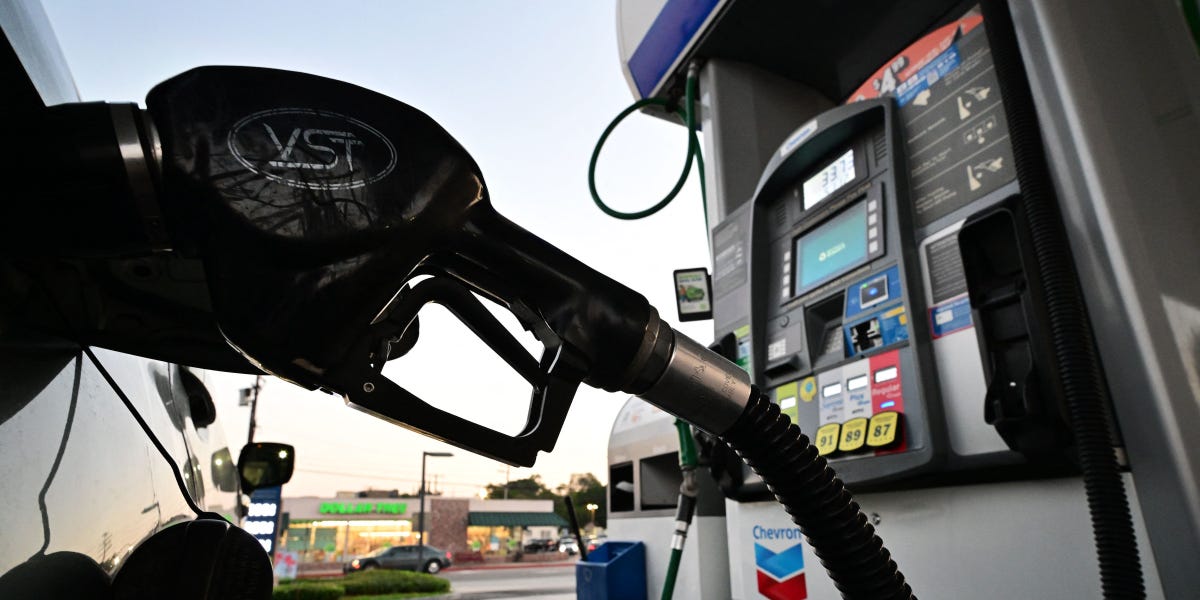
Future Relief: EIA Predicts Decline in Gas Prices as Oil Supply Surges
In a significant announcement, the U.S. Energy Information Administration (EIA) has released a report forecasting a notable decline in gas prices over the next two years. This projection is largely attributed to an anticipated surge in global oil supply, which is expected to outpace demand. As consumers and businesses brace for potential changes in the energy landscape, this insight offers a glimmer of hope amidst fluctuating energy costs.
The Current State of Gas Prices
Gas prices have been a pressing concern for consumers across the country. Following a period of unprecedented highs due to geopolitical tensions, supply chain disruptions, and the lingering effects of the pandemic, many Americans have felt the pinch at the pump. The EIA’s latest report indicates that relief may be on the horizon, as the agency projects a downward trend in prices driven by increased oil production and stable demand.
Factors Driving the Forecasted Decline
Several key factors are contributing to this optimistic outlook for gas prices:
- Increased Oil Production: The EIA predicts that oil production, particularly from the U.S. and OPEC countries, will rise significantly. With advancements in extraction technologies and a renewed focus on maximizing output, the global oil supply is set to expand.
- Stable Demand: While demand for oil is expected to grow, it is not projected to increase at the same pace as supply. This balance is crucial in keeping gas prices in check.
- Geopolitical Stability: A calmer geopolitical climate, especially in oil-producing regions, could further support increased oil production and lower prices. As tensions ease, supply chains may stabilize, benefiting consumers.
- Renewable Energy Integration: The gradual shift towards renewable energy sources may also play a role. As electric vehicles and alternative energy solutions become more mainstream, traditional gasoline demand could gradually decline, impacting pricing.
The Implications for Consumers
For everyday consumers, the forecasted drop in gas prices represents a welcome relief. Here are some potential impacts:
- Lower Fuel Costs: With gas prices on a downward trajectory, consumers can expect to save money on fuel, which can help ease the burden on household budgets.
- Increased Spending Power: When consumers spend less on gas, they have more disposable income to allocate towards other expenses, such as dining, entertainment, and travel. This could lead to a boost in the overall economy.
- Impact on Transportation Costs: Lower gas prices may also reduce transportation costs for businesses, which can lead to lower prices for goods and services. This can create a ripple effect throughout various sectors of the economy.
The Broader Energy Market Outlook
While the EIA’s prediction provides a positive outlook for gas prices, it also raises questions about the broader energy market. A surge in oil supply may lead to:
- Volatility in Oil Markets: Although increased supply can stabilize prices, it may also introduce volatility if producers react to changing market conditions. Sudden shifts in production levels could lead to price fluctuations.
- Investment Shifts: As gas prices decline, energy investors may rethink their strategies. Investments in renewable energy sources may accelerate, while traditional oil investments could see less interest.
- Environmental Considerations: A continued reliance on fossil fuels amidst lower prices could potentially hinder efforts toward achieving climate goals. Policymakers may need to address this balance to ensure sustainable energy practices.
Looking Ahead: Consumer Preparedness
As consumers await this potential decline in gas prices, it’s essential to consider strategies for preparedness:
- Budgeting for Fuel Costs: Even with a forecasted decline, it’s wise for consumers to budget for fuel costs, keeping in mind possible fluctuations in the market.
- Exploring Alternative Transportation: As gas prices fluctuate, considering public transportation or carpooling can provide savings and reduce dependency on fossil fuels.
- Staying Informed: Keeping an eye on energy reports and market trends can help consumers make informed decisions regarding their transportation and energy use.
Conclusion: A Hopeful Future for Energy Consumers
The EIA’s prediction of declining gas prices offers a promising outlook for consumers and the economy alike. As oil supply surges and demand stabilizes, the relief at the pump could mark a positive shift in the energy landscape. However, the potential for market volatility, investment shifts, and environmental considerations means that a balanced approach will be necessary moving forward.
Ultimately, consumers stand to benefit from lower gas prices, paving the way for increased spending power and a healthier economy. As we navigate this evolving energy landscape, staying informed and adaptable will be key to making the most of the future relief in gas prices.
See more CCTV News Daily