Global Markets Rally as US Suspends Trump-Era Tech Tariffs
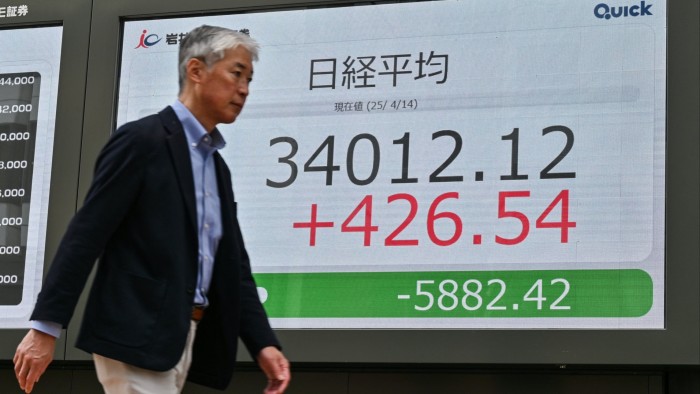
Global markets surged on Wednesday after the Biden administration announced the suspension of technology tariffs imposed during the Trump presidency. The unexpected move, effective immediately, lifted Asian and European stocks by 2-3% and boosted Nasdaq futures by 1.8%. Analysts suggest this signals a potential thaw in strained trade relations, particularly with China, while tech companies brace for reduced supply chain costs.
Immediate Market Reactions and Sector Impacts
Within hours of the 8:00 AM EST announcement, key indices showed dramatic responses:
- Hong Kong’s Hang Seng Tech Index jumped 3.2%
- Taiwan Semiconductor Manufacturing Co. (TSMC) shares rose 4.1%
- European tech stocks gained €42 billion in combined market value
“This is the equivalent of removing a 25% tax on innovation,” remarked Dr. Lina Park, senior economist at the Geneva Trade Institute. “The tariffs had artificially inflated costs across the entire digital ecosystem—from semiconductor fabrication to consumer device pricing.”
Behind the Policy Shift: Trade War Fallout
The suspended tariffs originally targeted $370 billion in Chinese imports under Section 301 of the 1974 Trade Act. Key affected tech products included:
- 5G infrastructure components
- Artificial intelligence chips
- Cloud computing hardware
New Commerce Department data reveals the tariffs had unintended consequences:
- U.S. tech firms paid $51 billion in additional costs since 2018
- Consumer electronics prices rose 19% above inflation
- China’s share of U.S. tech imports only declined from 38% to 34%
Divergent Views on Long-Term Consequences
While industry leaders welcomed the decision, some policy experts urged caution. “This isn’t a free pass for Beijing,” warned former USTR negotiator James Coulter. “The suspension includes a six-month review clause, maintaining leverage for intellectual property negotiations.”
Conversely, Beijing-based trade analyst Mei Chen noted: “China will likely reciprocate by easing restrictions on U.S. agricultural exports. Both economies need breathing room amid slowing growth.”
Tech Industry Prepares for Supply Chain Recalibration
Major manufacturers are already adjusting strategies:
- Apple plans to accelerate product development cycles
- Dell reevaluates Vietnam expansion plans
- Qualcomm resumes orders with SMIC, China’s top chipmaker
However, the Semiconductor Industry Association warns that “tariff relief alone won’t resolve chip shortage issues. We still need long-term investments in domestic fabrication capacity.”
What’s Next for International Trade Relations?
The suspension coincides with preparations for the APEC summit in November, where U.S. and Chinese trade representatives are expected to meet. Observers suggest these developments could lead to:
- Renewed talks on the stalled U.S.-China Phase Two trade deal
- Coordinated efforts on critical mineral supply chains
- Potential WTO reforms addressing digital trade
As markets continue digesting the news, investors should monitor two key indicators: quarterly earnings reports from major tech firms and China’s response to the U.S. decision. For those seeking deeper analysis, the International Trade Centre will host a webinar on September 15 featuring policymakers from both nations.
This developing story underscores how quickly trade winds can shift in the digital age—and how profoundly interconnected global markets have become. While today’s rally brings welcome relief, sustainable growth will require more fundamental realignments in how nations approach technological competition and cooperation.
See more CCTV News Daily