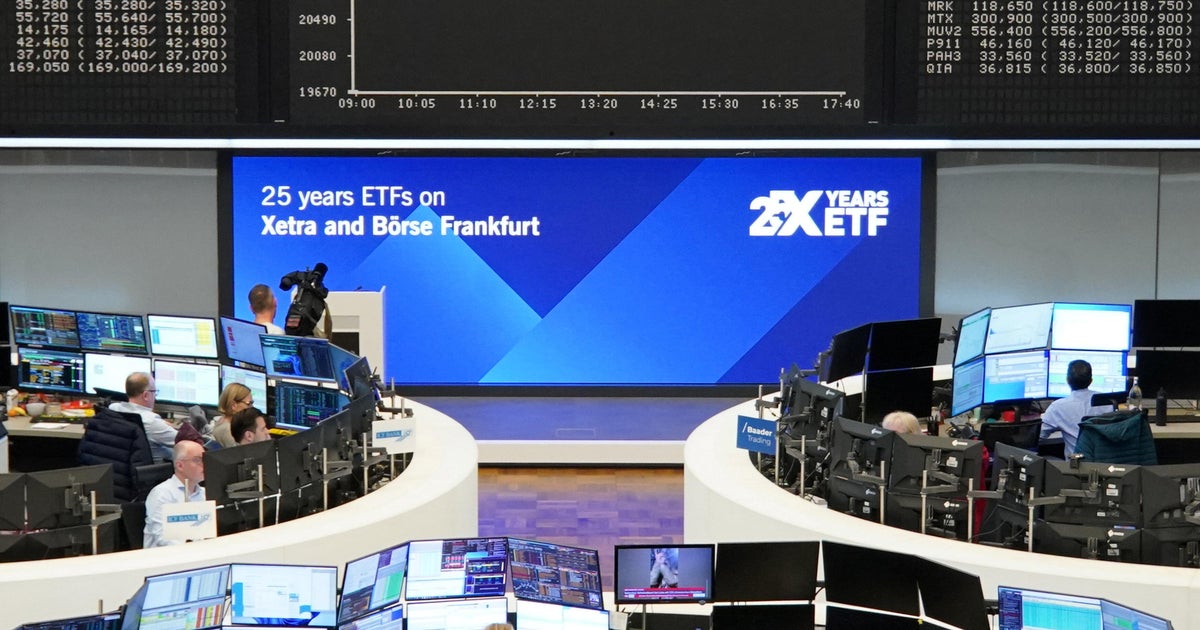
Global Markets Rally as Trump Postpones Tariff Hikes
Global markets surged on Monday after U.S. President Donald Trump announced a delay in planned tariff hikes on $250 billion worth of Chinese goods, originally set for October 1. While Asian and European indices climbed 1-2%, U.S. futures dipped slightly, reflecting lingering uncertainty over trade negotiations. The temporary reprieve comes ahead of high-level talks scheduled for early October, offering a fragile truce in the 18-month trade war.
Market Reactions to the Tariff Delay
Within hours of Trump’s Sunday tweet announcing the postponement, markets responded with cautious optimism:
- Japan’s Nikkei 225 rose 1.8% to 21,759.61
- Hong Kong’s Hang Seng gained 1.3%
- Germany’s DAX increased by 1.1% in early trading
- S&P 500 futures, however, edged down 0.2%
“This is classic relief rally behavior,” noted Claudia Sanders, Chief Economist at Horizon Capital. “Markets are breathing a sigh of relief, but the underlying structural issues remain unresolved. The dip in U.S. futures suggests domestic investors are more skeptical about long-term resolution.”
The Political Calculus Behind the Decision
Analysts point to multiple factors influencing Trump’s timing:
- Upcoming October 15 negotiations with Chinese Vice Premier Liu He
- Recent softening of key U.S. economic indicators
- Growing pressure from American businesses ahead of holiday season
- Stock market volatility following August’s yield curve inversion
Manufacturing data reveals why the administration may be seeking temporary de-escalation. The Institute for Supply Management’s PMI fell to 49.1 in August, the first contraction in three years. Meanwhile, the Federal Reserve’s September survey showed 80% of manufacturers citing trade uncertainty as their primary business challenge.
Diverging Perspectives on Trade War Impacts
While financial markets welcomed the news, reactions varied across sectors:
Technology companies with extensive Chinese supply chains saw immediate gains. Apple suppliers TDK Corp and Murata Manufacturing both rose over 3%. “This buys crucial time for holiday inventory planning,” said tech analyst Mark Reynolds. “Every delayed tariff means billions saved in potential cost adjustments.”
However, agricultural markets showed muted response. Soybean futures remained flat as Chinese purchases continue at just 30% of pre-trade war levels. “Farmers need concrete progress, not postponements,” stated Iowa Farmers Union President Aaron Johnson. “We’ve lost 40% of our Chinese market share since 2017.”
Expert Analysis on Long-Term Implications
Economic historians caution that temporary delays rarely resolve fundamental disputes. “Of the 17 tariff deadlines in this trade war, 14 resulted in last-minute extensions,” noted Georgetown University trade professor Elena Petrov. “This creates a pattern where markets celebrate delays rather than demanding solutions.”
Morgan Stanley’s latest research suggests the global economy has already suffered significant damage:
- Global GDP growth reduced by 0.5% annually since 2018
- Over $1 trillion in lost market capitalization for trade-sensitive sectors
- Supply chain restructuring costs exceeding $200 billion worldwide
What Comes Next for Global Markets?
The October 15 negotiations now take center stage, with several possible outcomes:
- Best-case scenario: Partial deal addressing intellectual property and agricultural purchases
- Base-case scenario: Another delay with minor concessions from both sides
- Worst-case scenario: Breakdown leading to December tariffs on remaining Chinese imports
“The market rally reflects hope but not confidence,” warned Sanders. “Investors should prepare for continued volatility through year-end as these negotiations play out.”
For businesses navigating the uncertainty, experts recommend:
- Maintaining flexible supply chain alternatives
- Hedging currency exposures
- Scenario planning for both escalation and resolution
As the trade war enters its 19th month, today’s market reaction underscores how sensitive global commerce remains to political signals. While the tariff delay provides temporary relief, the fundamental economic tensions between the world’s two largest economies remain unresolved. Investors would be wise to monitor not just trade headlines, but underlying economic indicators that may force either side’s hand in coming weeks.
Stay informed on breaking trade developments by subscribing to our market newsletter for daily analysis from financial experts.
See more CCTV News Daily