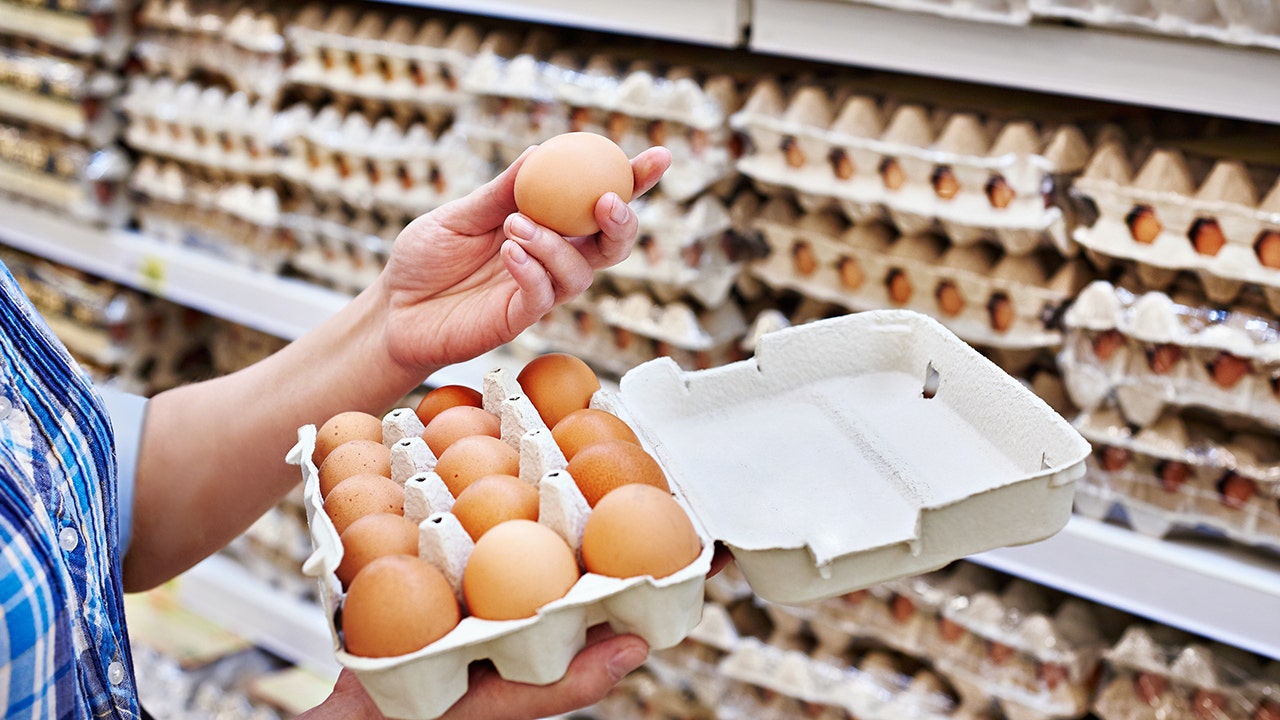
Grocery Stores Grapple with Egg Shortages: Understanding the Crisis
In recent months, grocery stores across the nation have been grappling with an unexpected crisis: an egg shortage that has left shelves bare and consumers scrambling for alternatives. With rising demand and supply chain disruptions, retailers are implementing purchase limits and adjusting their strategies to navigate this challenging landscape. But what exactly is causing this egg shortage, and how are grocery stores adapting to the sudden shifts in supply and demand? This article delves into the complexities of the situation, offering insights into both the consumer and retailer perspectives.
The Root Causes of the Egg Shortage
The current egg shortage stems from a combination of factors that have affected production and distribution. Here are some key reasons behind this crisis:
- Avian Influenza Outbreaks: One of the most significant contributors to the egg shortage has been outbreaks of avian influenza, commonly known as bird flu. These outbreaks have led to the culling of millions of hens, drastically reducing the egg-laying population.
- Supply Chain Disruptions: The COVID-19 pandemic has had lingering effects on supply chains, causing delays and shortages of feed and other essential supplies needed for poultry farming.
- Increased Production Costs: Rising costs of feed, labor, and transportation have made it more challenging for egg producers to operate profitably. As prices climb, some farmers may reduce their flock sizes or even cease operations.
- Consumer Demand Surge: The pandemic has altered consumer behavior, with many individuals cooking more at home. This shift has led to an increase in demand for eggs as a versatile and affordable protein source.
Impact on Grocery Stores and Consumers
As grocery stores grapple with egg shortages, the effects are felt both on the retail side and among consumers. Here’s how:
1. Purchase Limits and Pricing
In response to dwindling supplies, many grocery retailers have implemented purchase limits on eggs. This measure aims to ensure that more customers can access eggs while preventing hoarding behaviors. Additionally, the price of eggs has surged dramatically, with some reports indicating a rise of over 300% in certain regions.
For consumers, this has meant higher grocery bills and the challenge of finding affordable alternatives. Families that regularly rely on eggs for breakfast or baking are now reconsidering their meal planning and shopping habits.
2. Adaptation Strategies of Retailers
To navigate the crisis, grocery stores are employing various strategies:
- Supplier Diversification: Retailers are seeking alternative suppliers, including smaller local farms, to bolster their egg inventory. This can help mitigate shortages and support local economies.
- Promotions on Alternatives: As eggs become scarce, many stores are promoting alternative protein sources, such as plant-based options and other dairy products, to meet consumer needs.
- Customer Communication: Keeping customers informed about supply chain challenges and expected restock dates can help manage expectations and reduce frustration.
Consumer Insights and Behavior Changes
With the ongoing egg shortage, consumers are adapting in various ways. Here are some notable trends:
1. Exploring Substitutes
As eggs become harder to come by, many home cooks are experimenting with substitutes. Options like flaxseed meal, applesauce, and silken tofu can serve as egg replacements in baking and cooking. This has led to an uptick in interest in plant-based diets, as consumers seek alternatives that don’t rely on eggs.
2. Increased Interest in Local Farming
Consumers are also turning to local farmers’ markets and community-supported agriculture (CSA) programs to find fresh eggs. This shift not only supports local agriculture but also fosters a sense of community during uncertain times.
The Future of Egg Supply and Demand
Looking ahead, the future of egg supply and demand hinges on several critical factors:
- Recovery from Avian Influenza: The ability of poultry farmers to recover from bird flu outbreaks will be paramount in restoring egg production levels.
- Stabilization of Supply Chains: Continued improvements in logistics and supply chain management can help ensure that retailers have access to the products they need.
- Consumer Education: As consumers adapt to the current landscape, education about egg substitutes and cooking techniques may empower them to explore new culinary avenues.
The ongoing egg shortage presents unique challenges for grocery stores and consumers alike. As retailers grapple with supply chain issues and rising prices, they are finding innovative ways to adapt, while consumers are exploring new options and alternatives. Through collaboration and communication, both parties can navigate this crisis together, ensuring that everyone has access to the food resources they need.
While the egg shortage is undoubtedly a stressful situation, it also presents an opportunity for growth and change in how we approach food sourcing and consumption. By supporting local producers and being open to alternatives, we can all contribute to a more resilient food system.
In these challenging times, staying informed and adaptable is crucial. As the situation evolves, consumers and grocery stores alike must remain agile, learning from the present crisis to better prepare for future challenges.
See more CCTV News Daily