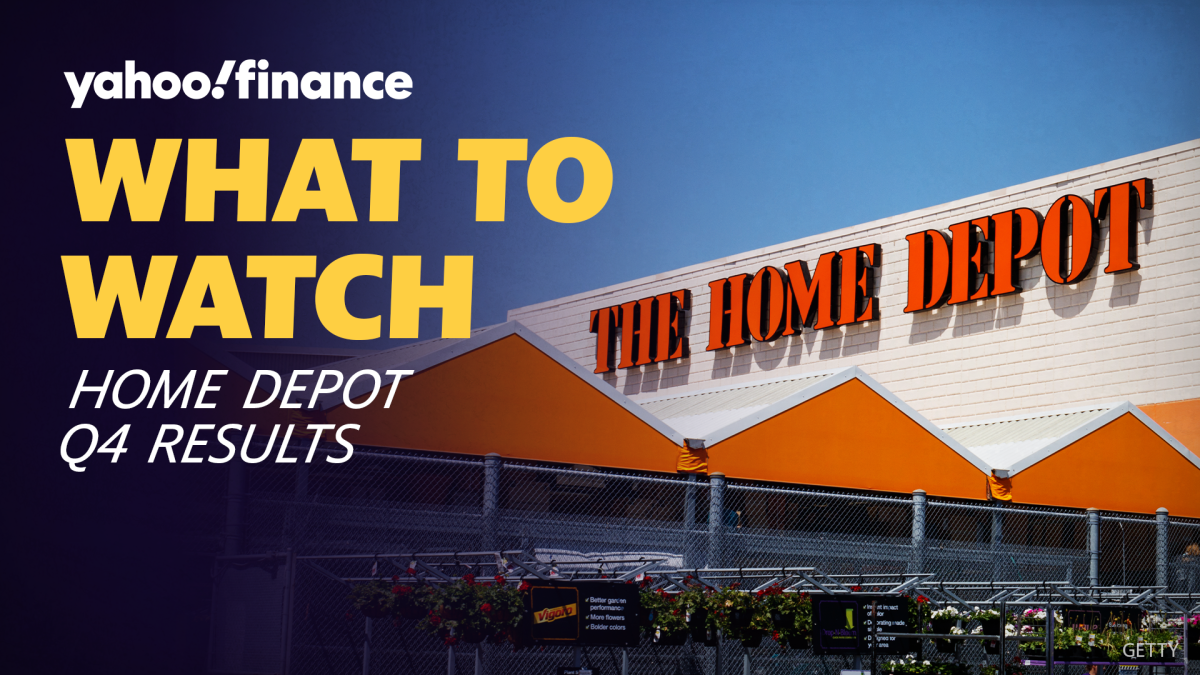
As Home Depot unveils its latest earnings, the spotlight invariably shifts to the Federal Reserve and the evolving landscape of consumer confidence. In today’s tumultuous economic climate, understanding the interplay between corporate performance and monetary policy is crucial for businesses and consumers alike. This article aims to dissect the critical factors influencing today’s economic environment, analyzing Home Depot’s performance and the implications of recent Fed announcements to provide insights into what we can expect moving forward.
Home Depot’s Earnings: A Reflection of Consumer Trends
Home Depot, a leading home improvement retailer, recently reported its quarterly earnings, showcasing a mixed bag of results that highlight broader consumer trends. While the company posted a modest increase in revenue, there were notable shifts in consumer spending patterns. Here are some key takeaways from the earnings report:
- Revenue Growth: Home Depot reported a revenue increase that, while positive, fell short of analysts’ expectations. This indicates a potential slowdown in consumer spending, especially in discretionary categories.
- DIY vs. Professional Segment: The earnings call revealed a divergence in performance between DIY (do-it-yourself) customers and professional contractors. The pandemic-driven boom in home improvement projects is waning, leading to decreased sales in the DIY segment.
- Supply Chain Improvements: Home Depot has made strides in addressing supply chain disruptions, which had plagued the industry. Their efforts to streamline operations are essential for maintaining inventory levels and meeting customer demand.
The results indicate that while Home Depot remains a strong player in the retail sector, it is not immune to the broader economic challenges. As consumers adjust their spending habits in response to inflation and economic uncertainty, retailers must adapt to these changes to remain competitive.
The Federal Reserve’s Role in Shaping Economic Conditions
As Home Depot navigates the complexities of the current economic landscape, the Federal Reserve plays a pivotal role in influencing market conditions. Recent announcements from the Fed regarding interest rates and inflation targets have significant implications for consumer behavior and business performance.
- Interest Rate Adjustments: The Fed’s decision-making on interest rates directly impacts borrowing costs for consumers and businesses. A recent hike in interest rates aimed at curbing inflation could lead to higher mortgage rates, affecting home sales and renovations.
- Inflation Management: With inflation remaining a critical concern, the Fed’s commitment to stabilizing prices is essential. However, aggressive rate hikes could inadvertently slow down economic growth, creating a delicate balance that policymakers must navigate.
- Market Reactions: Investors closely monitor the Fed’s signals, and any indication of a shift in policy can lead to volatility in the stock market. Home Depot’s stock, for instance, may respond to changes in interest rates and consumer confidence levels.
These factors highlight the interconnectedness of corporate performance and monetary policy. As the Fed continues to adjust its strategies, businesses must remain agile, anticipating how these changes will affect their operations and customer engagement.
Consumer Confidence: The Heartbeat of Economic Activity
Consumer confidence is a critical barometer of economic health. It determines how much households are willing to spend, which directly influences corporate earnings. Recent surveys indicate a decline in consumer confidence as inflation concerns loom large. Here’s how this sentiment plays out:
- Spending Habits: With rising prices affecting everyday goods, consumers are becoming more cautious. This shift is evident in Home Depot’s earnings, where discretionary spending has taken a hit.
- Impact on Retail: Retailers are feeling the pinch as consumers prioritize essential purchases over luxury items. Home improvement projects that were once at the forefront may now be sidelined as households reassess their budgets.
- Future Outlook: The trajectory of consumer confidence will significantly impact the retail sector. If confidence improves, we could see a resurgence in spending, benefiting retailers like Home Depot.
Understanding these dynamics is essential for businesses aiming to align their strategies with consumer expectations and economic realities. As the Federal Reserve continues to monitor economic indicators, businesses must be prepared to pivot based on consumer sentiment.
Anticipating Future Trends: What Lies Ahead?
Looking forward, several trends are likely to shape the economic landscape for Home Depot and the broader retail sector:
- Investment in Technology: As consumers increasingly turn to online shopping, retailers must enhance their digital presence. Home Depot has invested in technology to improve the online shopping experience, a move that could pay off as consumer preferences evolve.
- Sustainability Initiatives: With growing awareness of environmental issues, businesses that prioritize sustainability may gain a competitive edge. Home Depot’s commitment to eco-friendly products could resonate with environmentally conscious consumers.
- Adaptability to Economic Changes: The ability to quickly adapt to changing economic conditions will be crucial. Companies that can swiftly respond to shifts in consumer behavior and economic indicators will likely thrive.
In summary, navigating the economic landscape requires a keen understanding of the interplay between corporate performance, consumer confidence, and monetary policy. Home Depot’s earnings offer valuable insights into current consumer trends, while the Federal Reserve’s decisions will continue to shape the economic environment. As we look ahead, companies must remain agile, ready to adapt to the changing tides of the market.
In conclusion, while challenges abound, there are also opportunities for growth and innovation. By keeping a pulse on economic indicators and consumer sentiment, businesses can position themselves strategically to not only survive but thrive in an ever-changing economic landscape.
See more CCTV News Daily