Hong Kong’s Controversial Plan to Ban Tiny Apartments: Understanding the Implications for Low-Income Families
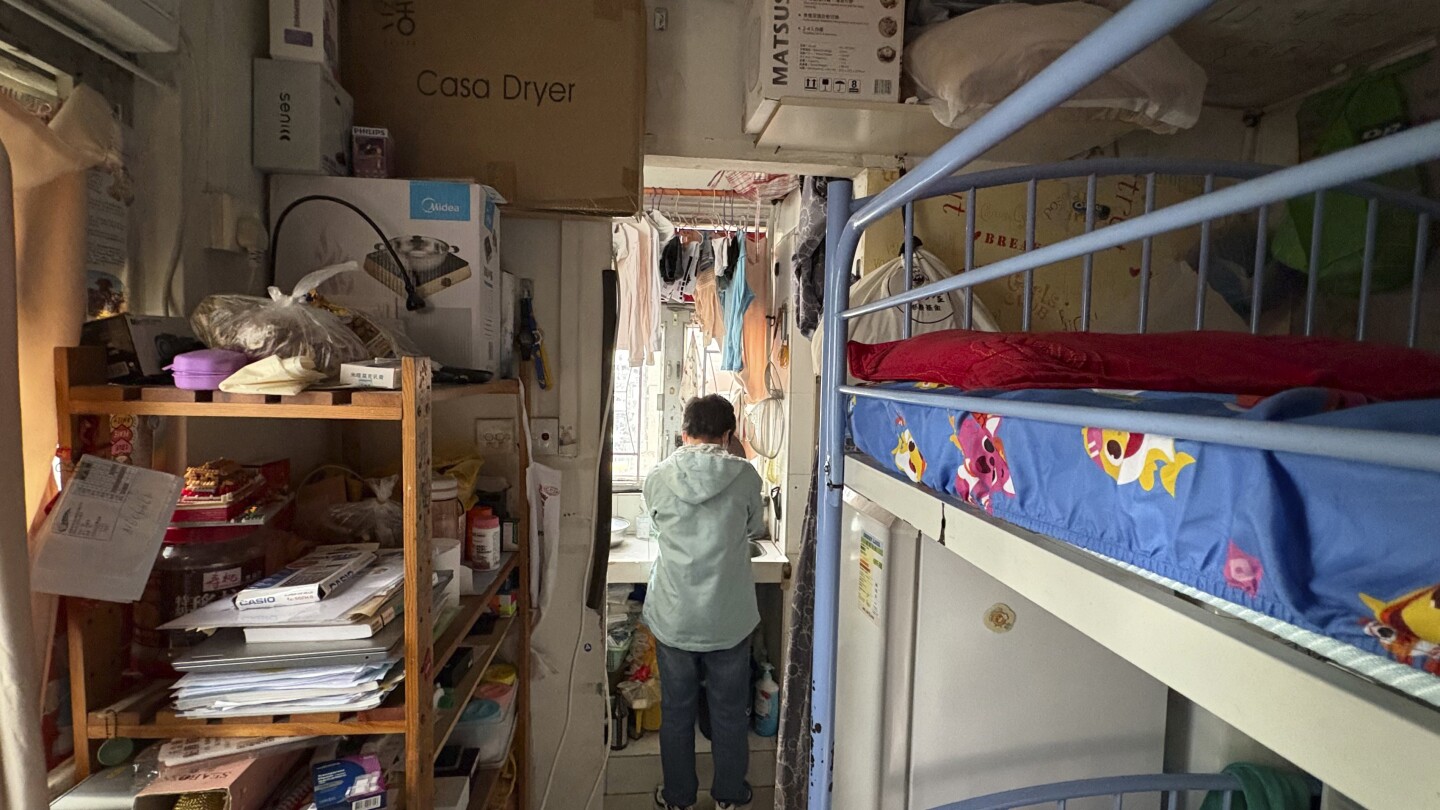
Hong Kong, known for its stunning skyline and bustling streets, faces a housing crisis that has led to a controversial proposal to ban tiny apartments. These substandard living spaces, often referred to as “coffin homes,” have become a lifeline for many low-income families struggling to survive in one of the world’s most expensive cities. As the government moves forward with plans to outlaw these cramped quarters, questions arise about the broader implications for housing affordability and urban living.
The Context of Tiny Apartments in Hong Kong
Hong Kong is notorious for its high population density, with more than 7.5 million people crammed into just 1,104 square kilometers. This situation has driven many residents to seek affordable housing options, leading to the rise of tiny apartments. These units often measure less than 100 square feet and are characterized by their minimal amenities and cramped living conditions.
For many low-income families, tiny apartments represent one of the few available options for housing. According to recent reports, around 200,000 people in Hong Kong live in subdivided flats, which are often poorly maintained and lack basic facilities. The government’s plan to ban these apartments aims to address health and safety concerns, but it also raises pressing questions about the future of affordable housing in the city.
The Government’s Position on the Ban
The Hong Kong government argues that banning tiny apartments is essential for improving living conditions. Authorities emphasize that many of these units are substandard, lacking proper ventilation, sanitation, and safety measures. They believe that outlawing such accommodations will encourage developers to invest in more sustainable housing solutions.
Moreover, the government aims to uphold public health standards and protect vulnerable populations from exploitative landlords. The proposed ban is part of a broader strategy to tackle the housing crisis through measures such as increasing land supply and enhancing public housing programs. However, the effectiveness of these measures remains to be seen.
The Concerns of Low-Income Families
While the intentions behind the ban may be noble, low-income families are understandably anxious about the implications. Many fear that the elimination of tiny apartments will lead to a significant increase in rental prices for the remaining housing options. The demand for affordable housing is already at a critical level, and with fewer options available, landlords may feel empowered to raise rents.
Furthermore, the lack of affordable alternatives poses a daunting challenge for families who rely on these tiny units. For many, moving to a larger apartment is not a feasible option due to financial constraints. The prospect of being forced out of their homes into a rental market that is already exorbitantly priced is a nightmare scenario for many low-income residents.
Potential Consequences of the Ban
As the debate over the ban unfolds, several potential consequences emerge:
- Increased Rents: With the removal of tiny apartments, the available housing stock may become even more limited, driving up rental prices.
- Heightened Homelessness: Families unable to afford the rising rents may face eviction or be forced into homelessness.
- Development of New Housing Models: The ban could spur innovation in housing design, leading to the development of more space-efficient living solutions.
- Social Displacement: Low-income families may be pushed out of urban centers, affecting community ties and social stability.
Exploring Alternative Solutions
In light of these concerns, it’s crucial to explore alternative solutions that could alleviate the housing crisis without exacerbating the struggles of low-income families. Some potential approaches include:
- Increasing Public Housing: Expanding government-funded housing projects can provide more affordable options for families in need.
- Incentivizing Private Developers: The government could offer incentives to private developers who build affordable housing units, ensuring that these options are available to low-income families.
- Implementing Rent Control Measures: Introducing rent control can help stabilize rental prices and protect tenants from sudden increases.
- Encouraging Cooperative Housing: Supporting community-based housing cooperatives can empower residents to take control of their living situations.
The Role of Community Engagement
Effective solutions will require collaboration between the government, developers, and the community. Engaging with residents to understand their needs and concerns is paramount. Community forums and public consultations can provide a platform for dialogue and help to shape policies that are more inclusive and equitable.
Furthermore, advocacy groups play a vital role in amplifying the voices of those most affected by the housing crisis. By raising awareness and pushing for policy changes, these organizations can help ensure that the needs of low-income families are prioritized in any discussions surrounding housing reforms.
Hong Kong’s controversial plan to ban tiny apartments is a double-edged sword, presenting both opportunities and challenges for low-income families. While the intention to improve living conditions is commendable, the potential consequences of rising rents and diminished housing options are concerning. As the city grapples with its housing crisis, it is imperative that policymakers consider the voices of those affected and explore comprehensive solutions that prioritize affordable housing for all.
In conclusion, while the ban on tiny apartments may aim to solve pressing health and safety issues, its broader implications for housing affordability and low-income families cannot be overlooked. Striking a balance between improving living conditions and ensuring access to affordable housing will be crucial in navigating this complex landscape.
See more CCTV News Daily