India’s Inflation Decline: Understanding the 3.16% Rate and Its Economic Impact
India’s inflation rate dropped to 3.16% in April 2023, marking a six-month consecutive decline from its peak of 7.79% in April 2022. The latest Consumer Price Index (CPI) data, released by the Ministry of Statistics and Programme Implementation, signals easing price pressures but raises critical questions about economic growth, consumer spending, and monetary policy adjustments. Analysts attribute the slowdown to falling food prices, stable fuel costs, and the Reserve Bank of India’s (RBI) aggressive rate hikes.
Key Drivers Behind the Inflation Slowdown
The primary contributors to India’s cooling inflation include:
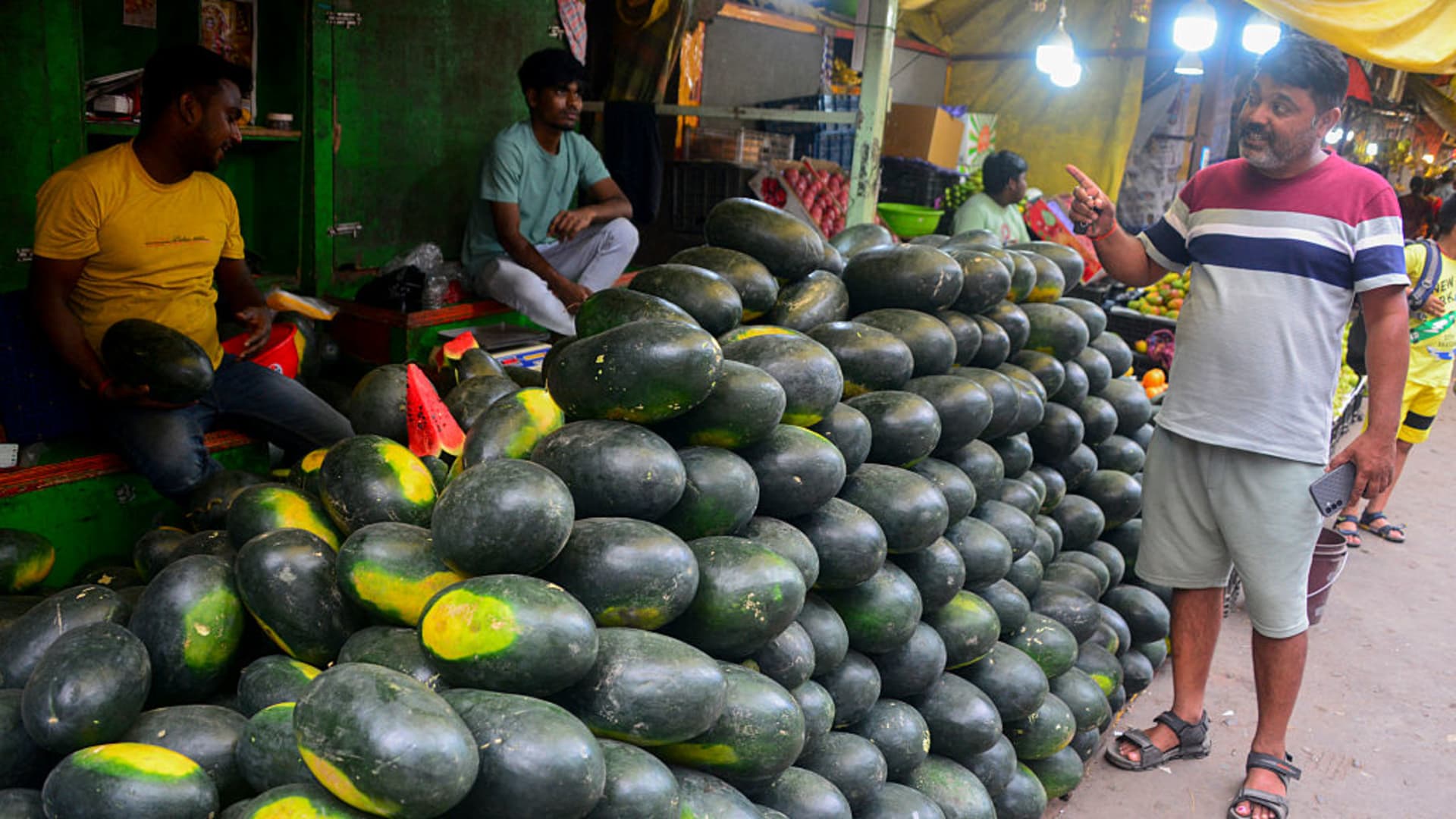
- Food price deflation: Food inflation, which accounts for nearly 40% of the CPI basket, fell to 2.91% in April from 4.79% in March, with vegetables and edible oils leading the decline.
- Fuel and light costs: Global crude oil prices stabilizing below $80/barrel and government subsidies on LPG cylinders helped curb energy inflation.
- Monetary policy: The RBI’s cumulative 250 basis points rate hike since May 2022 has tempered demand-side pressures.
“This isn’t just a statistical correction but reflects improved supply chains and strategic policy interventions,” notes Dr. Rucha Desai, Chief Economist at Mumbai-based Horizon Financial Advisors. “However, core inflation—excluding food and fuel—remains sticky at 5.7%, indicating underlying cost pressures in services and manufactured goods.”
Mixed Reactions from Stakeholders
While consumers welcome relief from high prices, economists warn of potential downsides:
- Consumers: Lower inflation boosts purchasing power, especially for low-income households spending 50-60% of their income on food.
- Businesses: Manufacturers face squeezed margins as wholesale price inflation (-0.92% in April) diverges from retail inflation.
- Farmers: Falling food prices may reduce rural incomes, exacerbating the urban-rural divide.
Rajiv Mehta, Director of the Indian Chamber of Commerce, cautions: “Sustained low inflation could signal weak demand, which may deter private investment. The RBI must walk a tightrope between controlling prices and fostering growth.”
Policy Implications and the RBI’s Next Moves
With inflation now within the RBI’s 2-6% target band, analysts anticipate a pause in rate hikes. However, monsoon forecasts and global commodity trends remain wild cards:
- The IMD predicts a normal monsoon in 2023, which could further ease food inflation.
- Global factors like OPEC+ production cuts and El Niño risks may reverse recent gains.
“April’s numbers buy the RBI time to assess Q1 growth data before its June meeting,” explains Sanjay Gupta, Head of Research at ICRA Securities. “A shift toward growth-supportive policies seems likely unless core inflation spikes unexpectedly.”
Long-Term Economic Outlook
The inflation decline presents both opportunities and challenges for India’s $3.5 trillion economy:
- Positive: Lower borrowing costs could revive real estate and auto sectors; stable prices may attract foreign investors.
- Risks: If deflationary trends emerge in select sectors, employment and wage growth could suffer.
As Finance Minister Nirmala Sitharaman prepares for the 2023-24 Union Budget, experts urge targeted measures:
- Boost agricultural infrastructure to prevent volatile food price swings
- Incentivize manufacturing to address core inflation
- Expand social safety nets to protect vulnerable groups
What This Means for You
For everyday Indians, the inflation dip offers breathing room but warrants cautious optimism:
- Savers: Fixed deposit rates may decline; consider locking in higher rates soon.
- Borrowers: Home and auto loans could become cheaper if the RBI cuts rates later this year.
- Investors: Equity markets may benefit from stable macros, but sector-specific risks persist.
While 3.16% inflation provides temporary relief, structural reforms remain crucial for sustainable growth. Follow our economic coverage for real-time updates on RBI policy decisions and market trends.
See more CCTV News Daily