Unraveling the Insurance Crisis: What California’s Fires Mean for the Future
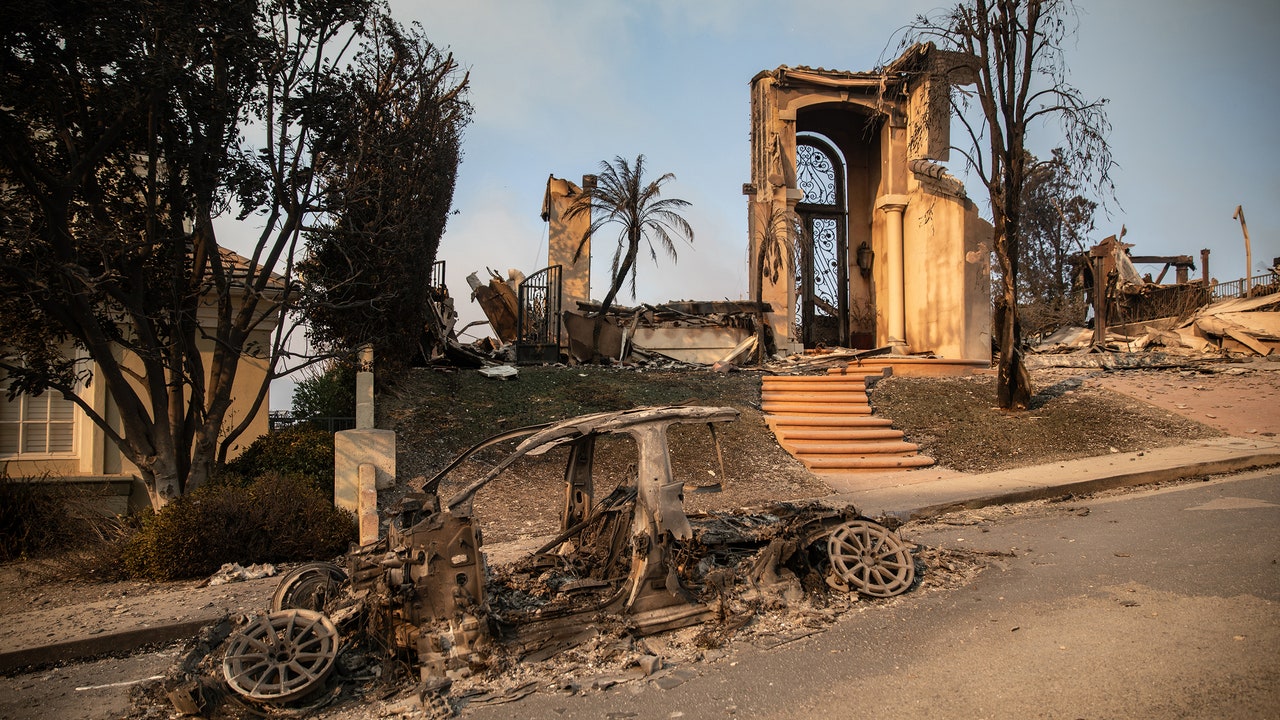
As California endures the unrelenting onslaught of wildfires, the state finds itself at a critical juncture. The flames that ravage homes and habitats are not just environmental disasters; they are also igniting a burgeoning insurance crisis that could reshape the landscape for homeowners and insurance providers alike. The repercussions of these catastrophic events extend beyond immediate loss, prompting a necessary examination of what this means for the future of insurance in California and beyond.
The Wildfire Landscape in California
California is no stranger to wildfires, but recent years have shown a marked increase in both frequency and intensity. Factors such as climate change, prolonged droughts, and forest mismanagement contribute to a landscape that is increasingly susceptible to devastating fires. In 2020 alone, over 4 million acres were scorched, leaving thousands of families displaced and communities devastated.
This perpetual cycle of destruction has led to a significant uptick in claims made to insurance companies. As these companies face mounting losses, the viability of insuring homes in wildfire-prone areas is being called into question.
The Insurance Crisis Unfolds
The insurance crisis in California is characterized by rising premiums, reduced coverage options, and, in some cases, outright refusal to provide coverage in high-risk areas. As insurers grapple with the financial toll of wildfires, many are adjusting their policies to mitigate losses. This shift has profound implications for homeowners seeking protection in an increasingly uncertain environment.
- Rising Premiums: Homeowners are facing skyrocketing insurance costs. According to the California Department of Insurance, average premiums have surged by over 10% annually in recent years.
- Policy Cancellations: Insurers are opting to cancel policies for homes in high-risk areas. This leaves many homeowners scrambling for alternatives in a dwindling market.
- Limited Coverage: Even when coverage is available, it often comes with higher deductibles and exclusions for fire-related damages.
Why Are Insurers Pulling Back?
Understanding the rationale behind the insurance industry’s retreat from high-risk areas requires a closer look at the financial mechanics at play. Insurers operate on a model that balances risk with profitability. When the risk of loss becomes too high, as it has in many parts of California, companies must reevaluate their exposure.
Key factors influencing this trend include:
- Increased Claims: The volume of claims related to wildfires has escalated significantly, leading to substantial payouts that exceed premiums collected.
- Reinsurance Costs: Insurers rely on reinsurance to hedge against large losses. As the costs of reinsurance rise due to the increased risk of wildfires, primary insurers must pass these costs onto policyholders.
- Regulatory Environment: California’s regulatory framework can complicate the ability of insurers to raise rates or limit coverage, creating a challenging landscape for companies.
Impacts on Homeowners
The implications for homeowners are dire. As more insurers withdraw from the market or tighten coverage, residents in fire-prone areas face daunting challenges:
- Affordability: Many families are being priced out of the insurance market altogether, risking financial ruin in the event of a disaster.
- Increased Vulnerability: Without adequate insurance, homeowners may be left to fend for themselves after a fire, leading to devastating personal and financial consequences.
- Property Values: The insurance crisis can lead to declining property values, as potential buyers are deterred by the lack of coverage options.
Government Response and Future Outlook
In response to the insurance crisis, California’s government has taken steps to stabilize the market. Initiatives include:
- Insurance Commissioner Actions: The California Insurance Commissioner has been working to ensure insurers fulfill their obligations to policyholders, while also exploring options to facilitate coverage availability.
- State-Backed Insurance Programs: Programs like the California Fair Plan provide coverage for high-risk homeowners, though these options often come with limited benefits.
- Investment in Wildfire Prevention: Increased funding for forest management and fire prevention measures aims to reduce the risk of catastrophic fires and, in turn, lower insurance costs.
While these measures are promising, they may not be enough to fully address the challenges posed by California’s wildfire risks. The landscape of home insurance is likely to continue evolving as companies and homeowners alike adapt to the new normal.
Looking Ahead: What Residents Can Do
For California homeowners, navigating the insurance landscape requires proactive measures. Here are some steps residents can take to safeguard their homes and finances:
- Shop Around: Don’t settle for the first quote. Comparing policies from various insurers can reveal better options and pricing.
- Consider Risk Mitigation: Investing in fire-resistant materials and defensible space around homes can reduce risk and may lead to lower premiums.
- Stay Informed: Keeping abreast of changes in local regulations, insurance policy options, and available state resources is essential.
A Path Forward
The insurance crisis spurred by California’s wildfires is a complex issue that will require collaboration between homeowners, insurers, and government entities. While the challenges are significant, there is also opportunity for innovation in how risk is managed and insured. By embracing new technologies, fostering community resilience, and implementing effective risk management strategies, California can navigate this crisis and emerge more robust than before.
In conclusion, while the insurance crisis is indeed a pressing concern for California’s future, it is not insurmountable. With a collective effort, the state can work towards a more sustainable model of insurance that protects homeowners while managing the risks associated with natural disasters.
See more CCTV News Daily