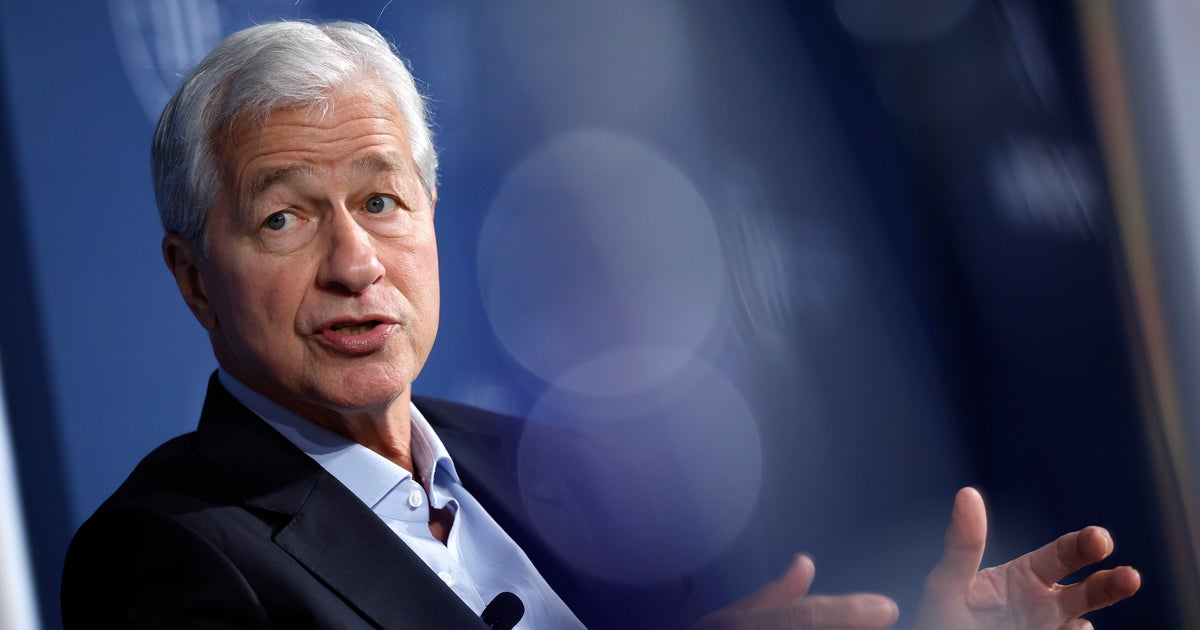
JPMorgan Chase CEO Jamie Dimon issued a sobering assessment of the U.S. economy this week, cautioning that “considerable turbulence” lies ahead due to persistent inflation, geopolitical tensions, and tightening monetary policies. Speaking at a financial conference in New York on Wednesday, Dimon urged investors and policymakers to brace for potential volatility, emphasizing the need for strategic preparedness amid unpredictable conditions.
The Roots of Dimon’s Economic Concerns
Dimon’s warning stems from a confluence of domestic and global pressures. Inflation, which peaked at 9.1% in June 2022, remains stubbornly above the Federal Reserve’s 2% target, clocking in at 3.4% as of April 2024. Meanwhile, the Fed’s aggressive rate hikes—raising the benchmark rate from near zero in early 2022 to 5.25%-5.5% today—have heightened borrowing costs, squeezing businesses and consumers alike.
“The economy is walking a tightrope,” Dimon remarked. “While employment numbers are strong today, the lag effect of higher rates could trigger a slowdown, especially in sectors like real estate and manufacturing.” His concerns echo recent data from the Commerce Department showing a 0.4% contraction in Q1 2024 GDP growth, the first decline in over a year.
Geopolitical Risks and Market Volatility
Beyond domestic challenges, Dimon highlighted geopolitical instability as a wildcard. Escalating trade tensions with China, the ongoing war in Ukraine, and disruptions in global supply chains threaten to exacerbate inflationary pressures. “We’re in an era where geopolitical shocks are the new normal,” said Rebecca Patterson, former chief investment strategist at Bridgewater Associates. “Businesses must build resilience into their models.”
- Energy Prices: Oil prices surged 15% year-to-date due to Middle East conflicts.
- Supply Chains: 40% of firms report delays in critical imports, per a McKinsey survey.
- Trade Policies: U.S.-China tariffs on $350 billion in goods remain unresolved.
Divergent Views: Optimism vs. Caution
While Dimon’s outlook is cautious, some economists argue the U.S. economy is more resilient than it appears. “Consumer spending accounts for 70% of GDP, and it’s holding up,” noted Mark Zandi, chief economist at Moody’s Analytics. “If the Fed pivots to rate cuts later this year, we could avoid a hard landing.”
However, skeptics point to warning signs like rising credit card delinquencies (up 2.3% in Q1) and a 20% drop in commercial real estate transactions. “The cracks are starting to show,” warned Nela Richardson, ADP’s chief economist. “Small businesses and overleveraged households are particularly vulnerable.”
Strategic Recommendations for Stakeholders
Dimon advised businesses and investors to adopt defensive strategies:
- Diversify portfolios: Hedge against inflation with commodities and Treasury bonds.
- Prioritize liquidity: Maintain cash reserves to weather potential downturns.
- Monitor policy shifts: Stay agile amid changing Fed and fiscal policies.
The Road Ahead: Preparing for Uncertainty
As the U.S. navigates this precarious phase, Dimon’s insights underscore the importance of vigilance. Policymakers face a delicate balancing act—curbing inflation without stifling growth—while businesses must adapt to a higher-cost environment. For everyday Americans, the advice is straightforward: reduce debt, build savings, and stay informed.
“History shows economies recover, but the path is rarely smooth,” Dimon concluded. “Preparation is the best antidote to uncertainty.” For those seeking deeper analysis, subscribe to our financial newsletter for real-time updates and expert commentary.
See more CCTV News Daily