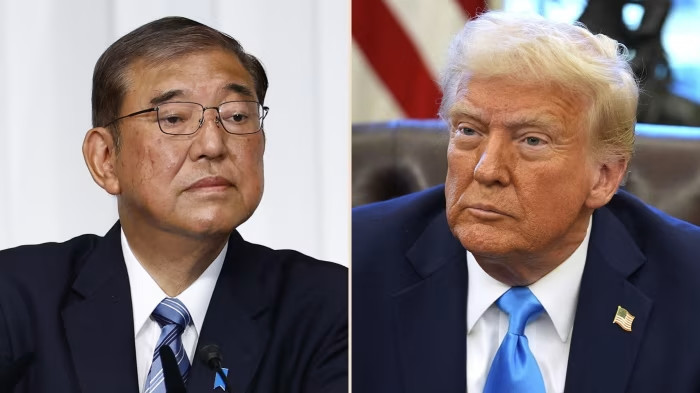
Japan’s Trade Minister Seeks Exemptions from US Tariffs: What’s at Stake?
As Japan’s trade minister embarks on a critical trip to Washington, the spotlight shines on the ongoing negotiations concerning US tariffs. The stakes are undeniably high, with Japan striving to secure exemptions that are crucial for its economy. This moment not only reflects the complexities of international trade but also the intricate web of geopolitical relationships that could impact global markets.
The Context of the Current Trade Climate
In recent years, trade tensions have escalated not just between the United States and China, but also among its allies, including Japan. The US has imposed tariffs on a variety of goods, citing national security concerns and trade imbalances. These tariffs have sparked significant backlash from various countries, particularly those heavily reliant on exports to the US.
Japan, as one of the largest economies globally, finds itself at a crossroads. The country’s reliance on exports—particularly automobiles and electronics—means that any increase in tariffs could have dire consequences for its economy. The trade minister’s visit is not merely a diplomatic formality; it is a crucial attempt to safeguard Japan’s economic interests.
What Japan is Seeking
During this visit, Japan’s trade minister aims to negotiate exemptions from certain tariffs that the US has imposed. These tariffs, particularly on steel and aluminum, have affected numerous Japanese companies. The minister is advocating for a more favorable trade environment, hoping to reduce the financial burden on Japanese exporters.
**Key objectives include:**
- Securing exemptions for key industries, especially automotive and electronics.
- Developing a framework for fair trade practices that avoids unilateral tariff hikes.
- Strengthening bilateral trade relations to foster cooperation in various sectors.
The Potential Consequences of Not Securing Exemptions
If Japan fails to obtain the desired exemptions from US tariffs, the repercussions could be significant:
- Economic Impact: Increased costs for Japanese manufacturers could lead to higher prices for consumers and reduced competitiveness in the global market.
- Employment Risks: Industries heavily affected by tariffs might face layoffs or reduced hiring, impacting the overall job market in Japan.
- Strained Relations: A failure to negotiate could sour US-Japan relations, leading to broader geopolitical tensions.
The Broader Implications for Global Trade
The outcome of these negotiations extends beyond Japan and the US. A successful exemption could set a precedent for other nations facing similar tariff challenges. It could encourage a more collaborative approach to international trade, where dialogue and negotiation replace confrontation and unilateral actions.
Conversely, a failure could embolden protectionist policies worldwide, leading to a fragmented global trade environment. Such developments could hinder economic growth and innovation, as countries may retreat into self-sufficient models rather than engaging in mutually beneficial trade.
The Importance of Diplomatic Engagement
Diplomacy plays a crucial role in addressing trade issues. Japan’s trade minister’s visit to Washington symbolizes a proactive approach to resolving disputes and fostering understanding. Engaging in direct dialogue can help bridge gaps and create conditions for mutual benefit.
The minister’s team has been working diligently to prepare for this meeting, gathering data and insights that highlight Japan’s contributions to the US economy. They aim to illustrate how Japanese companies provide jobs and technological advancements in the US, reinforcing the idea that cooperation is more beneficial than conflict.
Potential Strategies for Negotiation
To maximize the chances of success, Japan’s trade minister may consider several strategies:
- Highlighting Mutual Benefits: Emphasizing how Japanese exports contribute to the US economy can help make a compelling case for exemptions.
- Building Alliances: Collaborating with other affected nations could create a unified front, increasing pressure on the US to reconsider its tariff stance.
- Offering Compromises: Japan might propose trade incentives or concessions in other areas to gain favor in tariff negotiations.
Looking Ahead: The Future of US-Japan Trade Relations
Regardless of the immediate outcome of this trip, the long-term future of US-Japan trade relations will depend on sustained engagement and adaptability. Both nations need to navigate the complexities of global trade while addressing domestic pressures and international expectations.
As the world becomes increasingly interconnected, fostering strong ties between major economies like Japan and the US is essential. This not only promotes economic stability but also contributes to geopolitical security in an ever-evolving landscape.
Conclusion: A Pivotal Moment for Japan
Japan’s trade minister’s visit to Washington represents a pivotal moment in the ongoing saga of US tariffs. The stakes are indeed high, with potential implications that could reverberate throughout the global economy. Securing the necessary exemptions is crucial for Japan to maintain its competitive edge and ensure economic stability.
As negotiations unfold, both Japan and the US have the opportunity to reaffirm their commitment to cooperative trade practices, potentially leading to a more prosperous future for both countries. The world will be watching closely, as the outcomes of these discussions could shape the trajectory of international trade in the years to come.
See more CCTV News Daily