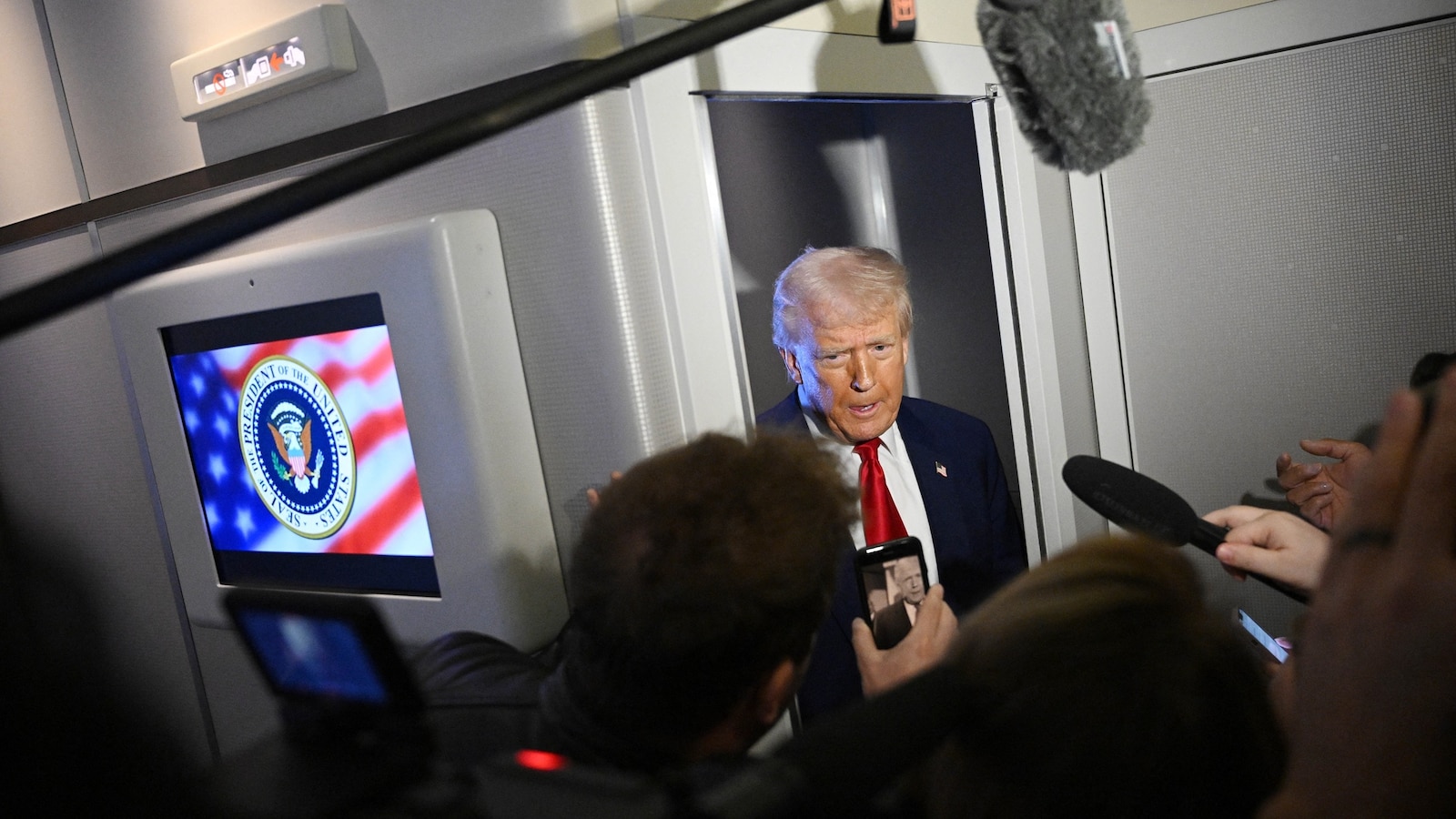
Legal Showdown: Conservative Lawyers Mobilize Against Trump’s Tariffs
A coalition of prominent conservative lawyers is preparing a sweeping legal challenge against tariffs imposed during Donald Trump’s presidency, setting the stage for a high-stakes battle over trade policy. The group argues these measures overstepped executive authority, harmed businesses, and disrupted free-market principles. The case could reshape U.S. trade law and ignite fresh debates over presidential power.
The Coalition’s Case: Executive Overreach and Economic Fallout
Led by constitutional scholars and veteran trade attorneys, the coalition contends that Trump’s tariffs—particularly those under Section 232 of the Trade Expansion Act of 1962—violated congressional intent. They allege the former president weaponized national security claims to justify levies on allies like Canada and the European Union, bypassing checks and balances.
“The statute was never designed to be a blank check for unilateral trade wars,” said Jonathan Ellis, a former Department of Commerce attorney now advising the coalition. “These tariffs were economically punitive and legally dubious, costing American businesses over $70 billion in additional costs since 2018.”
Data Highlights the Tariffs’ Impact
Research underscores the coalition’s claims:
- A 2021 Tax Foundation study found Trump’s tariffs reduced long-term GDP by 0.2% and eliminated over 160,000 jobs.
- U.S. steel prices surged 40% above global averages after Section 232 tariffs took effect, per Commerce Department data.
- Retaliatory tariffs from China slashed agricultural exports by $27 billion between 2018–2020, hitting Midwest farmers hardest.
Divergent Views: Defenders Cite Strategic Gains
Proponents argue the tariffs revitalized critical industries. “Domestic steel production capacity grew by 20% post-tariffs, safeguarding national security,” countered Linda Crawford, a trade analyst at the Heritage Foundation. “Rolling them back risks dependency on adversarial nations like China.”
However, critics note that manufacturing job growth plateaued by 2019, while supply chain disruptions worsened. “The tariffs were a blunt instrument with collateral damage,” Ellis added. “Small manufacturers using imported materials faced existential cost hikes.”
Legal Pathways and Potential Outcomes
The coalition plans to file suits in multiple federal circuits, arguing Section 232 delegations violate the “non-delegation doctrine,” which limits Congress’s ability to transfer legislative powers to the executive. A 2022 Supreme Court ruling (West Virginia v. EPA) revived scrutiny of such delegations, offering a potential precedent.
Broader Implications for Trade Policy
If successful, the lawsuits could:
- Force Congress to redefine presidential trade authority
- Unwind existing tariffs, lowering costs for import-reliant industries
- Set stricter standards for “national security” justifications
What’s Next: A Political and Legal Tightrope
The Biden administration has retained most Trump-era tariffs, complicating partisan alignments. While some Democrats support reforms, others fear undermining leverage against China. Meanwhile, businesses await clarity. “Uncertainty stifles investment,” said Ellis. “This case isn’t just about the past—it’s about preventing future overreach.”
Call to Action: Follow ongoing developments via the U.S. Court of Appeals dockets or subscribe to trade policy updates from nonpartisan groups like the Cato Institute.
See more CCTV News Daily