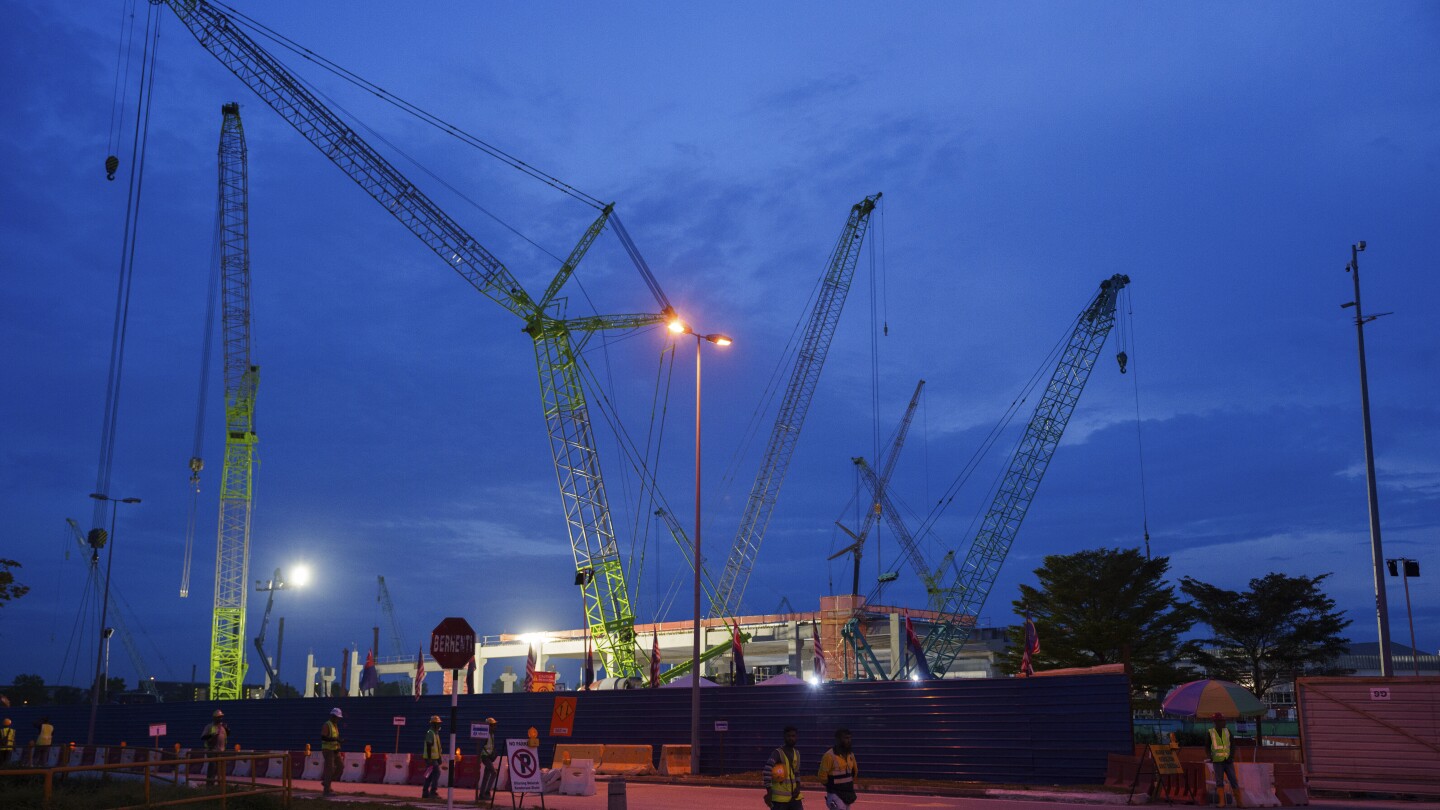
Malaysia’s Data Center Gamble: Economic Boon or Hidden Cost?
As Malaysia strides towards a digital future, the government is heavily investing in data centers, aiming to position the country as a regional hub for technology and innovation. The push for these facilities is not merely a trend; it’s part of a broader strategy to stimulate economic growth and attract foreign investments. However, experts caution that this ambitious endeavor may come with hidden costs that could overshadow the anticipated benefits. So, is Malaysia’s data center gamble an economic boon or a potential burden?
The Rise of Data Centers in Malaysia
In recent years, Malaysia has seen a surge in the establishment of data centers. Companies like Google, Microsoft, and Amazon have either announced or expanded their operations in the country. This influx is largely driven by the increasing demand for cloud computing and data storage, fueled by the digital transformation of businesses worldwide.
Malaysia’s strategic location in Southeast Asia, combined with its robust infrastructure and supportive government policies, makes it an attractive destination for data center investment. The government’s National Digital Economy and Fourth Industrial Revolution (4IR) policy outlines a vision to elevate the country’s digital economy, aiming to generate significant contributions to the GDP.
Economic Benefits of Data Centers
Investing in data centers offers several advantages that could potentially boost Malaysia’s economy:
- Job Creation: Data centers require a wide range of skilled professionals, from engineers to IT specialists. This demand can create thousands of jobs and stimulate the local economy.
- Foreign Investment: As global tech giants set up operations in Malaysia, it attracts further investments from other companies looking to leverage the existing infrastructure.
- Technological Advancement: The presence of data centers encourages innovation and the development of related technologies, fostering a tech-savvy workforce.
- Regional Hub: Positioning Malaysia as a data center hub can increase its global competitiveness, turning it into a critical player in the Asia-Pacific region.
The Hidden Costs of Data Center Expansion
While the benefits are enticing, it’s essential to analyze the potential hidden costs associated with the rapid expansion of data centers in Malaysia:
1. Environmental Impact
Data centers consume vast amounts of energy, leading to concerns about their carbon footprint. Malaysia, known for its rich biodiversity, faces challenges in balancing economic growth with environmental sustainability. Increased energy consumption can exacerbate issues related to greenhouse gas emissions and climate change.
2. Infrastructure Strain
The influx of data centers could put a strain on existing infrastructure, including power supply and telecommunications networks. If not adequately addressed, this could lead to service disruptions and increased costs for consumers.
3. Resource Allocation
Investing heavily in data centers may divert resources from other critical sectors, such as education and healthcare. A disproportionate focus on technology could widen the gap in socioeconomic development if not managed prudently.
4. Cybersecurity Risks
As more data centers are established, the risks associated with cybersecurity grow. Protecting sensitive information from cyber threats is paramount, and any breach could have severe repercussions for businesses and consumers alike.
Balancing Growth and Sustainability
To ensure that Malaysia’s data center gamble yields positive results, a balance between growth and sustainability is crucial. Here are a few strategies that could help:
- Green Data Centers: Promoting the development of energy-efficient and environmentally friendly data centers can mitigate some of the ecological impacts. Utilizing renewable energy sources, such as solar or wind power, can significantly reduce carbon emissions.
- Infrastructure Investment: The government should invest in upgrading infrastructure to support the growing number of data centers. This includes enhancing power supply systems and improving internet connectivity.
- Policy Framework: Establishing a comprehensive policy framework that addresses environmental sustainability, cybersecurity, and resource allocation will be vital in guiding the data center industry towards responsible growth.
- Public Awareness: Engaging the public and raising awareness about the importance of sustainable practices in the tech industry can foster a more informed and supportive community.
Expert Opinions on Malaysia’s Data Center Strategy
Industry experts have mixed feelings about Malaysia’s aggressive approach to data center expansion. According to Dr. Aisha Rahman, a technology analyst, “While the investment in data centers is a step in the right direction, the government must ensure that the growth does not come at the expense of the environment and societal well-being.”
Conversely, tech entrepreneur Amir Hassan believes that “the potential for economic growth is immense. If managed properly, data centers can transform Malaysia into a leading digital economy in the region.”
Conclusion: The Future of Malaysia’s Data Center Gamble
In conclusion, Malaysia’s data center gamble presents a unique opportunity to drive economic growth and establish itself as a regional technology hub. However, the hidden costs associated with this rapid expansion demand careful consideration. By prioritizing sustainability, investing in infrastructure, and implementing robust policies, Malaysia can harness the benefits of data centers while mitigating potential risks.
Ultimately, the success of this gamble will hinge on the country’s ability to balance its ambitions against the realities of environmental and societal impacts. As Malaysia moves forward, it must navigate this complex landscape with foresight, ensuring that its pursuit of technological advancement does not compromise its foundational values.
See more CCTV News Daily