Mexico’s Retaliatory Tariffs: A New Chapter in U.S.-Mexico Trade Relations
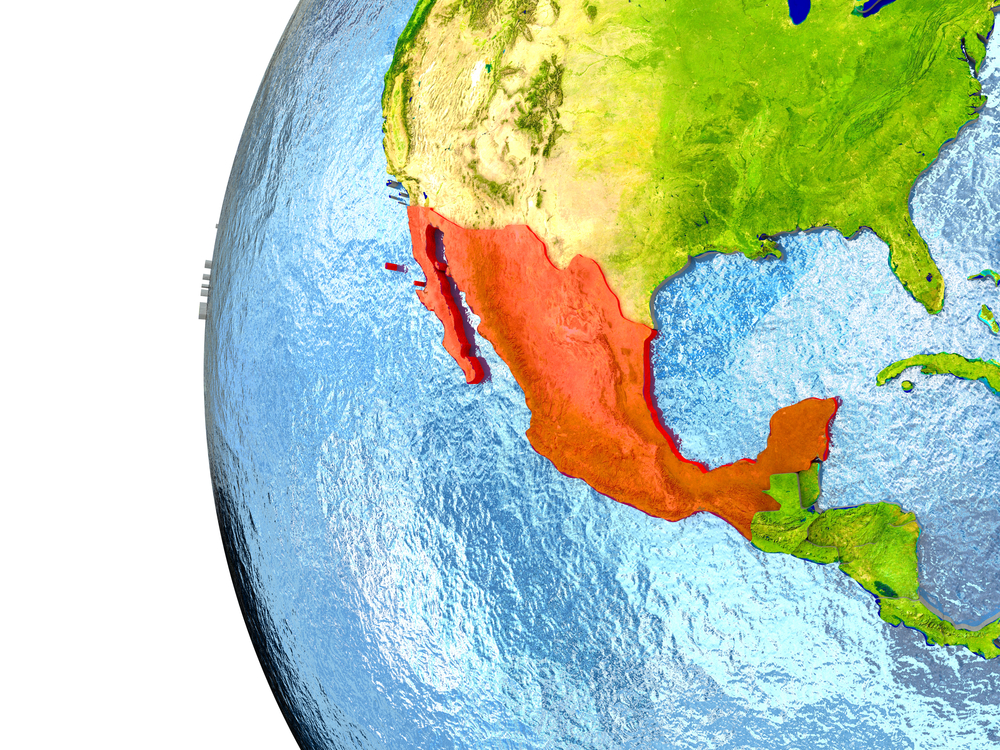
In recent developments, tensions between the United States and Mexico have reached a critical point as Mexico prepares to implement retaliatory tariffs on a range of U.S. goods. This move comes in response to ongoing disputes that have increasingly put the two countries’ trade relationships under strain. As the world’s two largest trading partners—who share an over 2,000-mile border—navigate complex economic and political landscapes, the consequences of these tariffs could reverberate beyond bilateral trade, influencing global markets and broader geopolitical dynamics.
The Road to Retaliatory Tariffs
The potential for tariffs emerged from a series of contentious trade issues between the U.S. and Mexico. While tariffs are not new to international trade disputes, the scope and significance of these actions have raised alarms across industries reliant on smooth cross-border trade. Mexico’s retaliatory tariffs are seen as a response to various U.S. policies that have placed economic pressure on Mexican industries, particularly in the areas of agriculture, manufacturing, and energy.
In recent years, U.S. tariffs on steel, aluminum, and various agricultural products have severely impacted Mexican producers. Moreover, political maneuvers surrounding immigration and border security have exacerbated tensions, with Mexico often caught in the crossfire of domestic U.S. policy debates. As a result, Mexico has indicated its willingness to respond in kind, preparing tariffs that would affect U.S. exports to its markets.
The Economic Impact of Retaliatory Tariffs
The imposition of retaliatory tariffs is expected to have wide-ranging effects on both economies, as the U.S. and Mexico are highly interdependent in terms of trade. According to data from the Office of the U.S. Trade Representative, Mexico is one of the United States’ largest trading partners, with bilateral trade reaching over $600 billion annually. The industries most likely to be affected include:
- Automotive Industry: The automotive sector is a key area where both countries are tightly linked. Retaliatory tariffs on car parts, vehicles, and automotive supplies could increase production costs for U.S. automakers, particularly those with manufacturing plants in Mexico.
- Agricultural Exports: The U.S. is a major exporter of agricultural products to Mexico, including corn, soybeans, and wheat. Tariffs on these products would not only disrupt supply chains but could also increase prices for consumers on both sides of the border.
- Technology and Electronics: As a growing hub for electronics manufacturing, Mexico is a critical player in the global supply chain for everything from smartphones to computer components. Retaliatory tariffs could impact the flow of these goods between the two nations, leading to higher costs for manufacturers and consumers alike.
Economists predict that these tariffs will result in price hikes, potentially stoking inflationary pressures on both sides. The broader economic consequences could also affect small and medium-sized businesses, which rely heavily on cross-border trade for their operations.
Political and Diplomatic Ramifications
While the trade implications of these tariffs are significant, the political fallout could be just as severe. Both Mexico and the U.S. have a long history of negotiating trade agreements and resolving disputes, but recent political dynamics have made such resolutions more challenging.
Mexican President Andrés Manuel López Obrador has long advocated for a more assertive stance in international trade negotiations, positioning Mexico as a defender of its sovereignty against foreign pressures. On the other hand, U.S. lawmakers have, at times, used tariffs as a tool to address domestic political issues, such as immigration reform and labor rights. The retaliatory tariffs could thus deepen existing divides and complicate future negotiations.
Furthermore, the tariffs could have diplomatic ramifications in broader international relations. Mexico’s actions may signal a shift in its approach to global trade, potentially encouraging other countries to adopt similar retaliatory measures. Given that Mexico is a key partner in various regional and global trade agreements, including the United States-Mexico-Canada Agreement (USMCA), these developments may strain the broader trading environment in North America.
Broader Implications for Global Trade
The escalation of trade tensions between the U.S. and Mexico is not an isolated event but part of a larger global trend toward protectionism. In recent years, the world has witnessed a rise in trade wars, particularly between major economic powers like the U.S., China, and the European Union. These protectionist measures have raised concerns about the potential for a global economic slowdown, with tariffs becoming a tool in geopolitical maneuvering rather than a solution to trade imbalances.
In the context of U.S.-Mexico trade, these retaliatory tariffs could have ripple effects that extend beyond North America. Many multinational corporations have integrated supply chains that span multiple countries, including Mexico. As a result, disruptions in trade between the two nations could lead to delays, increased costs, and supply chain reconfigurations that could affect global industries, from tech to automotive manufacturing.
Possible Pathways Forward
Although the imposition of retaliatory tariffs signals a significant escalation in U.S.-Mexico relations, there are pathways that both nations could explore to de-escalate tensions and find mutually beneficial solutions:
- Renewed Negotiations: Diplomatic negotiations could focus on addressing the root causes of the trade dispute, such as issues of tariffs on steel and aluminum, agricultural subsidies, and immigration-related policies. A renewed focus on multilateral trade agreements, such as the USMCA, could provide a framework for resolving some of these conflicts.
- Economic Cooperation: The U.S. and Mexico could increase efforts to strengthen their economic ties through joint investments, particularly in sectors like renewable energy, technology, and manufacturing. Greater collaboration could lead to mutual economic benefits and reduce the need for retaliatory measures.
- International Mediation: Third-party mediation by international organizations, such as the World Trade Organization (WTO), could offer a platform for resolving disputes in a more neutral and transparent manner, ensuring that the interests of both countries are represented.
The looming threat of retaliatory tariffs by Mexico marks a crucial moment in the ongoing evolution of U.S.-Mexico trade relations. While tariffs may provide short-term leverage, the long-term consequences of escalating trade tensions could be severe for both economies. As global trade becomes increasingly interconnected, it is essential for both nations to seek constructive dialogue and diplomatic solutions that foster cooperation rather than conflict.
The outcome of this trade dispute will likely have lasting effects not only on the bilateral relationship between the U.S. and Mexico but also on the broader global trading system. It remains to be seen whether the two nations can find common ground or whether the imposition of tariffs will escalate into a full-blown trade war that could reshape North American economic relations for years to come.
For further updates on the latest developments in U.S.-Mexico trade, visit Reuters.
See more CCTV News Daily