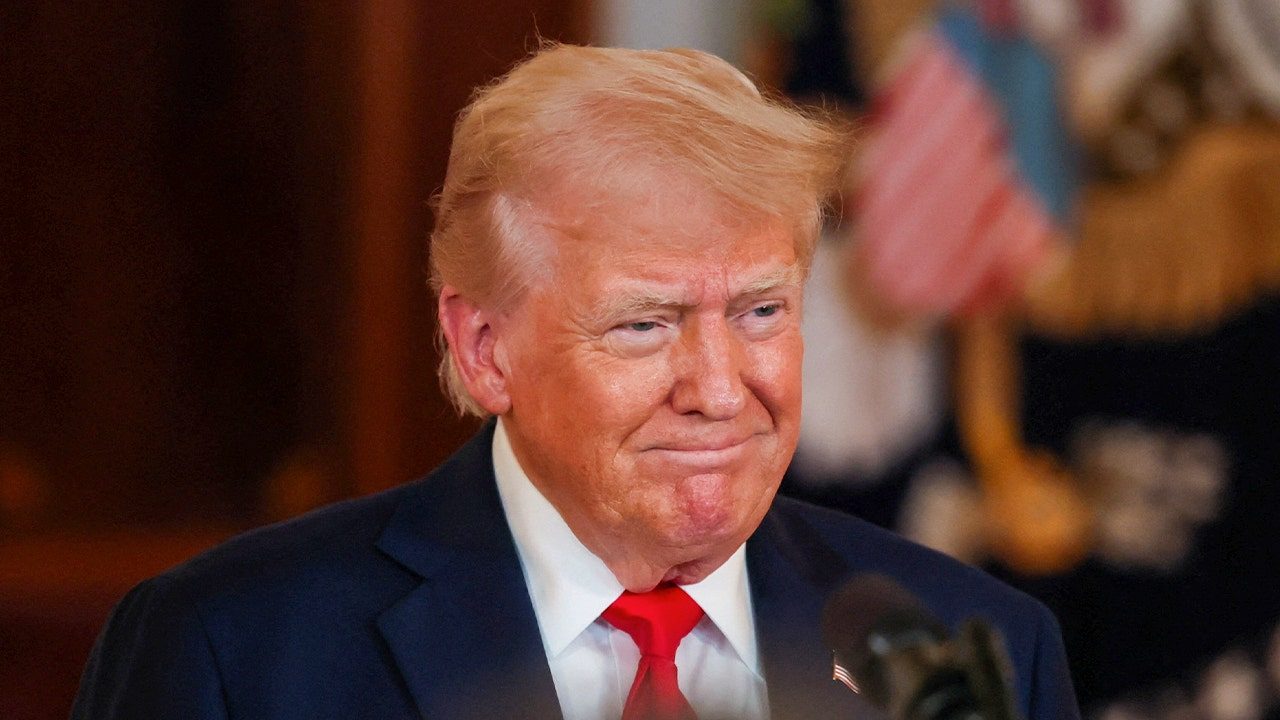
Former President Donald Trump is considering aggressive tariff strategies to address ongoing trade tensions, potentially altering the U.S. economic landscape if re-elected. Sources close to his campaign suggest he may expand tariffs on Chinese imports, impose new levies on allies, and renegotiate trade deals to prioritize American manufacturing. Economists warn such moves could trigger inflation, while supporters argue they would protect domestic industries. The debate highlights the delicate balance between protectionism and global competitiveness.
The Return of Trump’s Trade War Playbook
Trump’s previous administration imposed tariffs on over $300 billion worth of Chinese goods during the 2018-2019 trade war, with average duties jumping from 3.1% to 21%. Recent reports indicate he’s considering:
- Across-the-board 10% tariffs on all imports
- 60% or higher tariffs on Chinese goods
- Potential “reciprocal tariffs” matching other nations’ rates
“The President believes tariffs are essential negotiating tools,” said Robert Lighthizer, Trump’s former U.S. Trade Representative. “They force trading partners to the table and correct decades of unfair practices.” However, a 2023 Peterson Institute study found Trump’s initial tariffs cost U.S. consumers $51 billion annually while failing to significantly boost manufacturing jobs.
Economic Impacts and Industry Reactions
Business leaders remain divided. The National Retail Federation warns that expanded tariffs would increase consumer prices by 5-10% on everyday goods. Conversely, the Alliance for American Manufacturing supports tougher measures, citing China’s continued steel dumping that depressed U.S. production by 12% since 2015.
Key sectors facing potential disruption:
- Automotive: 25% tariffs on foreign vehicles could add $6,875 to average car prices (Center for Automotive Research)
- Electronics: 95% of smartphones are imported, primarily from China and Vietnam
- Agriculture: Retaliatory tariffs previously cost farmers $27 billion in exports
Global Trade Relationships at a Crossroads
Trump’s potential return comes as global supply chains finally recover from pandemic disruptions. The World Trade Organization predicts 3.3% growth in merchandise trade volume for 2024, but new tariffs could derail this progress. European Commission trade chief Valdis Dombrovskis stated, “Unilateral measures damage the rules-based trading system. We would respond proportionately to protect EU interests.”
Alternative Approaches to Trade Reform
Some economists advocate for targeted strategies rather than blanket tariffs:
- Strengthening export controls on sensitive technologies
- Expanding trade adjustment assistance for displaced workers
- Forming multilateral alliances to counter China’s trade practices
“The challenge,” notes Harvard economist Dani Rodrik, “is crafting policies that address genuine security concerns without sparking inflationary spirals or trade wars. Smart subsidies and R&D investments often prove more effective than blunt tariffs.”
The Political Calculus of Protectionism
Trade policy remains a potent political issue in swing states. A February 2024 Pew Research poll found:
- 52% of Americans view foreign trade as an opportunity for growth
- 42% see it as a threat to jobs and wages
- Support for tariffs splits sharply along party lines (68% GOP approval vs. 29% Democratic)
Trump’s team appears focused on Rust Belt voters, where his 2018 steel tariffs initially boosted domestic production by 6%. However, subsequent job growth plateaued as input costs rose for downstream manufacturers.
Preparing for Potential Trade Shocks
Businesses are developing contingency plans, with many accelerating “friendshoring” initiatives to shift production from China to allied nations. Mexico has emerged as a key beneficiary, with U.S.-Mexico trade reaching $798 billion in 2023 – a 17% increase from 2020.
Meanwhile, the Biden administration continues emphasizing diplomatic engagement, recently concluding 18 months of Indo-Pacific Economic Framework negotiations. This approach prioritizes standards alignment over punitive measures, though critics argue it lacks enforcement teeth.
What Comes Next in the Trade Policy Debate?
As campaign rhetoric intensifies, analysts identify three likely scenarios for 2025:
- Full-Scale Trade War: Widespread tariffs spark global retaliation and supply chain chaos
- Negotiated Adjustments: Targeted tariffs combined with new bilateral agreements
- Status Quo Plus: Retaining most current tariffs while avoiding major escalations
The ultimate impact may hinge on whether Trump can implement tariffs strategically rather than indiscriminately. As former Commerce Secretary Wilbur Ross cautioned, “Trade policy shouldn’t be vengeance – it should be about getting better deals. The art is knowing when to escalate and when to make concessions.”
With global economic stability in the balance, voters and businesses alike should stay informed about evolving trade proposals. Subscribe to our trade policy newsletter for ongoing analysis of how these developments could affect specific industries and investment strategies.
See more CCTV News Daily