New Tariff Exemptions: Biden Administration’s Strategic Trade Shift
The White House announced sweeping tariff exemptions on Wednesday, rolling back certain duties imposed during the Trump administration. The Biden administration’s move aims to ease costs for businesses and consumers while reshaping U.S. trade policy amid ongoing economic recovery efforts. The exemptions, covering over 350 product categories, target critical inputs for manufacturing and consumer goods, sparking debate over their long-term impact.
Breaking Down the Tariff Exemptions
The newly reinstated exclusions apply to tariffs initially levied under Section 301 of the Trade Act of 1974, which targeted Chinese imports. Key categories now exempt include:
- Industrial components like electric motors and machinery parts
- Consumer electronics and medical equipment
- Chemicals used in pharmaceuticals and agriculture
According to U.S. Trade Representative Katherine Tai, the decision reflects a “targeted approach to protect American competitiveness without exacerbating inflation.” The exemptions will remain in effect until December 31, 2024, with potential extensions under review.
Economic Implications for Businesses and Consumers
Analysts estimate the exemptions could save U.S. companies up to $3.5 billion annually in avoided tariffs. For manufacturers reliant on imported materials, the relief comes as a lifeline. “This is a game-changer for small and mid-sized manufacturers struggling with supply chain costs,” said Laura Thompson, executive director of the National Association of Manufacturers. “It allows us to reinvest in jobs rather than absorb punitive expenses.”
However, critics argue the move could undermine domestic production. “Selective tariff relief creates market distortions,” countered economist Mark Chen of the American Economic Policy Institute. “While some sectors benefit, others face renewed pressure from subsidized Chinese imports.”
Trade Policy in Flux: Political and Global Reactions
The announcement has drawn mixed responses from lawmakers and trading partners. Congressional Republicans have framed the exemptions as a concession to China, while progressive Democrats applaud the consumer cost reductions. Meanwhile, Beijing cautiously welcomed the move, with Commerce Ministry spokesperson Wang Wenbin calling it “a positive step toward pragmatic trade solutions.”
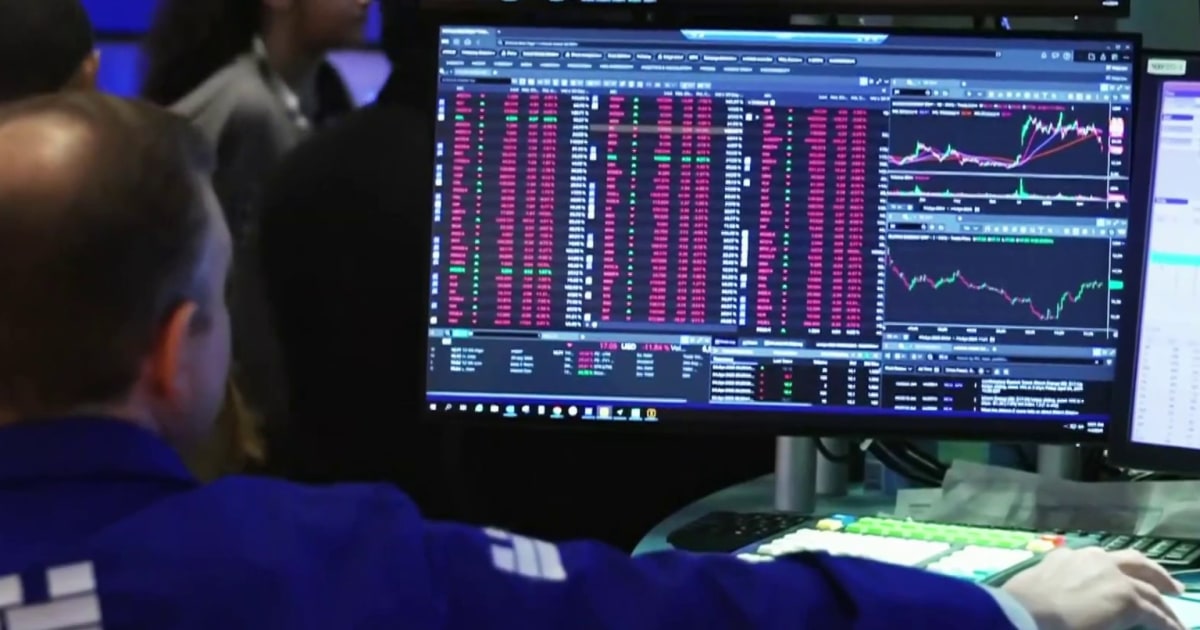
Global markets responded favorably, with the S&P 500 rising 0.8% following the news. Asian supply chains stand to benefit significantly—Taiwanese semiconductor firms and Vietnamese textile exporters anticipate increased orders as U.S. companies restock inventories.
Balancing Inflation Control and Strategic Industries
The administration’s decision reflects a delicate balancing act. With inflation at 3.2% year-over-year, the exemptions aim to reduce input costs that could lower consumer prices. Yet certain sectors remain protected—steel, aluminum, and green energy components retain their tariffs, signaling continued focus on reshoring critical industries.
Data from the Peterson Institute for International Economics suggests the exemptions could reduce inflation by 0.2-0.4 percentage points over the next year. “Targeted tariff relief acts as a pressure valve for specific supply chain bottlenecks,” explained trade analyst Rebecca Morales. “But it’s not a blanket solution—the administration is clearly picking winners.”
What Businesses Need to Know: Compliance and Planning
Companies should prepare for:
- Streamlined exemption processes: The USTR will implement an online portal for exclusion requests starting November 1
- Retroactive refunds: Duties paid on now-exempt products since October 2021 may qualify for reimbursement
- Supply chain audits: Experts recommend reviewing sourcing strategies to maximize savings
Customs and Border Protection will issue guidance within 30 days on refund procedures, with importers advised to maintain detailed duty payment records.
The Road Ahead: Trade Policy’s Evolving Landscape
This move signals a potential shift toward what Trade Representative Tai calls “precision trade policy”—using tariffs as surgical tools rather than blunt instruments. Upcoming negotiations with the EU and UK may follow similar patterns, with exemptions granted in exchange for concessions on digital trade and labor standards.
Looking to 2025, the administration faces pressure to formalize a coherent China trade strategy beyond temporary exemptions. Bipartisan legislation proposing a new “competitive tariff” system—with rates tied to foreign subsidies—could gain traction post-election.
For businesses navigating these changes, staying informed is critical. Subscribe to our trade policy newsletter for real-time updates on tariff adjustments and their operational impacts.
See more CCTV News Daily