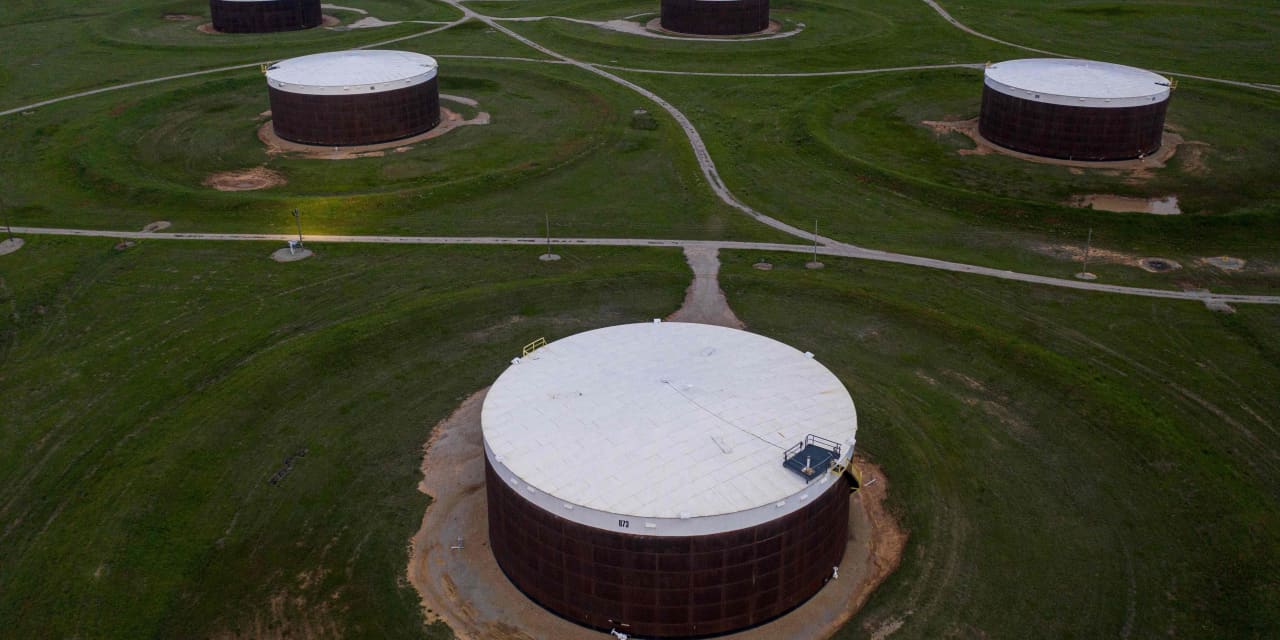
As global oil prices continue to decline, the complexities of the market are drawing attention to the intricate dance between tariffs and OPEC+ production strategies. Industry experts are weighing in on the implications of these developments, shedding light on how they affect not only the oil market but also consumers globally. In this article, we will explore the factors contributing to the recent oil price plunge, the role of tariffs, and the strategic responses from OPEC+ that could shape the future of the oil industry.
The Current State of Oil Prices
Recent months have seen a significant drop in oil prices, with crude oil benchmarks experiencing fluctuations that have left analysts and investors puzzled. The primary factors contributing to this decline include:
- Increased Supply: A surge in oil production, particularly from the U.S. shale industry, has led to an oversupply in the market. This has intensified competition among oil-producing nations and contributed to lower prices.
- Global Economic Slowdown: Economic uncertainties, exacerbated by geopolitical tensions and the lingering effects of the COVID-19 pandemic, have dampened global demand for oil. As economies struggle to regain footing, consumption rates are not keeping pace with production.
- Energy Transition: The global shift towards renewable energy sources is also impacting oil demand. As countries commit to carbon neutrality, investments in alternative energy are increasing, which may lead to a long-term decline in fossil fuel dependence.
With prices plummeting, many stakeholders are grappling with the ramifications. Consumers may see temporary relief at the pump, but the broader implications for the global economy and the oil industry are more profound.
Understanding Tariff Concerns in the Oil Market
Tariffs, or taxes imposed on imported goods, play a crucial role in the international oil trade. As countries navigate complex trade relationships, tariff concerns are rising to the forefront. Here’s how they impact the oil market:
- Trade Relations: Tariffs can strain relationships between oil-exporting and importing nations. For instance, recent tensions between the U.S. and other oil-producing countries have led to discussions around tariffs that could disrupt trade flows.
- Cost Implications: Tariffs can increase the cost of imported oil, which may ultimately be passed on to consumers. Higher costs can stifle demand, exacerbating the existing oversupply situation.
- Investment Uncertainty: Tariff policies can create uncertainty for investors in the oil sector. Companies may hesitate to invest in new projects or expand existing operations if they fear changing tariffs will affect profitability.
In a world where energy independence is increasingly prioritized, tariffs could play a pivotal role in shaping the future of oil consumption and production. The intersection of tariffs and oil prices will continue to be a focal point for policymakers and industry leaders alike.
OPEC+ Strategies in Response to the Oil Price Plunge
In response to the oil price plunge, OPEC+—a coalition of OPEC members and allies, including Russia—has a critical role in stabilizing the market. Their strategies are multifaceted and aim to balance supply and demand effectively. Here’s a closer look at their approach:
- Production Cuts: OPEC+ has historically employed production cuts to manage oil prices. By reducing output, they can help prop up prices, but such decisions require careful coordination and commitment from all member countries. Recent meetings have focused on whether further cuts are necessary to address the current oversupply.
- Monitoring Compliance: Ensuring that all member nations adhere to agreed-upon production levels is essential. Non-compliance can undermine the collective efforts to stabilize prices, leading to market volatility.
- Engaging with Non-OPEC Producers: OPEC+ is also looking to engage with non-OPEC producers to garner a wider consensus on production strategies. This collaborative approach can enhance the effectiveness of their efforts to stabilize the oil market.
The effectiveness of OPEC+ strategies remains a topic of debate among analysts. While some argue that coordinated production cuts can successfully stabilize prices, others point to the challenges posed by non-compliance and the emergence of new production sources outside the OPEC+ framework.
The Broader Implications for Consumers and the Economy
The decline in oil prices, influenced by tariffs and OPEC+ strategies, has significant implications for consumers and the global economy:
- Consumer Benefits: Lower oil prices typically translate to reduced gasoline prices for consumers. This can increase disposable income, allowing families to spend more on other goods and services, potentially stimulating economic growth.
- Investment in Alternatives: As fossil fuel prices fluctuate, investments in renewable energy and technology may become more attractive. A sustained low oil price environment could accelerate the transition towards cleaner energy sources.
- Economic Instability: Conversely, prolonged low oil prices can hurt oil-dependent economies, leading to budget deficits and economic instability. Countries that rely heavily on oil exports may face significant challenges if prices remain low for an extended period.
In summary, navigating the oil price plunge involves a careful consideration of tariff concerns and OPEC+ strategies. While consumers may benefit from lower prices in the short term, the broader implications for the economy and the oil market are complex and multifaceted. It remains to be seen how OPEC+ will respond to these challenges and whether global demand will recover in the face of ongoing economic uncertainties.
Looking Ahead: The Future of Oil Prices
As we look to the future, several factors will be critical in determining the trajectory of oil prices:
- Global Economic Recovery: The pace of global economic recovery post-pandemic will heavily influence oil demand. A robust recovery could lead to increased consumption, driving prices up.
- Technological Advancements: Innovations in energy production and consumption, including improvements in renewable energy technology, could reshape the oil market landscape.
- Geopolitical Developments: Geopolitical tensions and conflicts can disrupt oil supply chains, leading to increased volatility in prices.
In conclusion, the oil price plunge presents both challenges and opportunities. By understanding the interplay of tariffs and OPEC+ strategies, stakeholders can better navigate this complex landscape, ensuring that the oil market adapts to the changing global economic environment. The coming months will be crucial in shaping the future of oil prices, and industry experts will continue to monitor these developments closely.
See more CCTV News Daily