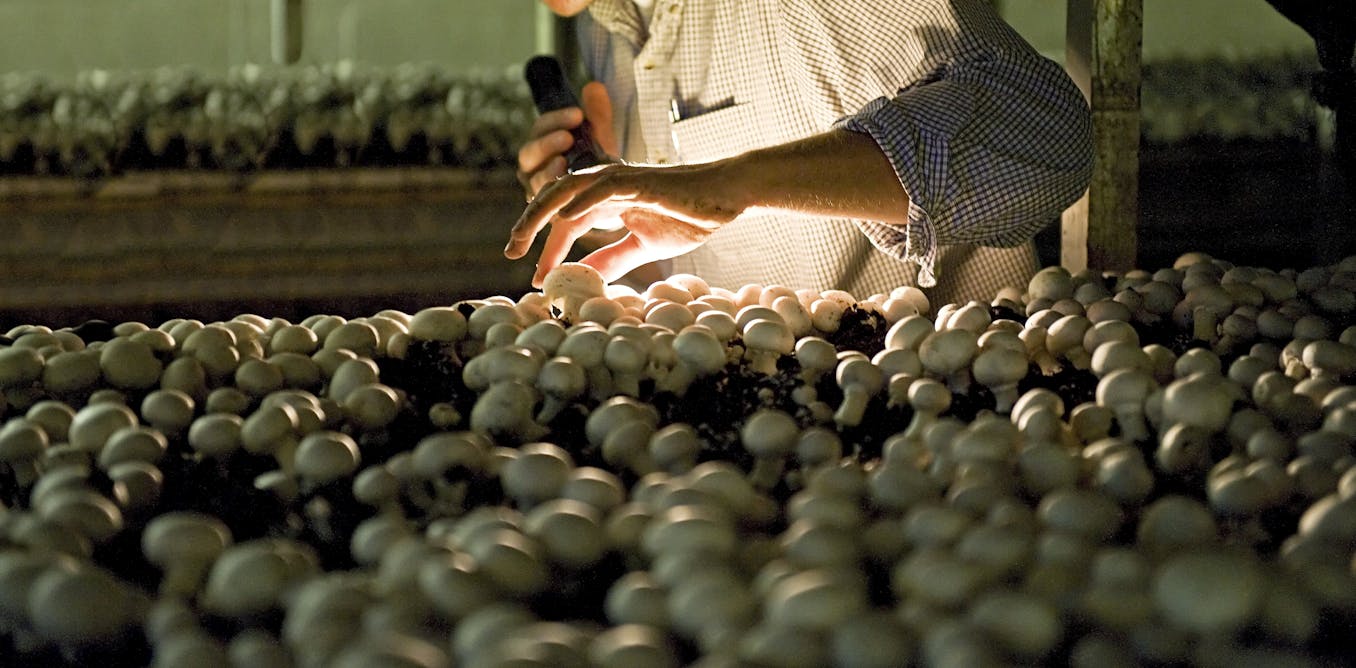
Pennsylvania’s Mushroom Industry in Crisis: Labor Shortages and Immigration Challenges Loom
The mushroom industry in Pennsylvania, a cornerstone of the state’s agricultural economy, is currently facing a significant crisis. The demand for mushrooms has surged, fueled by changing consumer preferences towards plant-based diets and the increasing popularity of gourmet mushrooms. However, this growth is jeopardized by labor shortages and challenging immigration policies that threaten the sustainability of this vital sector.
The Importance of Pennsylvania’s Mushroom Industry
Pennsylvania is the leading mushroom producer in the United States, accounting for over 65% of the nation’s total mushroom production. With more than 100 farms in operation, the industry not only provides fresh produce but also supports thousands of jobs in rural communities. The cultivation of mushrooms, particularly the white button, portabello, and shiitake varieties, requires a skilled labor force capable of managing delicate growing conditions and harvesting techniques.
Current Labor Shortages
The labor shortage in Pennsylvania’s mushroom industry is not a new issue; however, it has been exacerbated in recent years. Many farms rely heavily on immigrant workers, particularly those from Mexico and Central America, who bring essential skills and labor to the field. Yet, changing immigration policies and enforcement have made it increasingly difficult for these workers to enter the U.S. or to feel secure in their jobs.
- According to a report from the Pennsylvania Department of Agriculture, nearly 80% of the labor force in the mushroom industry consists of immigrant workers.
- The tightening of immigration laws has led to increased fear among potential workers, resulting in fewer individuals willing to take the risk of traveling to the U.S. for work.
As a result, many farms are struggling to find enough hands to meet production demands. Some farms have reported losing up to 30% of their workforce, leading to reduced output and increased operational costs. This situation not only affects the farms but also ripples through local economies that depend on the mushroom industry.
Impact of Immigration Policies
Recent shifts in immigration policy have created a complex environment for agricultural workers. The previous administrations’ focus on stricter immigration enforcement has left many farm owners uncertain about the future of their labor supply. This has been a wake-up call for the industry, highlighting the urgent need for comprehensive immigration reform that recognizes the essential role of immigrant labor in agriculture.
With the current administration signaling possible changes, stakeholders are hopeful for a more balanced approach that could alleviate some of the pressures faced by growers. Advocates argue for a streamlined visa process that allows seasonal agricultural workers to contribute to the industry without the fear of deportation or legal repercussions.
Potential Solutions to the Crisis
Addressing the labor shortage and immigration challenges facing Pennsylvania’s mushroom industry will require a multifaceted approach. Here are several potential solutions that stakeholders are advocating:
- Advocacy for Comprehensive Immigration Reform: Engaging with policymakers to push for reforms that create pathways for immigrant workers while ensuring protections for both workers and employers.
- Investment in Automation: While mushrooms are delicate and require careful handling, investing in technology and automation for certain processes could alleviate some labor demands. Innovations in harvesting techniques and climate control could help farms operate more efficiently.
- Educational Programs: Developing training programs aimed at local communities can help build a more skilled workforce while also providing opportunities for residents to enter the agricultural sector.
- Collaboration with Universities: Partnerships with agricultural universities to research and develop new farming practices and technologies could lead to innovative solutions that enhance productivity and sustainability.
Community and Economic Implications
The implications of the labor shortage extend beyond the farms themselves. Local economies in Pennsylvania, particularly in Chester County, which is at the heart of the state’s mushroom production, are feeling the strain. When farms struggle, local businesses, such as supply shops and service providers, also suffer. Furthermore, the loss of jobs and economic activity can lead to a decline in community resources and infrastructure.
Conversely, solutions that stabilize the labor force can invigorate local economies. By ensuring that farms have consistent access to labor, they can maintain production levels, which in turn supports jobs, stimulates local businesses, and fosters community growth.
The Future of Pennsylvania’s Mushroom Industry
Despite the current challenges, there remains a sense of optimism among stakeholders in Pennsylvania’s mushroom industry. Many are actively seeking solutions and collaborating to ensure the sustainability of this vital sector. The focus on developing comprehensive immigration policies that support labor needs, alongside innovative agricultural practices, could pave the way for a more resilient industry.
Additionally, as consumer demand for mushrooms continues to grow, there is potential for expanding markets both domestically and internationally. Entrepreneurs within the industry are exploring value-added products, such as mushroom powders and specialty items, broadening their revenue streams and reducing dependency on traditional market fluctuations.
Conclusion
In summary, Pennsylvania’s mushroom industry is indeed facing a crisis due to labor shortages and immigration challenges. However, this situation also presents an opportunity for transformative change. By advocating for policy reform, investing in technology, and fostering community involvement, stakeholders can work together to ensure that Pennsylvania’s mushroom industry not only survives but thrives in the future. The resilience of this sector is crucial not only for agricultural diversity but also for the economic health of the communities it supports. With the right strategies in place, the future can still be bright for Pennsylvania’s mushrooms.
See more CCTV News Daily