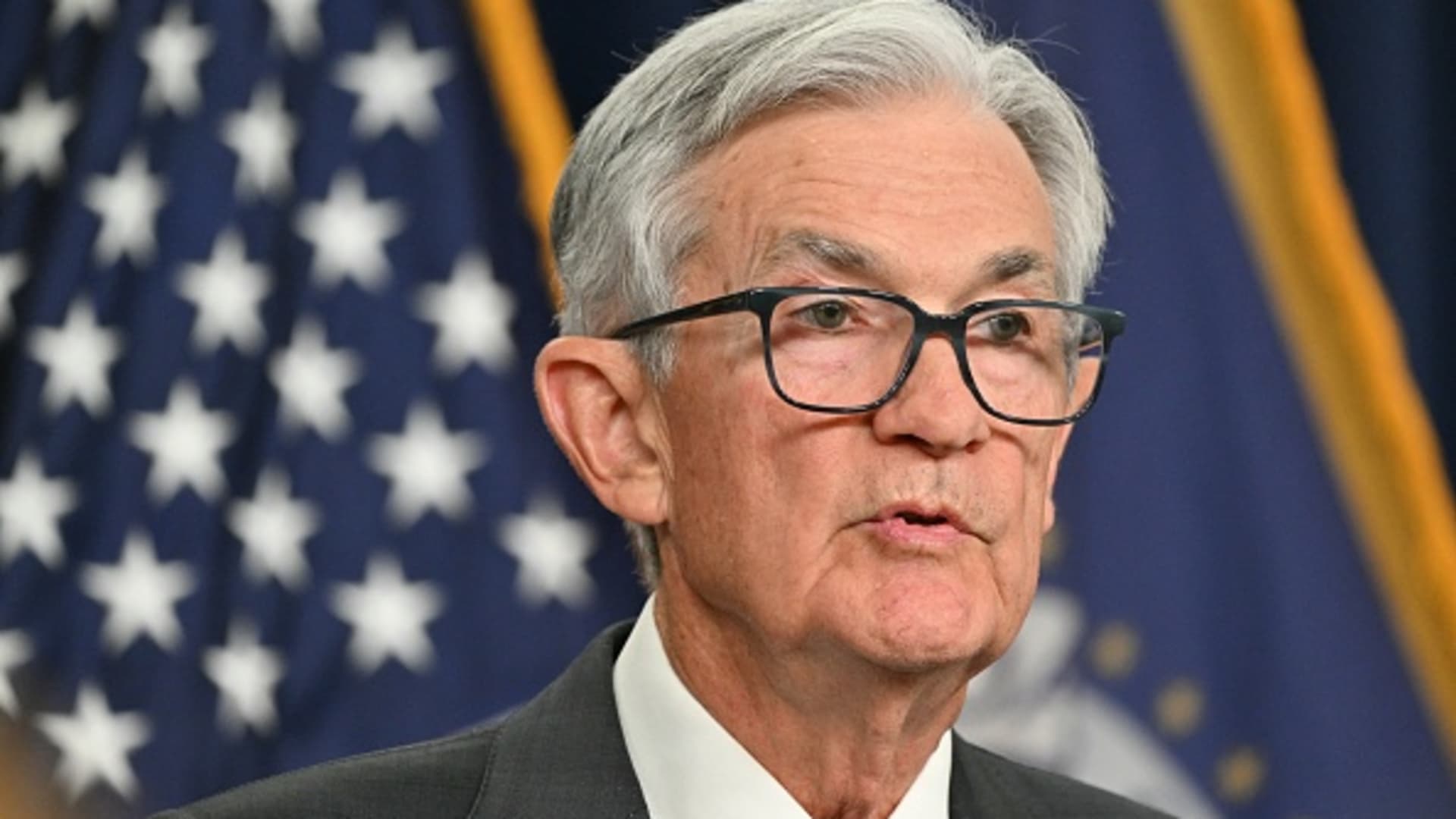
Powell Warns of Inflation Surge from Tariffs as Fed Adopts Cautious Stance
Federal Reserve Chair Jerome Powell cautioned this week that escalating tariffs could trigger a new wave of inflation, complicating the central bank’s approach to interest rates. Speaking at a policy forum in Washington on Wednesday, Powell emphasized the need for vigilance as trade restrictions threaten to reverse recent progress on price stability. The Fed maintained its benchmark rate at 5.25%-5.5% while signaling fewer cuts than previously anticipated this year.
The Tariff-Inflation Connection
Powell’s remarks highlighted growing concerns among economists that new trade barriers could add 0.5-1.5 percentage points to inflation over the next 18 months. Recent research from the Peterson Institute for International Economics suggests every 10% increase in tariffs raises consumer prices by 0.7% on average. With the U.S. considering sweeping tariffs on Chinese electric vehicles (currently at 27.5%) and other imports, analysts warn the policy shift could:
- Increase production costs for domestic manufacturers
- Reduce competitive pricing pressure in key sectors
- Disrupt established supply chains
“Tariffs function like a regressive tax,” explained Dr. Lila Chen, senior fellow at the Brookings Institution. “When applied broadly, they create price pressures that ripple through the entire economy—from factory inputs to grocery shelves.”
Fed’s Delicate Balancing Act
The central bank now faces competing pressures as inflation remains stubbornly above its 2% target. While the Personal Consumption Expenditures (PCE) price index—the Fed’s preferred gauge—showed a 2.7% annual increase in March, core inflation has proven particularly persistent. Powell stressed that policymakers need “greater confidence” before considering rate reductions.
Market reactions were immediate, with:
- The 10-year Treasury yield climbing 12 basis points to 4.61%
- Futures markets pricing in just one rate cut for 2024
- The dollar index rising 0.8% against major currencies
“The Fed is caught between the rock of sticky inflation and the hard place of slowing growth,” noted Michael Reynolds, investment strategist at Glenmede. “Their revised dot plot suggests they’re prioritizing price stability over economic stimulation.”
Economic Ripples from Trade Policy Shifts
The Biden administration’s recent tariff announcements—including 100% duties on Chinese EVs and 50% on solar components—could accelerate price increases in multiple sectors. A White House analysis projects these measures will protect 14 million U.S. manufacturing jobs, but independent economists warn of collateral damage:
| Sector | Projected Price Impact | Timeframe |
|---|---|---|
| Automotive | +3-5% | 12-18 months |
| Renewable Energy | +8-12% | 6-24 months |
| Consumer Electronics | +2-4% | 9-15 months |
Divergent Views on Policy Approach
While protectionist policies enjoy bipartisan political support, economists remain divided. Proponents argue tariffs safeguard national security and promote domestic industry. Critics counter that consumers ultimately bear the costs through higher prices and reduced product availability.
“This isn’t the 1980s,” argued Commerce Secretary Gina Raimondo. “Strategic tariffs help level the playing field against unfair trade practices while rebuilding critical industries.” Conversely, Harvard economist Jason Furman tweeted: “Tariffs are inflation in disguise—they tax the many to benefit the few while inviting retaliatory measures.”
What Comes Next for Monetary Policy?
The Fed’s updated projections suggest a prolonged period of restrictive rates, with the median policymaker now anticipating just one 25-basis-point cut this year. This marks a significant shift from December’s forecast of three reductions. Key factors influencing future decisions include:
- Core PCE inflation trends through Q3
- Labor market conditions (current unemployment: 3.9%)
- Q2 GDP growth (projected at 1.8% annualized)
- Global commodity price movements
Powell emphasized the Fed would “respond appropriately” to economic developments but ruled out speculative timeline commitments. “We have the luxury of waiting for convincing evidence,” he stated, underscoring the central bank’s data-dependent approach.
Preparing for Economic Uncertainty
Business leaders are adjusting strategies amid the shifting landscape. Many corporations are:
- Diversifying supply chains beyond China
- Increasing inventory buffers
- Exploring nearshoring opportunities
“The new economic reality requires flexibility,” said Amazon CFO Brian Olsavsky during an earnings call. “We’re seeing cost pressures across multiple categories and are adjusting procurement strategies accordingly.”
For consumers, the implications are more immediate. WalletHub analysis shows the average household could spend $1,200 more annually if current tariff proposals take full effect—a burden falling disproportionately on lower-income families who spend larger shares of their budgets on affected goods.
The Road Ahead: Inflation Watch Continues
As policymakers navigate these crosscurrents, most analysts agree the inflation fight has entered a new phase. The coming months will test whether the economy can achieve the elusive “soft landing”—slowing inflation without triggering recession. Key indicators to watch include:
- June’s CPI report (release date: July 11)
- Q2 earnings guidance from major retailers
- Global oil price trends amid Middle East tensions
With the next Fed meeting scheduled for July 30-31, investors will scrutinize every economic data point for clues about the central bank’s next move. As Powell cautioned: “The path forward remains uncertain—we’re prepared for all scenarios.” For businesses and households alike, staying informed and adaptable will be essential in navigating these economic headwinds.
Stay updated on Federal Reserve policy changes by subscribing to our economic newsletter—get expert analysis delivered straight to your inbox.
See more CCTV News Daily