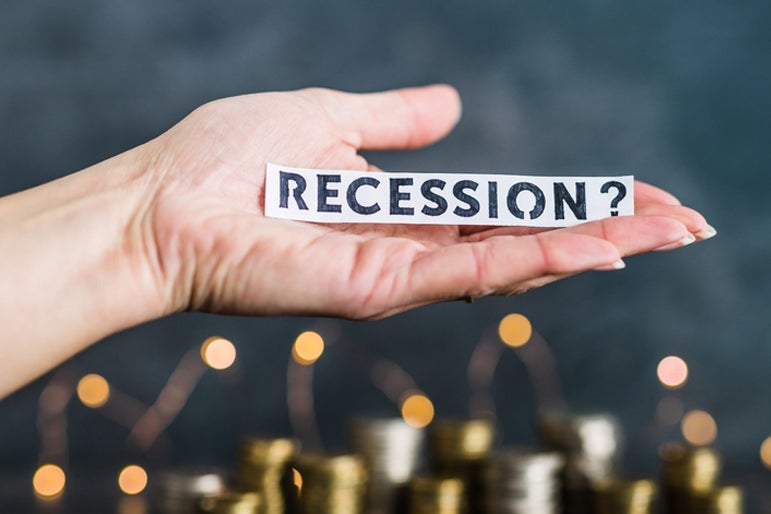
Economic Expert Predicts Impending Recession: Understanding the Forecast
A leading economist has recently made waves in the financial community by forecasting a potential recession as early as July. This prediction comes with a caveat—two anticipated rate cuts in 2025 that could reshape the landscape of investment and borrowing. The implications of this forecast are significant, prompting investors to consider strategic bond purchases amid these changing economic conditions. In this article, we will delve into the nuances of this prediction, explore the factors contributing to the anticipated recession, and outline strategies for navigating this uncertain economic terrain.
The Current Economic Landscape
The backdrop against which this recession prediction is made is complex and multifaceted. As we navigate through 2023, several economic indicators suggest that the growth trajectory may be slowing. The Federal Reserve’s policies, inflation rates, and consumer confidence levels play critical roles in shaping market expectations.
Inflation Trends and Monetary Policy
One of the most significant factors influencing the economy is inflation. Over the past few years, inflation rates have soared, driven by supply chain disruptions, rising energy costs, and increased consumer demand. The Federal Reserve has responded by tightening monetary policy, raising interest rates in a bid to curb inflation. However, these measures may have unintended consequences.
Higher interest rates can dampen economic growth by increasing borrowing costs for consumers and businesses. This, in turn, can lead to reduced spending and investment, potentially triggering a recession. The economist’s prediction suggests that the time for these effects to materialize may be approaching, with July being a crucial month to watch.
Consumer Confidence and Spending
Consumer confidence is another critical component of economic health. When consumers feel secure in their jobs and the economy, they are more likely to spend. However, recent surveys indicate a decline in consumer sentiment, as individuals grapple with rising prices and economic uncertainty. A decrease in consumer spending can exacerbate economic slowdowns, as businesses may respond by cutting back on production and investment.
Global Economic Factors
The interconnectedness of the global economy also plays a role in influencing domestic conditions. Geopolitical tensions, trade disputes, and crises in major economies can have ripple effects that impact growth rates worldwide. For instance, uncertainties stemming from international relations or fluctuations in commodity prices can lead to volatility in the markets, further complicating the economic outlook.
Projected Rate Cuts: What They Mean for Investors
As we look ahead to 2025, the economist’s forecast includes two anticipated rate cuts. While this might seem counterintuitive in light of a potential recession, rate cuts are often employed by central banks to stimulate economic activity during downturns. Lowering interest rates can encourage borrowing and spending, providing much-needed relief to struggling sectors.
Strategic Bond Purchases
In response to these predictions, investors are advised to consider strategic bond purchases. Bonds can serve as a relatively stable investment during times of economic uncertainty. Here’s why:
- Steady Income: Bonds typically provide regular interest payments, which can offer a reliable income stream, especially in volatile markets.
- Capital Preservation: Unlike stocks, bonds are generally less volatile, making them a safer haven during economic downturns.
- Diversification: Incorporating bonds into an investment portfolio can reduce overall risk and enhance returns during market fluctuations.
Choosing the Right Bonds
When considering bond investments, it’s essential to evaluate the types of bonds that may be most beneficial in the current climate:
- Government Bonds: These are typically viewed as the safest investment since they are backed by the government. They are likely to perform well in a recessionary environment.
- Corporate Bonds: While riskier than government bonds, high-quality corporate bonds can provide higher yields and may be an attractive option if the economy stabilizes.
- Muni Bonds: Municipal bonds can offer tax-exempt income and are generally considered safe investments, especially in uncertain times.
Preparing for Economic Shifts
As investors brace for the potential recession and the accompanying rate cuts, it’s crucial to adopt a proactive approach. Here are some strategies to consider:
Maintain a Balanced Portfolio
A well-diversified portfolio can help mitigate risks associated with economic downturns. Including a mix of asset classes, such as stocks, bonds, real estate, and cash, can provide stability and potential growth opportunities.
Stay Informed
Keeping abreast of economic news and trends is vital. Understanding the factors influencing the economy can help investors make informed decisions about their portfolios. Following reputable financial news sources and engaging with market analysts can provide valuable insights.
Consult with Financial Advisors
Professional financial advisors can offer tailored advice based on individual circumstances. They can help investors navigate market uncertainties and develop strategies that align with their financial goals.
The Silver Lining: Opportunities Amid Challenges
While the prospect of a recession may seem daunting, it’s important to recognize that such environments can also present unique opportunities. History has shown that some of the most successful investors thrive during downturns by identifying undervalued assets and making strategic moves.
Moreover, rate cuts, when enacted, can lead to increased economic activity over time. Lower borrowing costs can spur investment and consumer spending, fostering a recovery that benefits a wide array of sectors.
In conclusion, the economic expert’s prediction of an impending recession coupled with expected rate cuts in 2025 serves as a clarion call for investors. By understanding the current economic landscape, considering strategic bond purchases, and preparing for shifts in the market, individuals can position themselves to weather the storm and emerge stronger on the other side. Embracing these challenges with a proactive and informed approach can lead to opportunities that may not be immediately apparent, ultimately paving the way for future financial success.
See more CCTV News Daily