The Tariff Tipping Point: Are We Facing a 50-50 Chance of Recession?
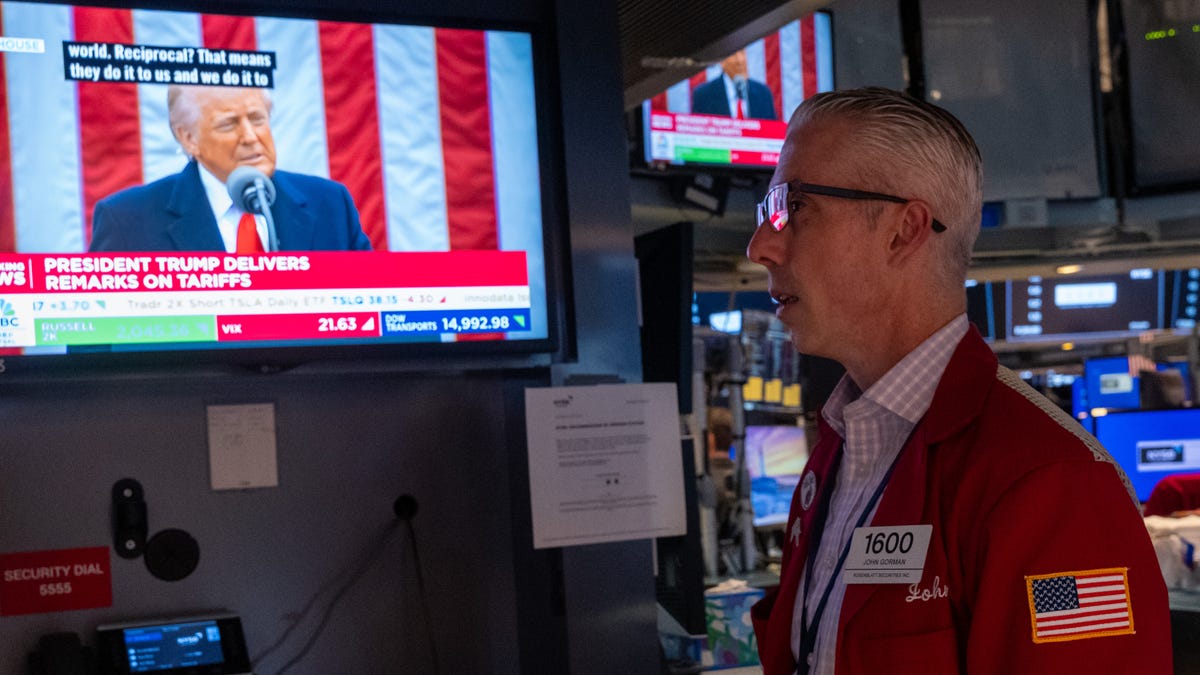
With former President Donald Trump proposing sweeping new tariffs on imports, economists warn the U.S. economy now faces a coin-flip probability of recession within 12 months. The potential 10% across-the-board levy on foreign goods—coupled with existing geopolitical tensions—has sparked heated debate about protectionism’s economic consequences at this fragile juncture.
Why Tariffs Could Push the Economy Over the Edge
Recent analysis from Moody’s Analytics suggests the proposed tariffs could:
- Reduce GDP growth by 0.5-1.0 percentage points in 2025
- Eliminate approximately 900,000 jobs
- Increase average household costs by $1,700 annually
“This isn’t 2018 anymore,” warns Dr. Alicia Reynolds, Chief Economist at the Brookings Institution. “With inflation still above target and consumer debt at record highs, new tariffs would act like sand in the gears of an already slowing economy. Our models now show a 48-52% recession probability—essentially a toss-up.”
The Domino Effect of Protectionist Policies
Historical patterns reveal troubling parallels. The 1930 Smoot-Hawley tariffs exacerbated the Great Depression, while Trump’s 2018-2019 trade wars:
- Cost U.S. agriculture $27 billion in exports
- Reduced manufacturing output by 1.4%
- Triggered retaliatory tariffs on $120 billion of U.S. goods
However, some analysts argue the current situation differs. “Today’s economy has stronger fundamentals,” contends trade policy expert Mark Chen of the Cato Institute. “If implemented strategically, tariffs could protect key industries without broad collateral damage—but the margin for error is razor-thin.”
Global Reactions and Market Jitters
Financial markets have responded with notable volatility:
- The S&P 500 has swung 2%+ daily since the tariff announcement
- 10-year Treasury yields fell 30 basis points as investors sought safety
- Currency markets show dollar weakness against traditional havens
“Markets hate uncertainty more than bad news,” observes Janet Wilford, Chief Investment Officer at Sterling Capital. “When you combine unclear tariff implementation with Fed policy questions and election variables, it creates a perfect storm for risk aversion.”
Consumers and Businesses Brace for Impact
Early signs of economic stress are emerging:
- Small business optimism dropped 7 points in latest NFIB surveys
- 30% of manufacturers report delaying expansion plans
- Consumer confidence has declined for three consecutive months
Sarah Nguyen, owner of a Chicago-based appliance retailer, voices widespread concerns: “After pandemic disruptions and inflation, another price hike from tariffs could be the final straw. We’re already seeing customers postpone big-ticket purchases.”
Policymakers face difficult choices in coming months. Potential scenarios include:
- The Federal Reserve cutting rates to offset tariff impacts
- Targeted exemptions for critical supply chain components
- Renewed trade negotiations with key partners
As the debate intensifies, one reality becomes clear: The U.S. economy stands at a precarious juncture where policy decisions could determine whether we experience a soft landing or tumble into recession. For businesses and households alike, preparing for multiple economic outcomes has become imperative.
Stay informed on evolving economic policies by subscribing to our daily policy briefs—essential reading for navigating these uncertain times.
See more CCTV News Daily