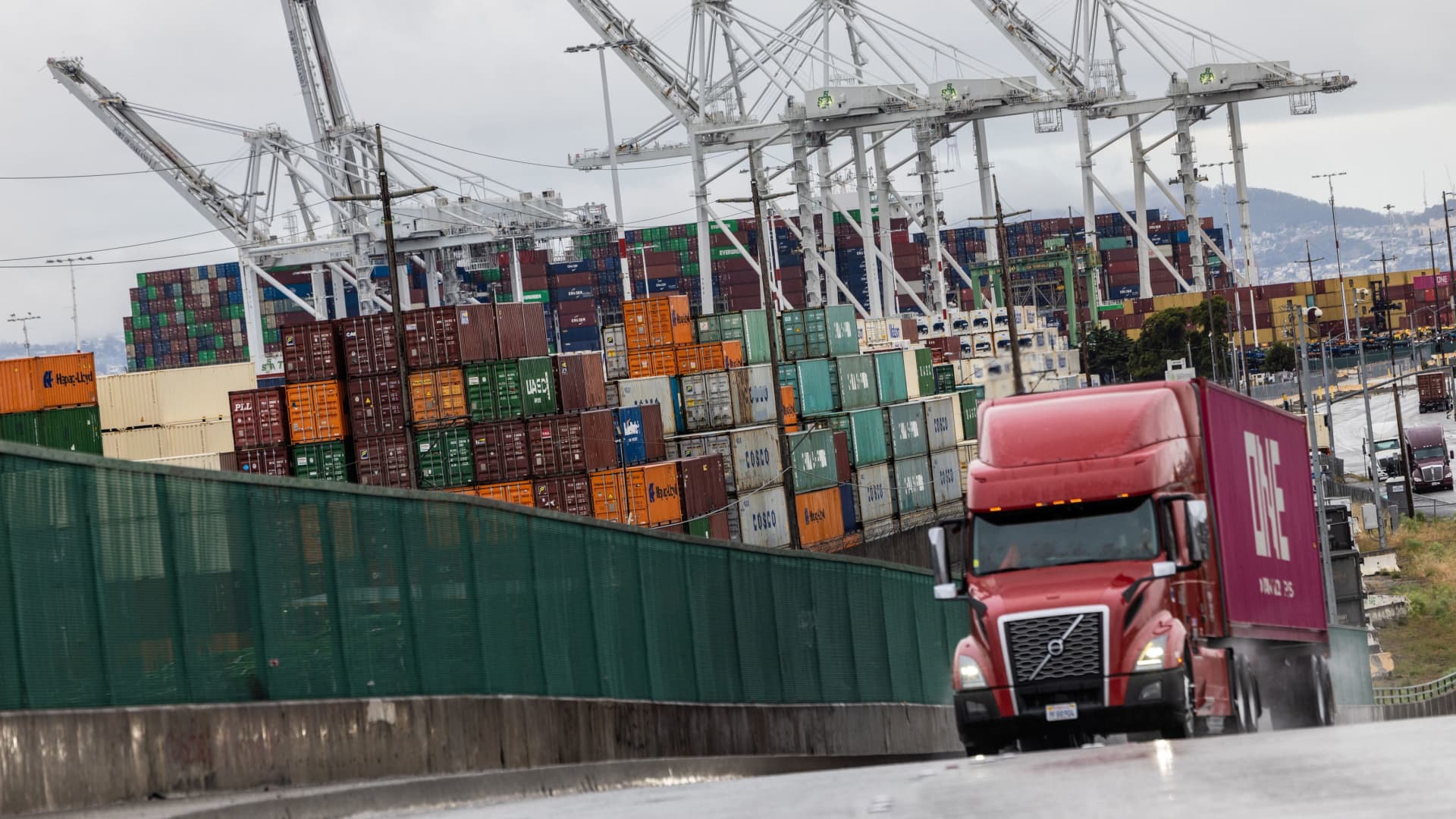
Record Tariff Revenues Surge to $16 Billion: A Game Changer for the Budget Deficit
In April 2024, the U.S. government collected an unprecedented $16 billion in tariff revenues, marking a historic high and significantly reducing the federal budget deficit. The surge, driven by heightened trade activity and stricter enforcement of import duties, has ignited debates about the long-term impact on trade policies, consumer prices, and economic stability. Analysts suggest this windfall could reshape fiscal strategies amid growing geopolitical tensions.
Unprecedented Revenue Growth Defies Expectations
The $16 billion tariff haul represents a 27% year-over-year increase, according to the U.S. Treasury Department. This spike follows a combination of factors:
- Expanded tariffs on Chinese imports: Section 301 duties on electronics, steel, and renewable energy components contributed nearly 40% of the total.
- Increased import volumes: Despite higher costs, U.S. businesses imported 6% more goods than in 2023, partly due to inventory rebuilding.
- Enforcement crackdowns: Customs and Border Protection reported a 15% rise in duty collections from previously undervalued shipments.
“This isn’t just about trade wars—it’s a perfect storm of compliance efforts and global supply chain shifts,” remarked Dr. Elena Torres, a senior fellow at the Peterson Institute for International Economics. “The question is whether this revenue stream is sustainable or if it will trigger inflationary pushback.”
Impact on the Budget Deficit and Fiscal Policy
The tariff windfall has provided temporary relief to the federal budget, which faced a $1.2 trillion deficit in Q1 2024. The Congressional Budget Office estimates that if the current pace continues, tariffs could offset 8-12% of this year’s projected deficit. However, economists warn against over-optimism:
- Short-term vs. long-term effects: While April’s revenues are notable, they represent just 3.5% of total federal receipts.
- Consumer cost concerns: The National Retail Federation estimates tariffs add $1,200 annually to average household expenses.
“Tariffs function as hidden taxes,” argued Michael Chen, an economist at the Brookings Institution. “The revenue looks impressive until you realize American consumers and businesses are footing the bill through higher prices.”
Trade Policy Crossroads: Protectionism or Pragmatism?
The Biden administration faces mounting pressure from conflicting interests. While manufacturers like the United Steelworkers Union praise tariffs for “leveling the playing field,” retailers and agriculture exporters warn of retaliatory measures. Key developments include:
- EU negotiations: Talks to resolve steel/aluminum disputes could reduce some tariffs by July.
- China’s response: Beijing has threatened to hike duties on U.S. agricultural exports by 25%.
Trade Representative Katherine Tai recently stated, “Our approach balances economic security with fair competition,” signaling no immediate policy shifts. Meanwhile, the WTO has raised concerns about compliance with global trade rules.
Future Outlook: Sustainability and Strategic Shifts
Experts identify three potential scenarios moving forward:
- Status quo: Tariffs remain stable, generating $150-$180 billion annually but straining trade relationships.
- Escalation: New tariffs on EVs and semiconductors spark broader trade conflicts.
- Negotiated rollbacks: Diplomatic breakthroughs lead to selective reductions.
Market analysts also note that April’s surge may partly reflect front-loaded imports ahead of anticipated policy changes. “Many businesses accelerated orders to avoid future uncertainty,” noted supply chain expert Priya Malik.
Conclusion: A Double-Edged Sword for Economic Strategy
While record tariff revenues offer short-term fiscal relief, they underscore deeper tensions between protectionism and free trade. As Congress debates the reauthorization of trade promotion authority this fall, stakeholders across industries are preparing for potential upheavals. For policymakers, the challenge lies in balancing immediate revenue needs against long-term competitiveness.
For ongoing analysis of trade policy impacts, subscribe to our weekly economic briefing or attend our May 30 webinar featuring Treasury Department officials.
See more CCTV News Daily