Robert Kiyosaki’s Bold Prediction: Tariffs May Do More Harm Than Good
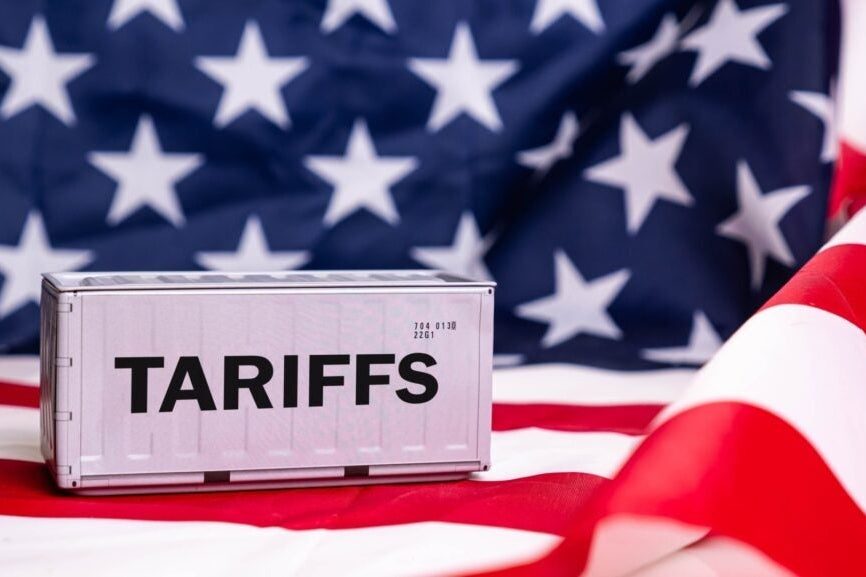
Financial guru Robert Kiyosaki, author of Rich Dad Poor Dad, has ignited debate by warning that tariffs could backfire, worsening inflation while threatening jobs and wage growth. Speaking on his podcast this week, the investor challenged mainstream economic policies, arguing that protectionist trade measures may ultimately strain consumers and businesses. His analysis comes as global trade tensions escalate and policymakers weigh the costs of import taxes.
The Inflationary Impact of Tariffs
Kiyosaki contends that tariffs function as hidden taxes on consumers, driving up prices for imported goods and domestic alternatives. “When you slap a 20% tariff on foreign steel, that cost doesn’t vanish—it gets passed to automakers, then to car buyers,” he explained. Data from the Peterson Institute for International Economics supports this: their 2023 study found U.S. tariffs on Chinese goods raised consumer prices by 1.3% annually, disproportionately affecting low-income households.
Key inflationary mechanisms include:
- Supply chain disruptions: Tariffs force companies to seek new suppliers, often at higher costs
- Retaliatory measures: Trading partners impose counter-tariffs, as seen in the 2018 U.S.-China trade war
- Reduced competition: Domestic producers face less pressure to keep prices competitive
Employment and Wage Concerns
While tariffs aim to protect domestic industries, Kiyosaki warns they may undermine the very jobs they intend to save. A 2022 U.S. International Trade Commission report revealed that steel and aluminum tariffs saved 16,400 metal jobs but cost 75,000 positions in downstream industries like automotive manufacturing. “You can’t prop up one sector while strangling another and call it a win,” Kiyosaki remarked.
Labor economist Dr. Elena Rodriguez of Georgetown University offers a nuanced perspective: “Tariffs create concentrated benefits for specific worker groups but diffuse costs across the broader economy. The net effect often resembles robbing Peter to pay Paul.” Wage stagnation compounds the issue—when companies absorb higher input costs, they frequently freeze pay increases.
Historical Precedents and Modern Parallels
The Smoot-Hawley Tariff Act of 1930 provides a cautionary tale. Intended to shield American farmers, the legislation triggered retaliatory tariffs that reduced U.S. exports by 61% within two years, exacerbating the Great Depression. Modern parallels emerge in recent EU tariffs on Chinese electric vehicles, which analysts fear may slow Europe’s green transition by making affordable EVs prohibitively expensive.
However, proponents argue strategic tariffs can be effective. “Targeted protection for nascent industries, like semiconductors, is essential for national security,” contends trade policy expert Mark Henderson. “The challenge lies in distinguishing between knee-jerk protectionism and calculated industrial policy.”
Alternative Strategies for Economic Resilience
Kiyosaki advocates for investment in workforce development and technology over trade barriers. He points to Germany’s dual education system, which combines apprenticeships with vocational schooling, as a model for creating globally competitive industries without isolationism. Other alternatives include:
- Tax incentives for R&D and domestic production
- Public-private partnerships to modernize infrastructure
- Currency agreement negotiations to address trade imbalances
South Korea’s approach illustrates this well—after reducing reliance on tariffs in the 1990s, the country invested heavily in education and technology, transforming into a high-tech export powerhouse.
The Road Ahead: Policy Implications
As governments grapple with slowing growth and geopolitical tensions, Kiyosaki’s warnings highlight the need for nuanced solutions. The World Trade Organization forecasts global trade growth will slow to 1.7% in 2024, down from 2.7% in 2023, suggesting the timing of new tariffs could prove particularly damaging.
Policymakers face tough choices between short-term political wins and long-term economic health. “The easy answer is rarely the right one in economics,” Kiyosaki concludes. “True prosperity requires thinking beyond quick fixes to systemic solutions.” Readers concerned about these issues can track real-time tariff impacts through the U.S. International Trade Commission’s interactive trade databases.
See more CCTV News Daily